Category: Health - Page 2
-
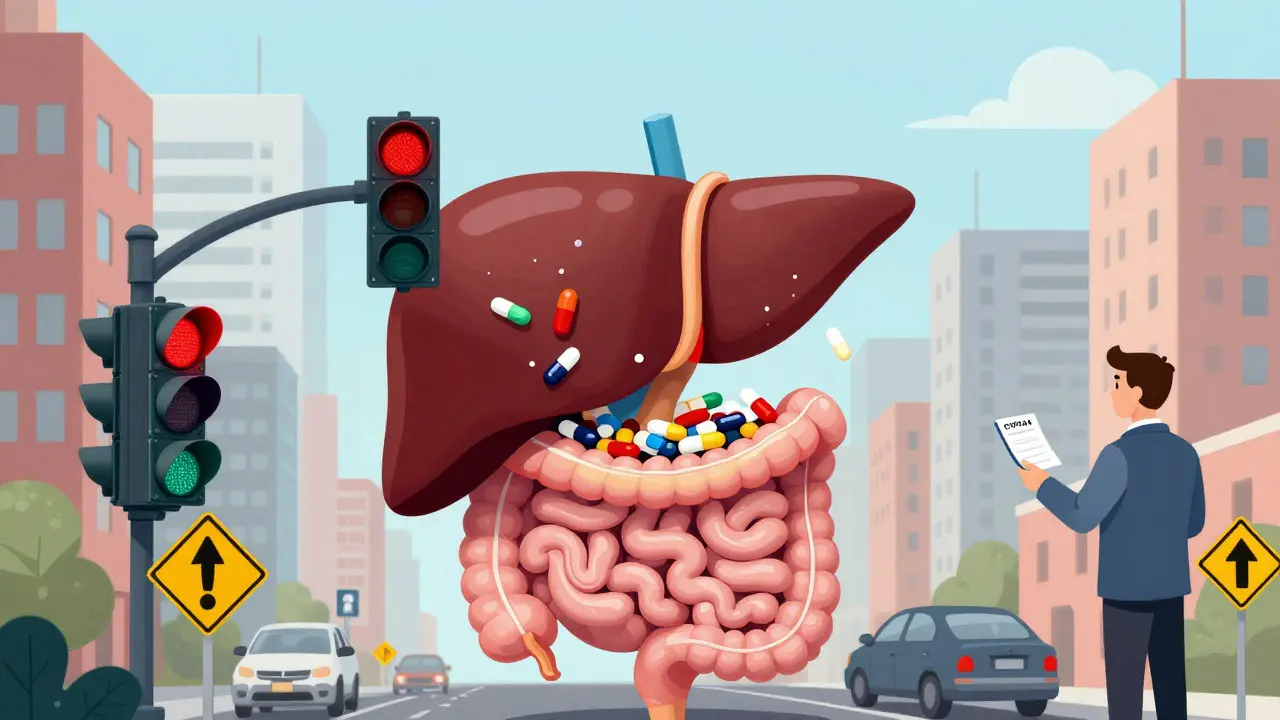
Cyclosporine and Drug Interactions: How CYP3A4 Inhibition Affects Your Medications
Cyclosporine is a life-saving immunosuppressant, but its inhibition of the CYP3A4 enzyme can cause dangerous drug interactions. Learn which medications to avoid, how genetics play a role, and what steps to take to stay safe.
-
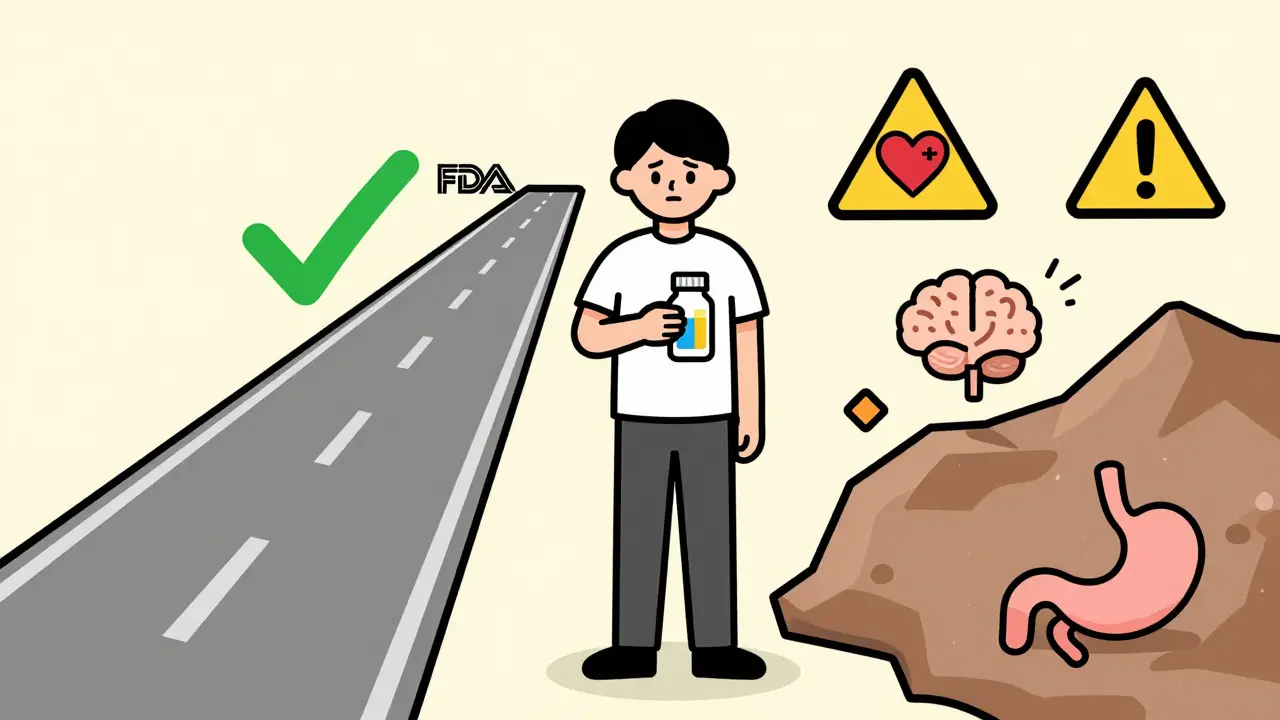
Side Effects After Switching to Generics: When to Worry and How to Stay Safe
Switching to generic medications is usually safe, but for certain drugs like thyroid meds or blood thinners, side effects can occur. Learn which medications pose risks, symptoms to watch for, and steps to protect yourself. Real-world data shows some patients experience serious issues after switching. Here's what you need to know to stay safe.
-
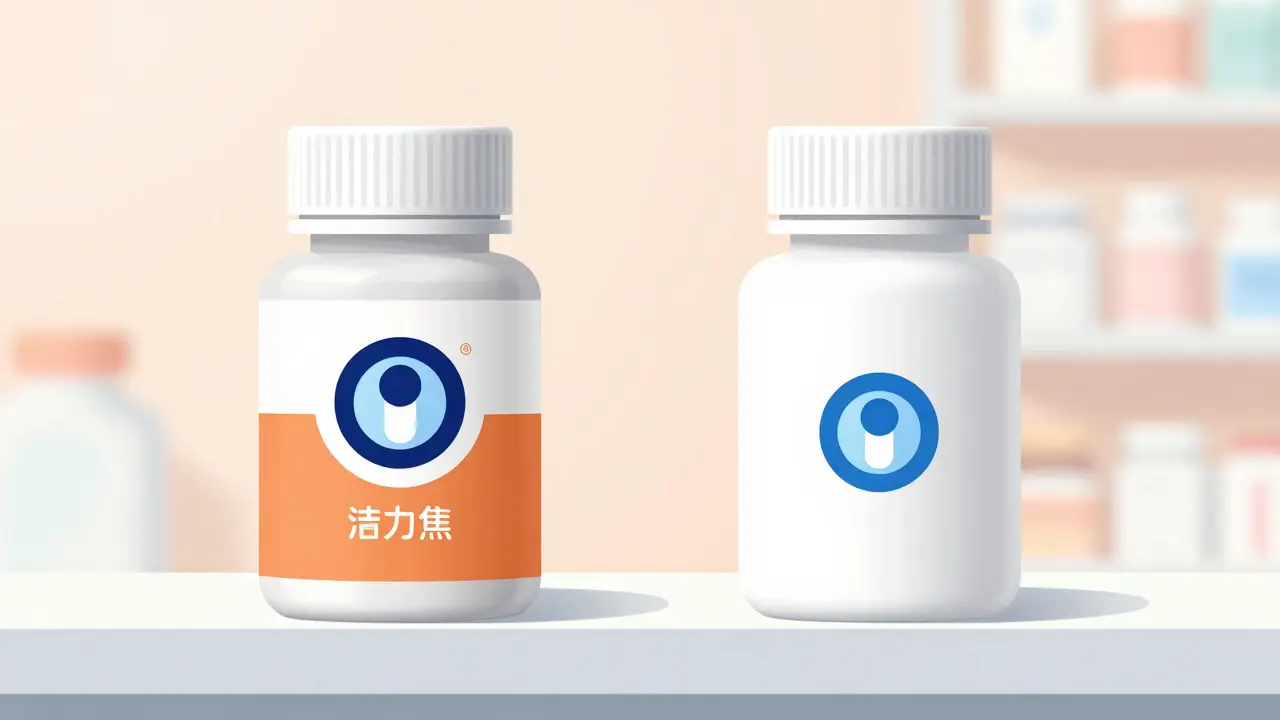
Switching to Authorized Generics: A Patient's Guide to Safe Medication Transitions
Discover how authorized generics work, their safety advantages over regular generics, and practical steps to manage medication switches safely. Includes real data on cost savings, insurance tips, and patient experiences.
-
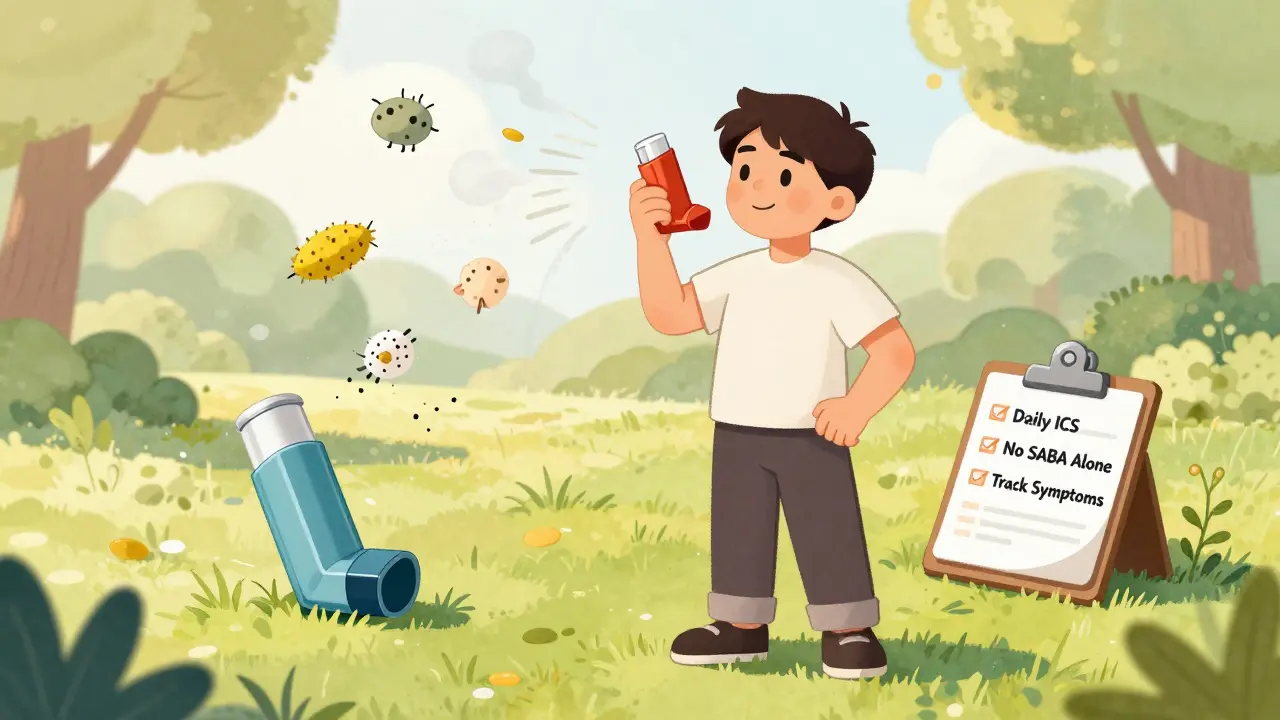
Asthma Control: Mastering Inhaler Use, Avoiding Triggers, and Long-Term Management
Learn how to properly use inhalers, avoid common asthma triggers, and follow the latest 2025 guidelines for long-term asthma control-without relying on blue rescue inhalers alone.
-
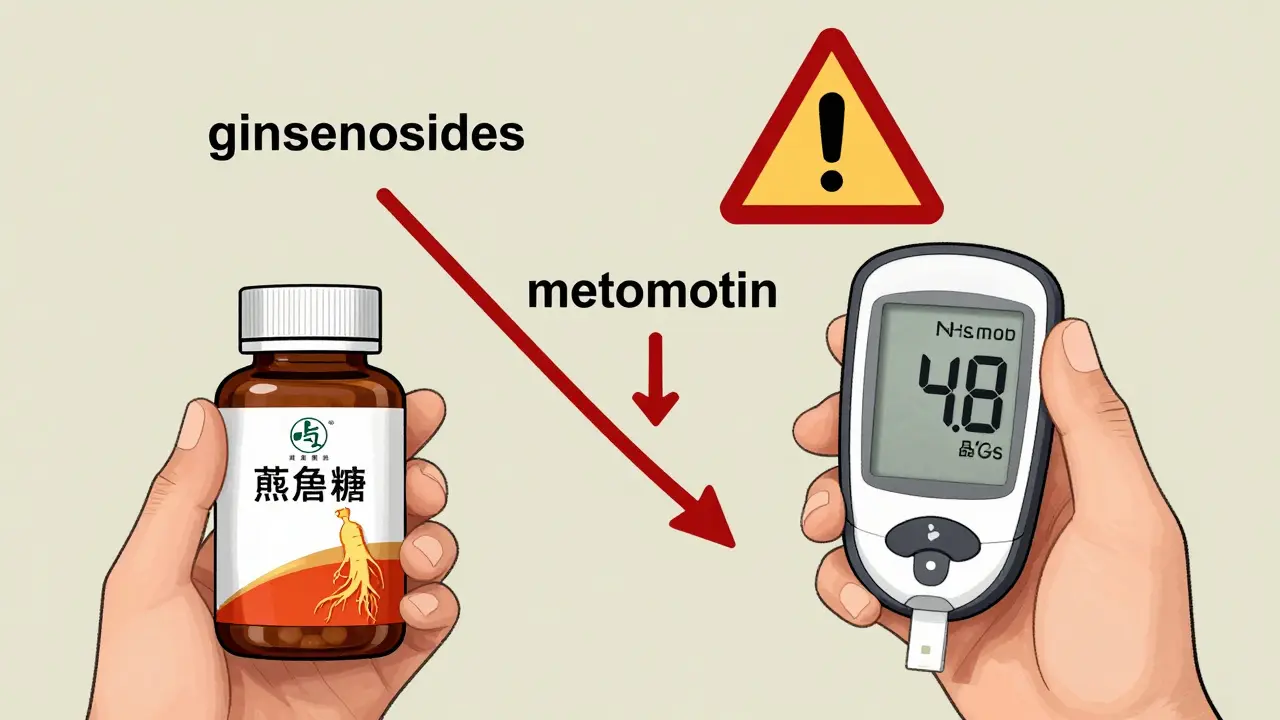
Ginseng and Diabetes Medications: What You Need to Know About Blood Sugar Risks
Ginseng may help lower blood sugar in type 2 diabetes, but it can dangerously interact with insulin and oral meds. Learn the risks, signs of low blood sugar, and what to do before taking it.
-
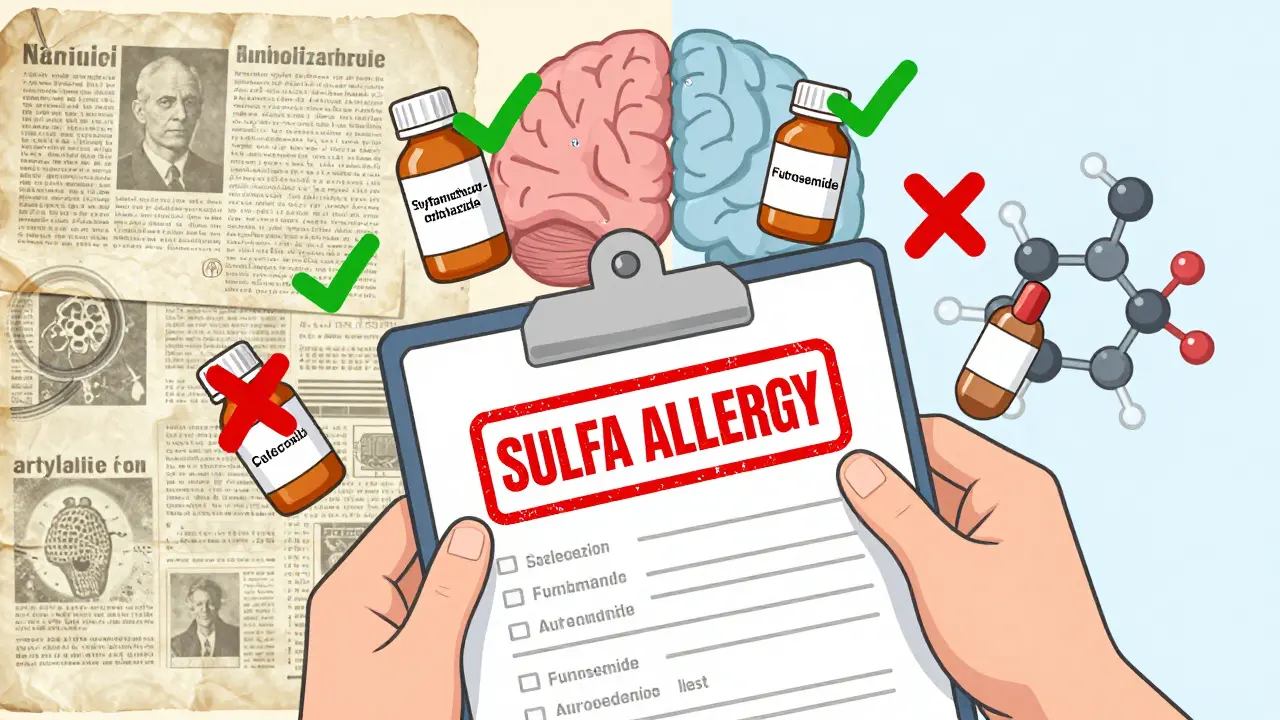
Sulfonamide Allergies and Cross-Reactivity: What Medications to Avoid
Most people with a "sulfa allergy" aren't truly allergic. Learn which drugs you can safely take, which to avoid, and how mislabeling harms your health and fuels antibiotic resistance.
-
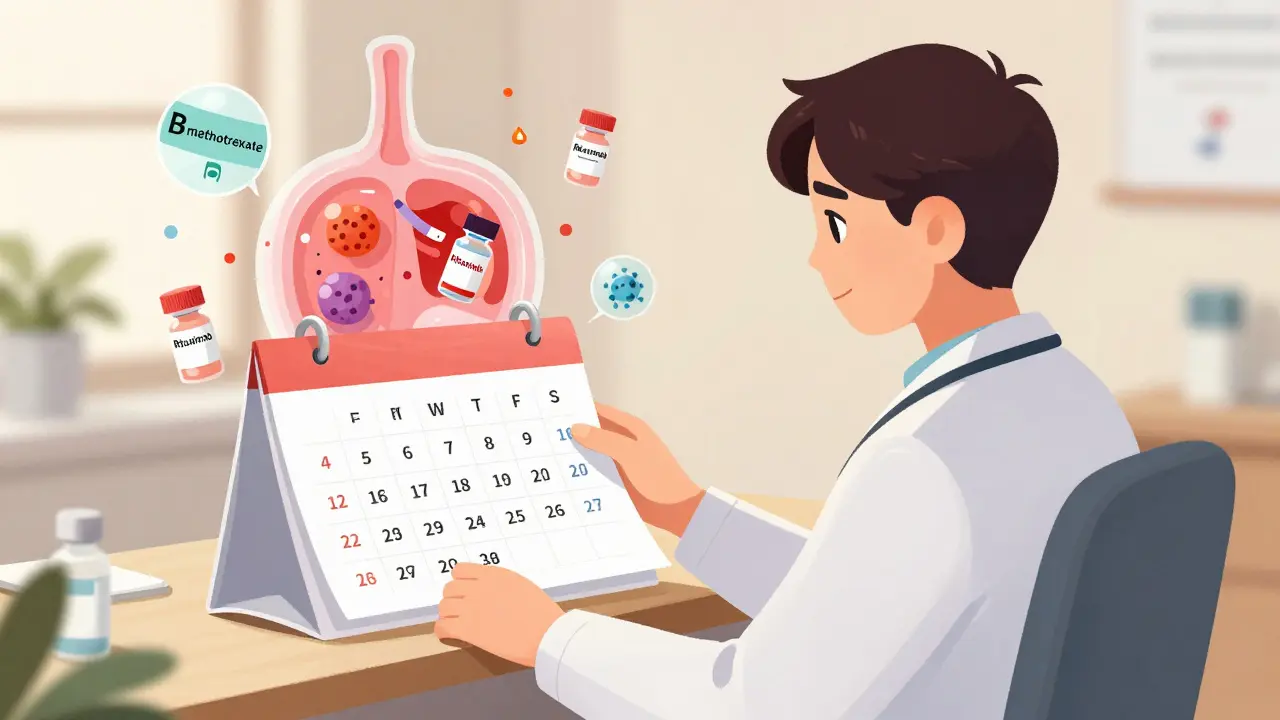
Vaccines for Immunosuppressed Patients: When and How to Get Them Right
Vaccines for immunosuppressed patients require precise timing to work. Learn when to get shots based on your meds, disease, and community risk - and why waiting too long can be dangerous.
-
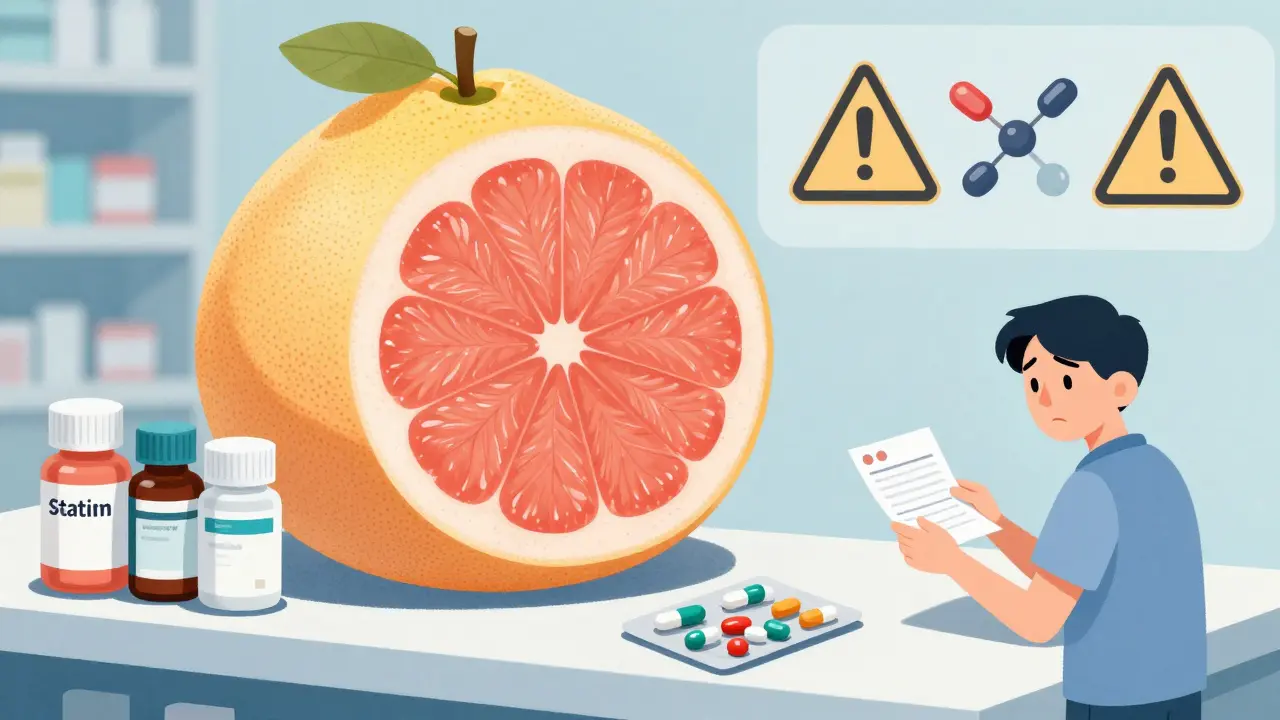
Citrus Fruits Beyond Grapefruit: Pomelo and Seville Orange Effects on Drugs
Pomelo and Seville orange can be just as dangerous as grapefruit when taken with certain medications. These citrus fruits contain potent compounds that interfere with drug metabolism, increasing the risk of serious side effects. Know which meds are at risk and how to stay safe.
-
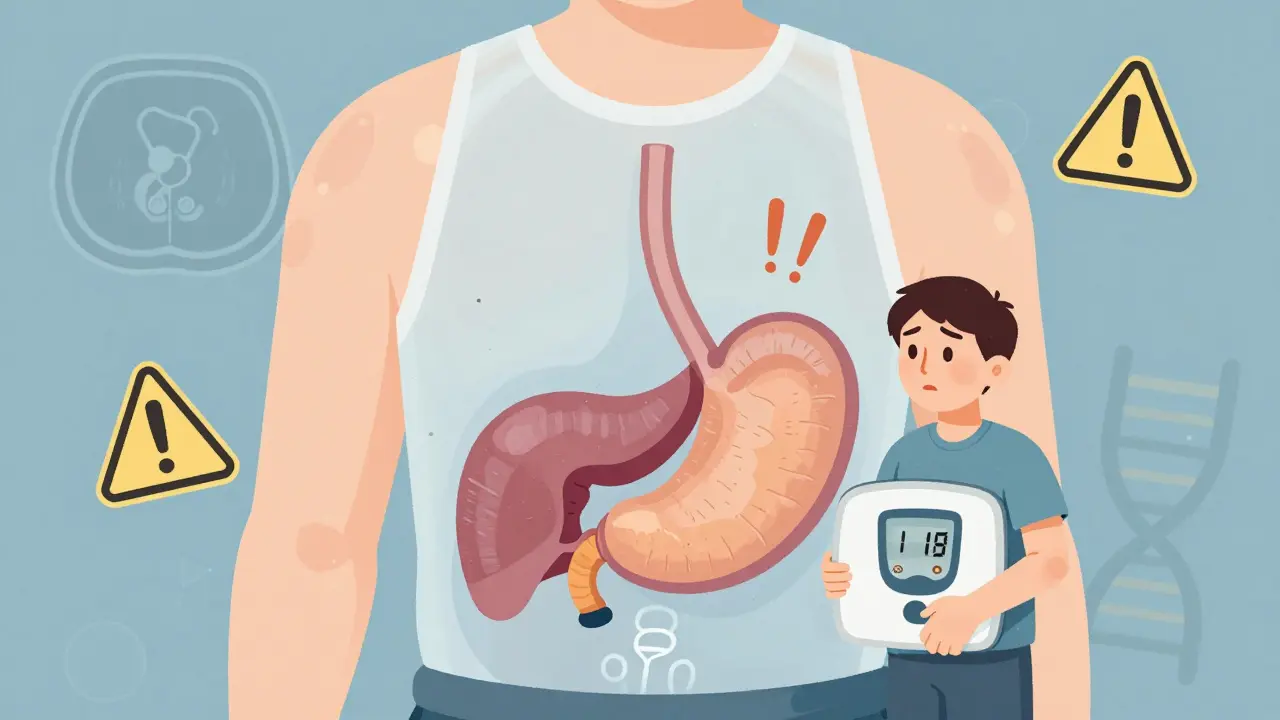
Pancreatic Cancer: Early Symptoms and Treatment Advances
Pancreatic cancer often shows no early symptoms, but key signs like new-onset diabetes, unexplained weight loss, and jaundice can signal trouble. Recent advances in chemo, targeted therapy, and early detection are improving survival rates.
-
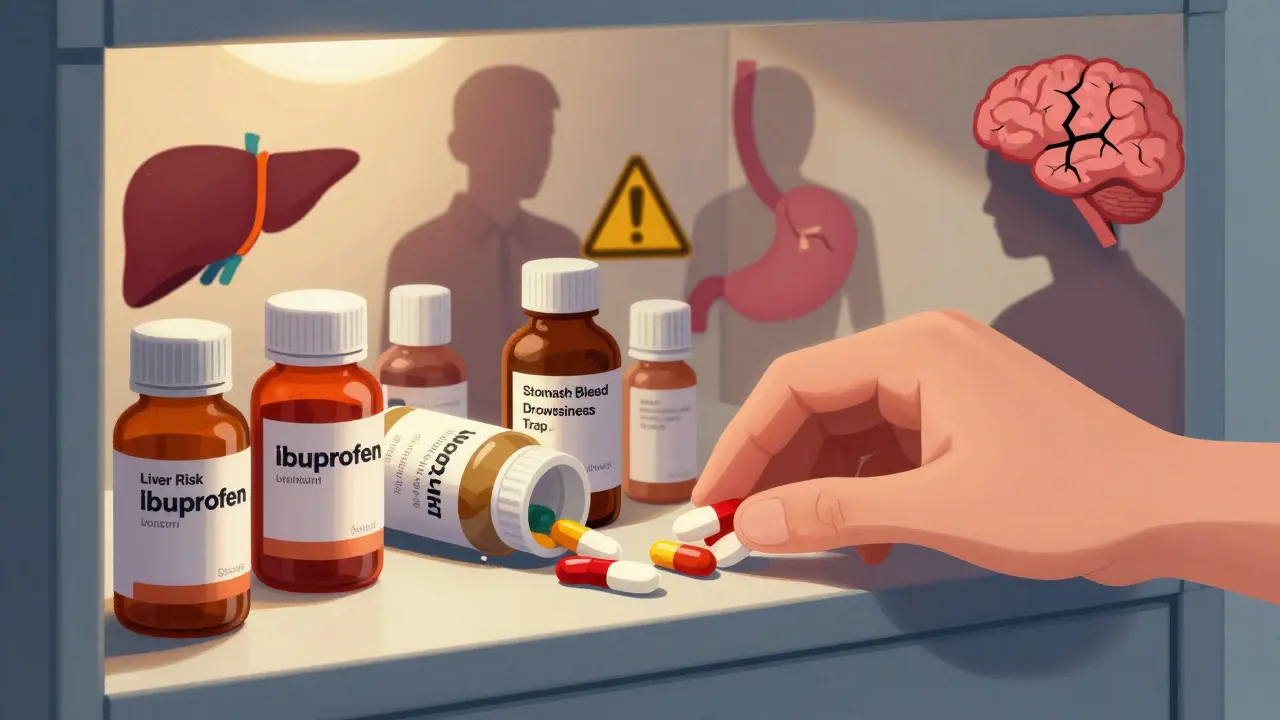
Over-the-Counter Medications: NSAIDs, Acetaminophen, and Antihistamines Explained for Safe Use
NSAIDs, acetaminophen, and antihistamines are common OTC meds-but misuse can lead to liver damage, stomach bleeds, and falls. Learn safe dosing, hidden risks, and what to avoid.
-
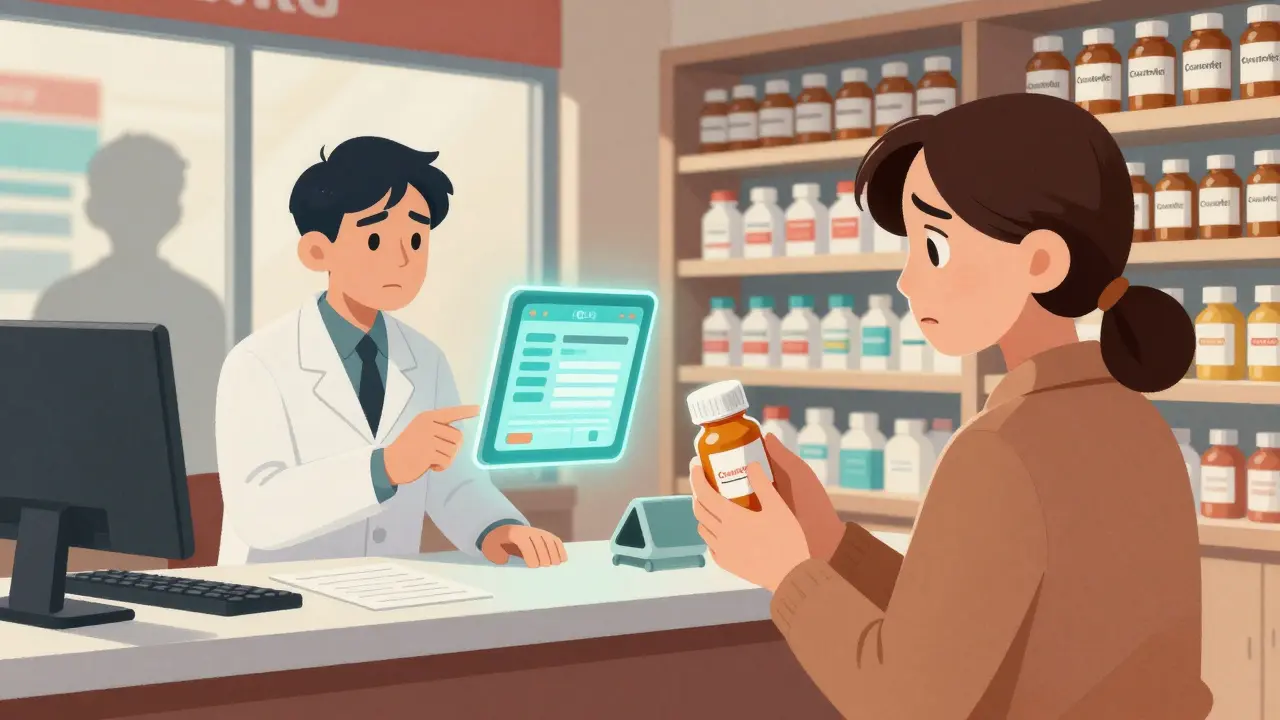
How to Verify Pharmacy Licenses Through State Pharmacy Boards to Avoid Counterfeit Drugs
Learn how to verify pharmacy licenses through state boards to avoid counterfeit drugs and unlicensed practitioners. Essential guide for patients, employers, and healthcare providers.
-
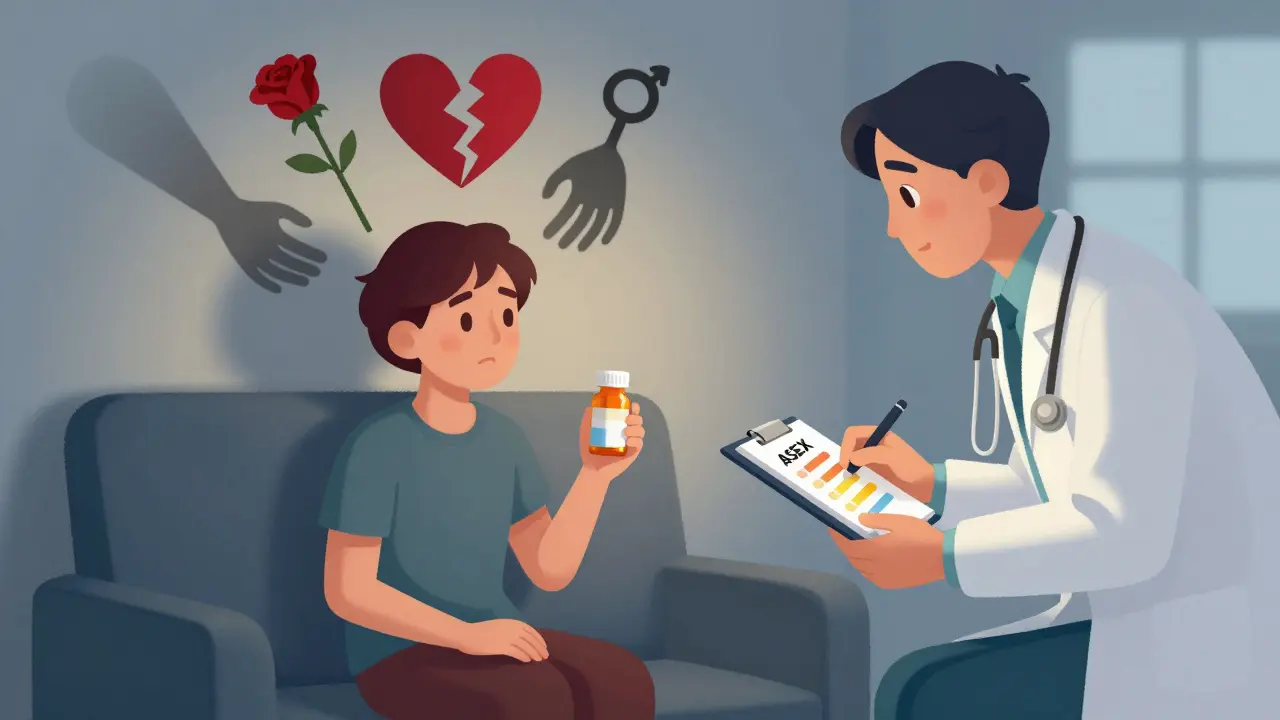
Counseling for Sexual Side Effects from Medications: What You Need to Know
Sexual side effects from medications like antidepressants are common but rarely discussed. Learn how counseling, medication changes, and open communication can restore your sex life and help you stay on treatment.