Health Guides You Can Actually Use
Looking for real‑world health advice without the jargon? You’re in the right spot. At JWSC Pharma Guide we break down everything from buying meds online to simple daily habits that keep you feeling good. No fluff, just straightforward info you can act on today.
Safe Medication Buying Tips
Buying prescription or over‑the‑counter drugs online feels risky, but a few clear steps make it safe. First, always check that the pharmacy displays a valid license and a physical address. Second, compare prices – if a deal looks too good to be true, it probably is. Third, use a credit card so you have fraud protection.
When you order, keep a copy of the prescription (or the doctor’s note) handy. Many reputable sites let you upload it securely. If you ever get a medication that doesn’t match the label, contact the pharmacy immediately and report the issue to your local health authority. These habits keep you protected while still saving money.
Everyday Wellness Hacks
Staying healthy isn’t just about meds. Hydration, sleep, and movement matter a lot. Aim for at least eight glasses of water a day – the exact number varies, but a good rule is to sip whenever you feel thirsty. Add a short walk after meals; even ten minutes helps regulate blood sugar and improves digestion.
Sleep quality can make or break your day. Keep your bedroom cool, dark, and free of screens at least an hour before bed. If you struggle to fall asleep, try a calming routine like reading a paperback or gentle stretching. Consistency is key – go to bed and wake up at the same time each day.
Finally, consider simple supplements that back up your diet. Berberine, for example, has been shown in trials to support blood sugar control, while a daily dose of Vitamin D can boost mood and bone health. Always check with a healthcare professional before starting any new supplement.
All of these tips—whether you’re ordering a medication or tweaking daily habits—are about making health manageable. You don’t need a PhD to stay well; you just need reliable info and a few practical habits.
Got a specific question about a drug, a condition, or a wellness routine? Use our search bar or dive into one of the many guides listed below. We keep each article up to date with the latest guidelines, so you’re always reading current advice, not outdated myths.
Remember, the best health decisions start with simple, informed steps. With the right knowledge, you can navigate online pharmacies, choose effective supplements, and build daily routines that keep you feeling your best. Happy reading and stay healthy!
-
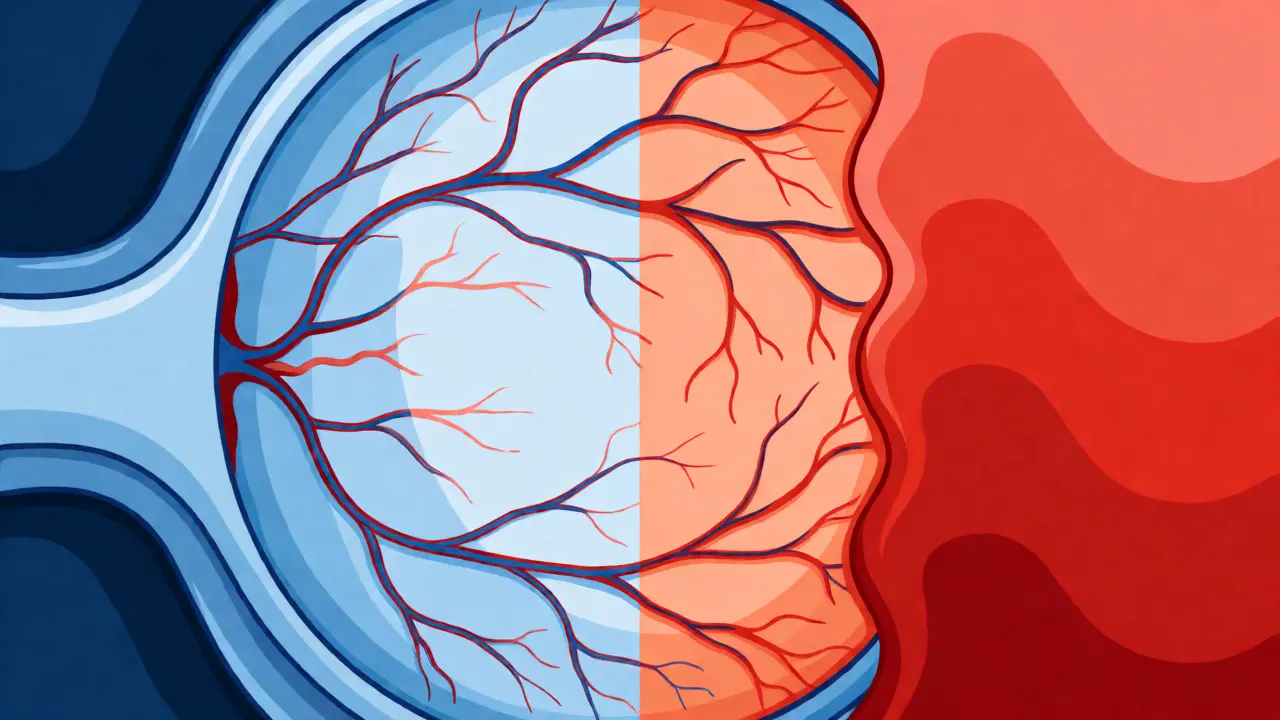
Hypertensive Retinopathy: How High Blood Pressure Damages Your Vision
Discover how high blood pressure silently damages your retina through hypertensive retinopathy. Learn about symptoms, grading systems, and why eye exams are vital for heart health.
-
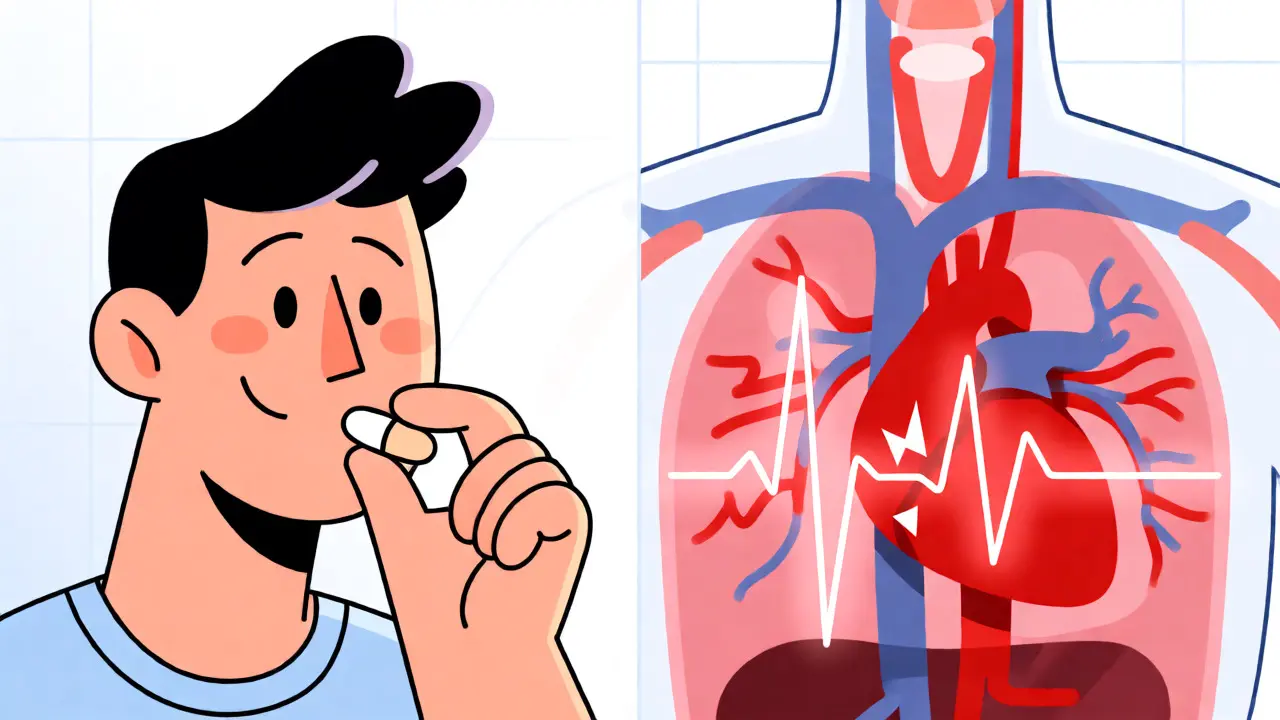
Wearable ECGs for QT Safety: Real-Time Risk Detection Guide
Discover how wearable ECGs like Apple Watch and KardiaMobile aid in real-time QT interval monitoring. Learn about their accuracy, FDA status, and role in cardiac safety.
-

Elderberry and Immunosuppressants: Why Immune Activation Is a Risk
Elderberry stimulates immune cytokines, potentially interfering with immunosuppressants like tacrolimus. Transplant and autoimmune patients face risks of rejection or flare-ups. Consult specialists before use.
-

Tinnitus Retraining Therapy: How Habituation and Sound Therapy Work
Discover how Tinnitus Retraining Therapy uses habituation and sound therapy to reduce tinnitus distress. Learn about the science, costs, and real-world outcomes.
-
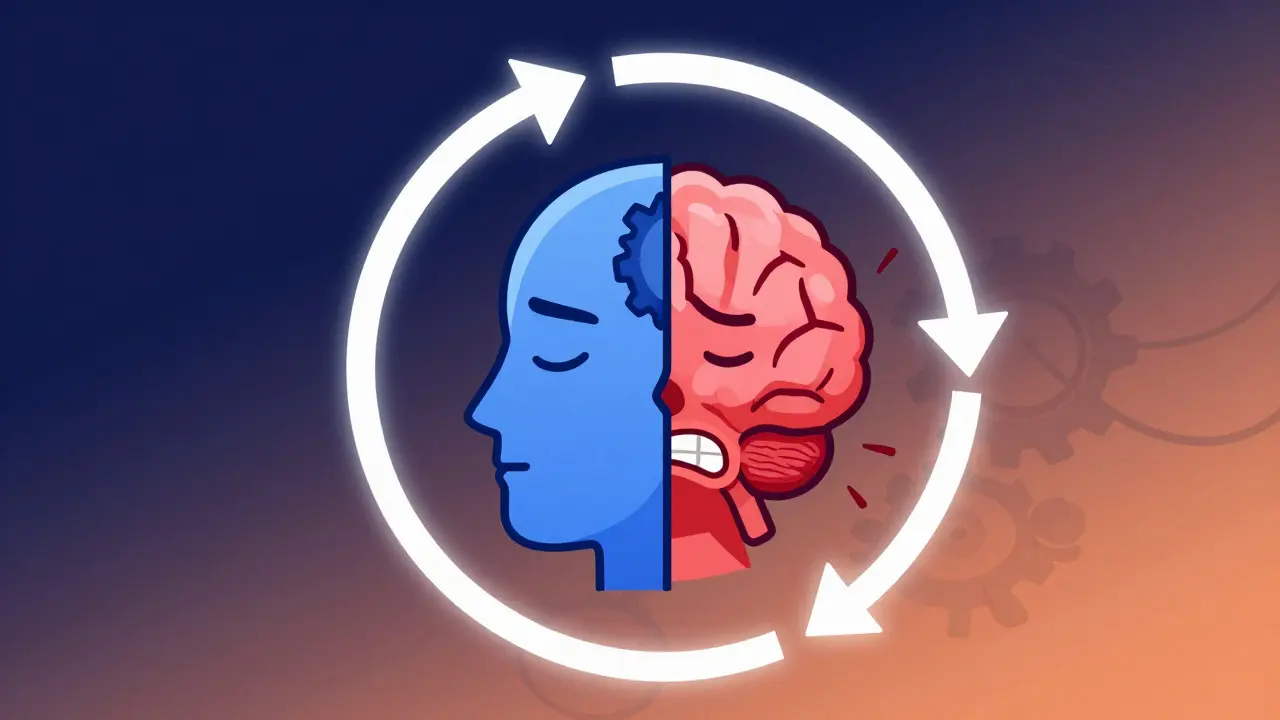
Pain and Sleep: How to Break the Insomnia-Pain Cycle
Discover how chronic pain and insomnia feed into each other and learn practical, evidence-based strategies like CBT-I to break the cycle and improve your quality of life.
-

Obesity as a Chronic Disease: Metabolic Health and Weight Strategies
Obesity is a chronic disease driven by genetics and biology, not just willpower. Explore metabolic health impacts, modern treatments like GLP-1s and surgery, and strategies for long-term management.
-
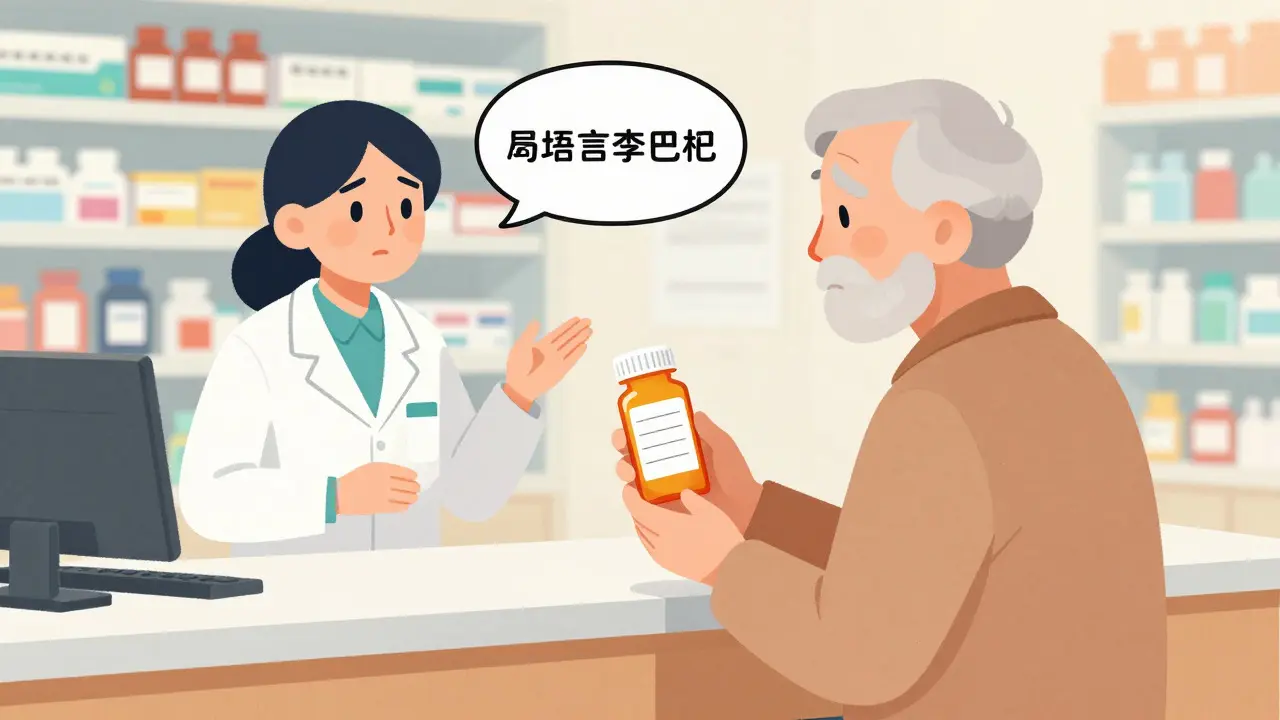
Language Barriers and Medication Safety: Practical Steps to Get Help
Discover practical strategies to overcome language barriers in medication management. Learn how to use professional interpreters, teach-back methods, and legal rights to ensure safe and effective healthcare.
-

How to Buy Methyldopa Online: Safe Pharmacies, Prices & Prescriptions
Learn how to safely buy Methyldopa online in 2026. Compare prices from Blink Health, YouDrugstore, and GoodRx, understand prescription requirements, and find the best deals for your blood pressure management.
-
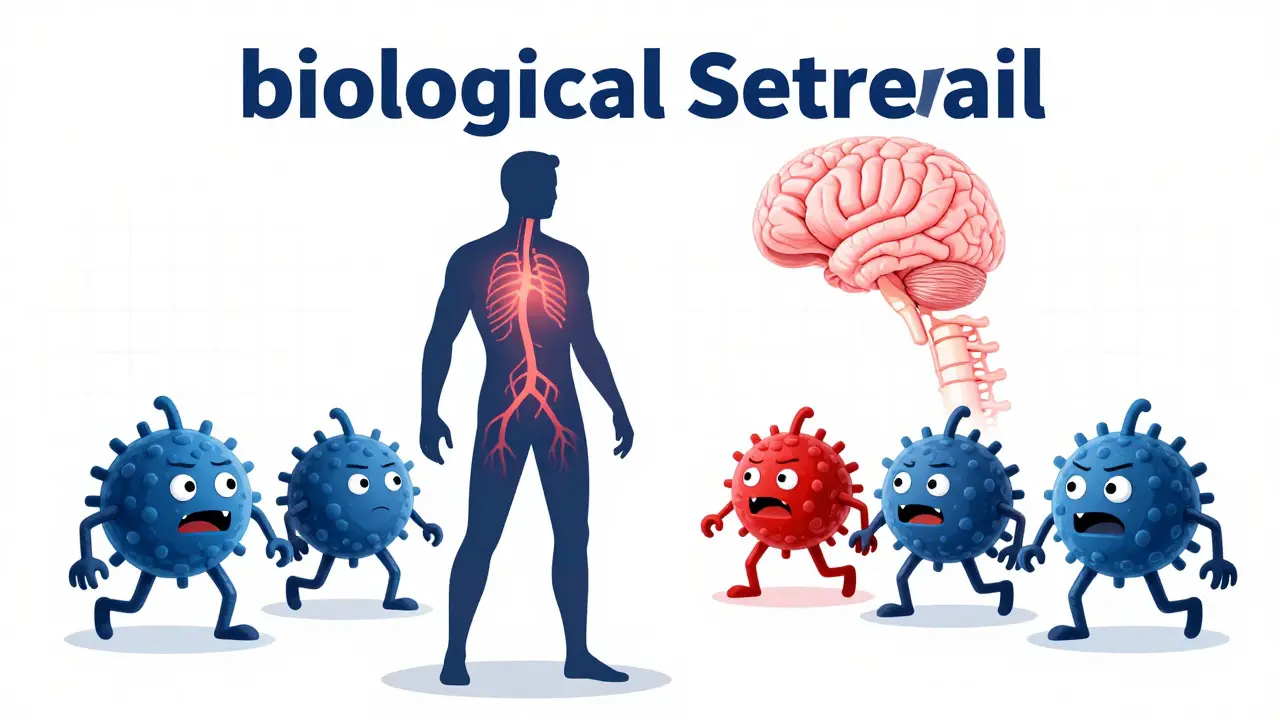
Multiple Sclerosis: How the Immune System Attacks the Nervous System
Explore how multiple sclerosis causes the immune system to attack the nervous system. Learn about demyelination, key immune cells involved, triggers like Epstein-Barr virus, and modern treatment options.
-

How and Where to Buy Restoril Online Safely in 2026
Learn how to buy Restoril online legally in 2026 using telehealth services. Discover safe pharmacies, costs, and tips to avoid scams.
-
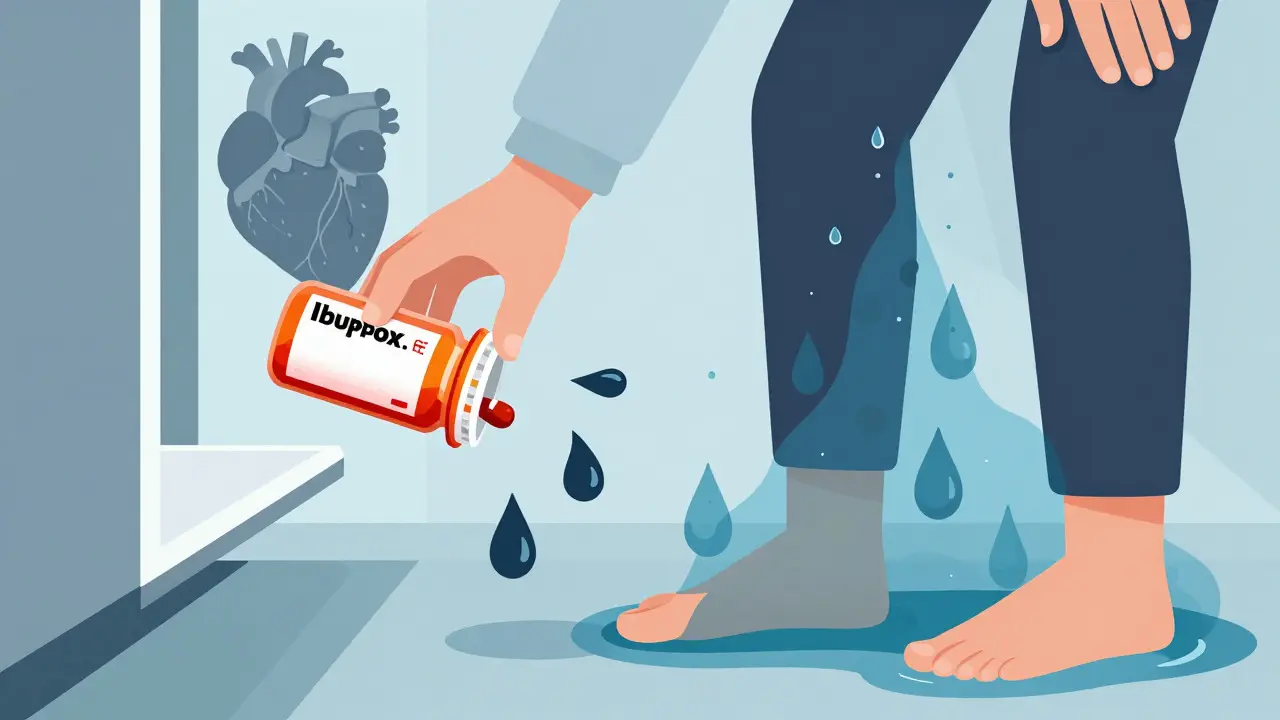
NSAIDs and Heart Failure: Why Fluid Retention Leads to Hospitalization
Discover why NSAIDs like ibuprofen pose a serious risk for heart failure patients, triggering rapid fluid retention and hospitalization. Learn safer alternatives and management tips.
-
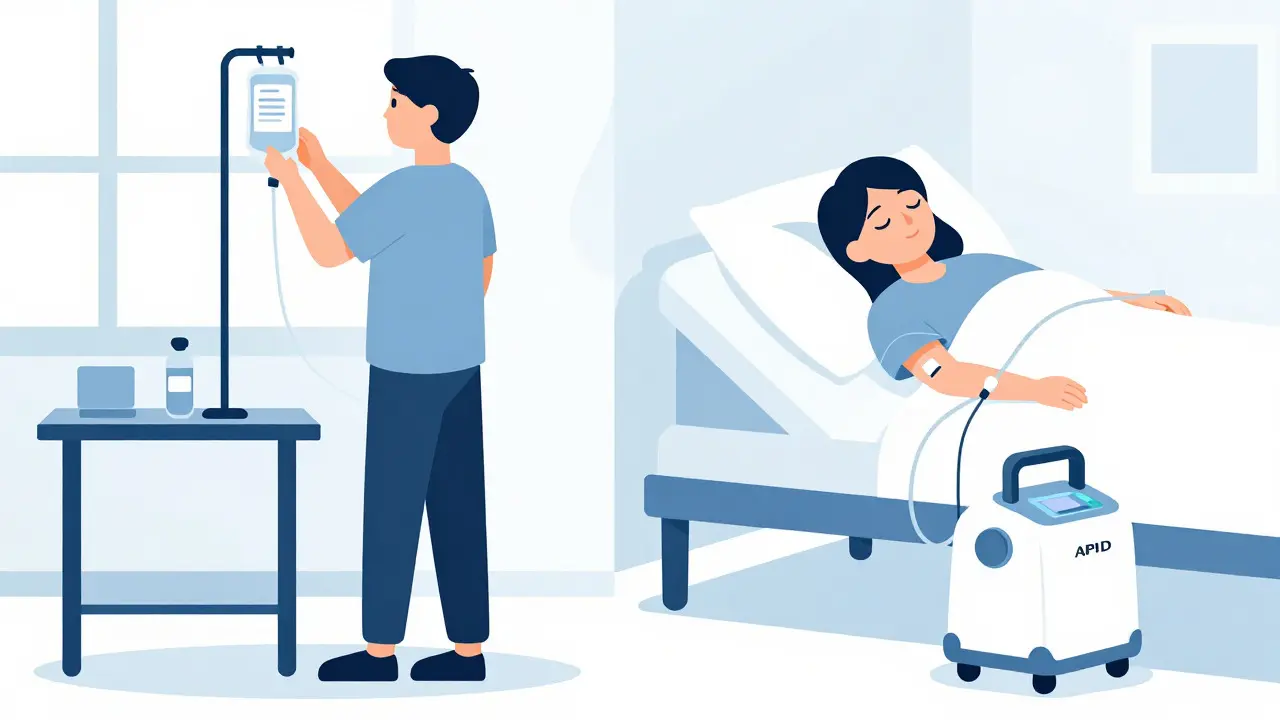
Peritoneal Dialysis at Home: CAPD vs. APD Considerations
Compare CAPD and APD for home peritoneal dialysis. Learn the pros, cons, costs, and lifestyle impacts of manual vs automated dialysis to choose the right kidney treatment.