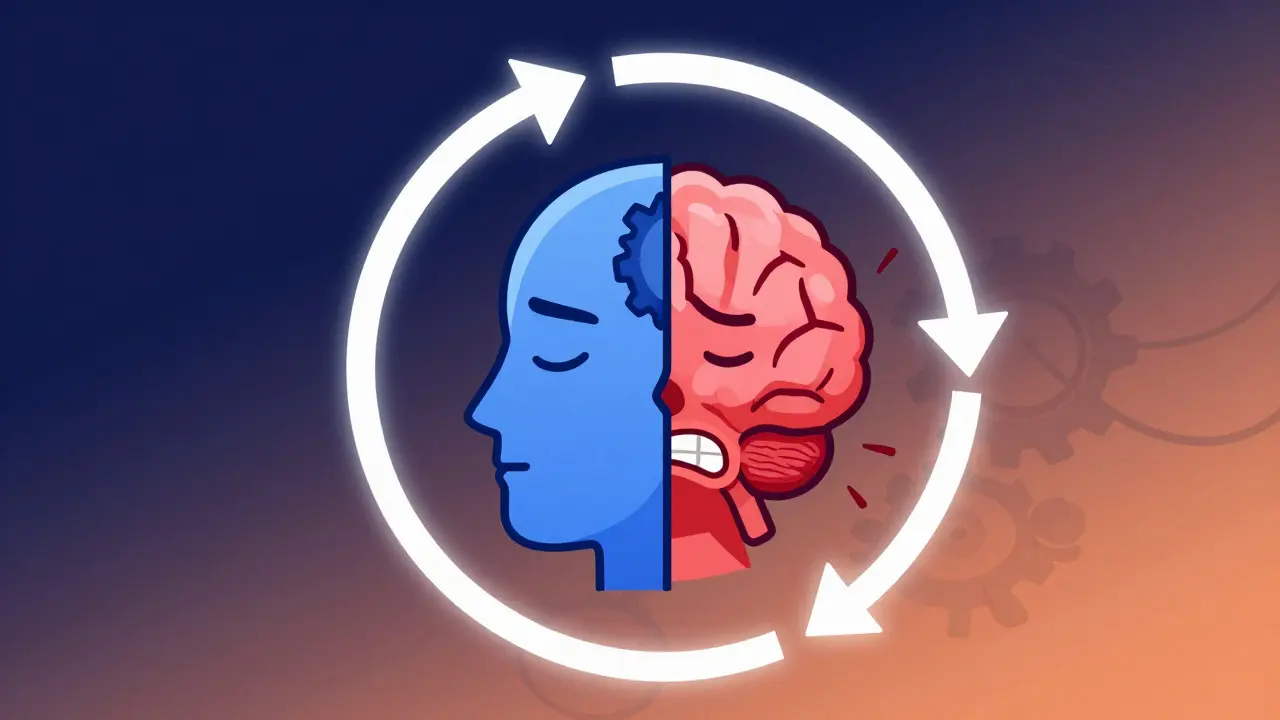
Imagine waking up with a headache that feels twice as bad as it did when you went to bed. You try to rest, but your back spasms keep you awake. By noon, you're exhausted, and the pain is unbearable. This isn't just bad luck; it's a biological trap known as the pain sleep cycle. For millions of people living with chronic conditions, this loop feels inescapable. Pain keeps you from sleeping, and lack of sleep makes your body more sensitive to pain. But here’s the good news: science has finally mapped out how this works, and we have effective tools to break the loop.
You don’t have to choose between treating your pain or fixing your sleep. In fact, doing both at the same time is the most powerful strategy available. Let’s look at why this happens, what the data says, and exactly how you can start turning the tide today.
The Vicious Loop: Why Pain and Sleep Are Connected
Historically, doctors viewed insomnia as a side effect of pain. If you hurt, you can't sleep. Simple. But research since the late 1990s has shown it’s actually a two-way street. A landmark study from the University of Washington found that when people are selectively deprived of sleep, their pain tolerance drops significantly. It’s not just that you feel tired; your brain literally changes how it processes signals.
Think of your nervous system like a thermostat. When you’re well-rested, the thermostat keeps the temperature (or in this case, pain sensitivity) stable. But when sleep is disrupted, the thermostat malfunctions. Research published in Nature Communications by researchers at Massachusetts General Hospital revealed that sleep loss heightens pain sensitivity by dysregulating the brain's internal pain control system. Specifically, sleep deficiency reduces the activity of your endogenous opioid system-the body's natural painkillers-by 30-40%. At the same time, it increases pro-inflammatory cytokines like IL-6 by 25-35%. So, you’re fighting pain with fewer natural defenses and more inflammation in the mix.
This creates a self-perpetuating cycle. Pain fragments your sleep, and fragmented sleep lowers your pain threshold by 10-20% in experimental settings. The result? Spontaneous pain episodes and a general worsening of existing conditions. If you’ve ever felt like your pain got worse after a night of poor rest, you weren’t imagining it. Your biology was working against you.
What Happens in Your Brain During the Cycle
To fix the problem, it helps to understand the machinery behind it. The neurobiological mechanisms involve several interconnected systems that go haywire when sleep and pain collide.
- Opioid System Suppression: As mentioned, your natural pain-relieving chemicals drop significantly. This means normal stimuli that wouldn't bother you on a good night start feeling sharp and intense.
- Dopamine Depletion: Dopamine plays a key role in both sleep regulation and pain modulation. Studies show dopamine levels can drop by 20-30% following sleep deprivation. Low dopamine contributes to both the difficulty in falling asleep and the reduced effectiveness of your body's analgesic responses.
- Inflammatory Spike: Lack of sleep triggers the immune system to release inflammatory mediators. These molecules sensitize nerve endings, making them fire off pain signals more easily.
- Kappa Opioid Receptors: Recent discoveries highlight the role of kappa opioid receptors in this disruption. Targeting these receptors has shown promise in preclinical models, improving sleep quality by 40-60% in chronic pain scenarios.
Dr. Shiqian Shen, a clinical director at MGH’s Tele Pain Program, describes this process as similar to a room thermostat losing its ability to regulate temperature. Without proper sleep, the "thermostat" fails, and pain becomes an exaggerated response to minor inputs. This explains why some patients report pain even without new physical injury or excessive stimulation.
The Real Cost: Data on Pain and Sleep Disturbance
It’s easy to dismiss sleep issues as a minor annoyance compared to severe pain. But the numbers tell a different story. Approximately 1.5 billion people worldwide experience chronic pain, and 50-80% of them report clinically significant sleep disturbances. That’s a massive overlap.
Here’s what happens when these two conditions coexist:
| Metric | Pain + Insomnia | Pain Only | Impact |
|---|---|---|---|
| Pain Intensity | Higher | Baseline | 35-45% increase |
| Pain Duration | Longer | Baseline | 28% longer episodes |
| Anxiety/Depression | Greater | Baseline | 40% higher levels |
| Physical Functioning | Worse | Baseline | 50% greater impairment |
| Sleep Onset Latency | Slower | Faster | 25-30 minutes longer |
Objective measurements back this up. Chronic pain patients typically take 25-30 minutes longer to fall asleep than healthy controls. They wake up more frequently during the night, averaging 62 minutes of wakefulness after sleep onset compared to just 35 minutes for those without pain. Total sleep time is often shorter, averaging 6.2 hours versus 7.1 hours. These aren't just statistics; they represent lost energy, reduced mood, and a harder day ahead.
Interestingly, 78% of patients presenting for treatment prioritize sleep improvement over pain reduction in their initial consultations. Dr. Nicole K.Y. Tang of King's College London notes that insomnia is a major source of distress. Many patients want tangible help with sleep because they know that if they can sleep, the pain might become manageable. If you haven’t told your doctor how much sleep is affecting you, now is the time.
Breaking the Cycle: Effective Treatment Strategies
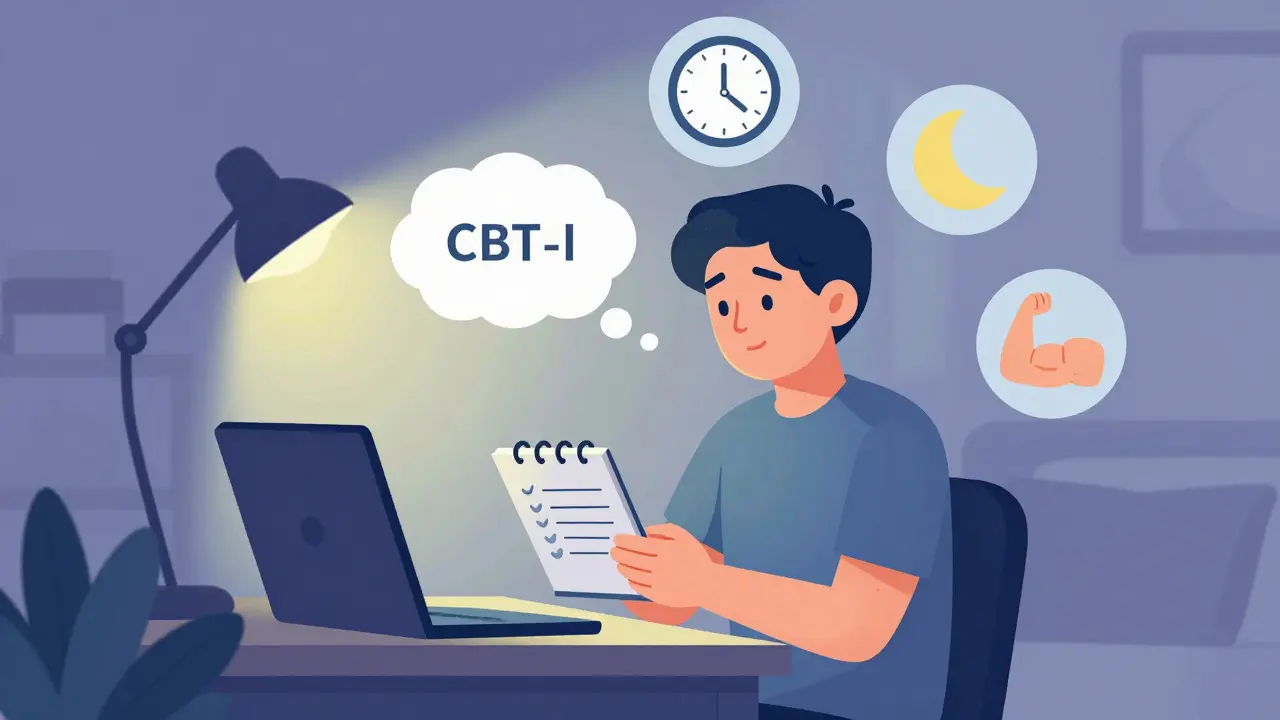
So, how do you stop the wheel from spinning? The gold standard for treating sleep disturbance in chronic pain is Cognitive Behavioral Therapy for Insomnia, or CBT-I. Unlike sleeping pills, which treat the symptom, CBT-I addresses the root causes of your sleep difficulties.
CBT-I is a structured program that usually lasts 8-10 weeks. It involves working with a therapist to change thoughts and behaviors that interfere with sleep. Here’s what it typically includes:
- Sleep Restriction: Limiting time in bed to match your actual sleep time, then gradually increasing it. This builds sleep drive and improves efficiency.
- Cognitive Restructuring: Challenging negative thoughts about sleep (e.g., "If I don't sleep now, I'll be wrecked tomorrow") and pain (e.g., "This pain means something is getting worse").
- Stimulus Control: Associating your bed only with sleep and sex, not with worrying, reading, or watching TV. If you can't sleep after 20 minutes, get up.
- Relaxation Techniques: Learning methods like progressive muscle relaxation or mindfulness to calm the body before bed.
The results are impressive. Studies show CBT-I produces clinically significant improvements in sleep efficiency, increasing it by 12-15 percentage points. It also reduces the time it takes to fall asleep by 25-30 minutes and cuts down nighttime awakenings by 35-40 minutes. Even better, it reduces pain intensity by 30-40% after completion. That’s a substantial win for both your rest and your comfort.
If in-person therapy isn't accessible, digital CBT-I platforms like Sleepio offer a viable alternative. They show 60-65% efficacy in chronic pain patients. However, be aware that completion rates can be lower for those in pain, so sticking with the plan is crucial. Consistency is key.
Practical Steps You Can Take Tonight
While professional help is ideal, you can start building better habits immediately. These small changes can disrupt the cycle before it fully locks in.
Track Your Patterns
For at least 14 days, keep a simple sleep diary. Note when you go to bed, how long it took to fall asleep, how many times you woke up, and your pain level each morning. Look for correlations. Do certain activities make sleep harder? Does pain spike after specific types of movement? This data is invaluable for your healthcare provider.
Optimize Your Environment
Make your bedroom a sanctuary for sleep. Keep it cool, dark, and quiet. Use blackout curtains if needed. Invest in a comfortable mattress and pillows that support your posture, especially if back or neck pain is a factor. Avoid screens for at least an hour before bed, as blue light suppresses melatonin production.
Manage Pain Proactively
Don't wait until pain peaks to treat it. Work with your doctor to create a multimodal pain management plan. This might include a combination of medication, physical therapy, and heat/cold therapy. The goal is to keep pain at a manageable level throughout the day so it doesn't hijack your evening. Some analgesics can disturb sleep, so discuss timing and dosage with your prescriber.
Watch What You Consume
Caffeine and alcohol are common sleep thieves. Try to cut caffeine after early afternoon. While alcohol might help you drift off, it fragments sleep later in the night, leading to more awakenings. Stay hydrated, but limit fluids in the two hours before bed to reduce nighttime trips to the bathroom.
When to Seek Professional Help
Self-help strategies work for many, but sometimes you need expert guidance. Consider seeing a specialist if:
- Your sleep problems persist for more than three months despite trying basic hygiene tips.
- Your pain is significantly impacting your daily life, work, or relationships.
- You rely heavily on sleep aids or painkillers to function.
- You experience symptoms of other sleep disorders, such as snoring, gasping for air, or extreme daytime sleepiness (which could indicate sleep apnea).
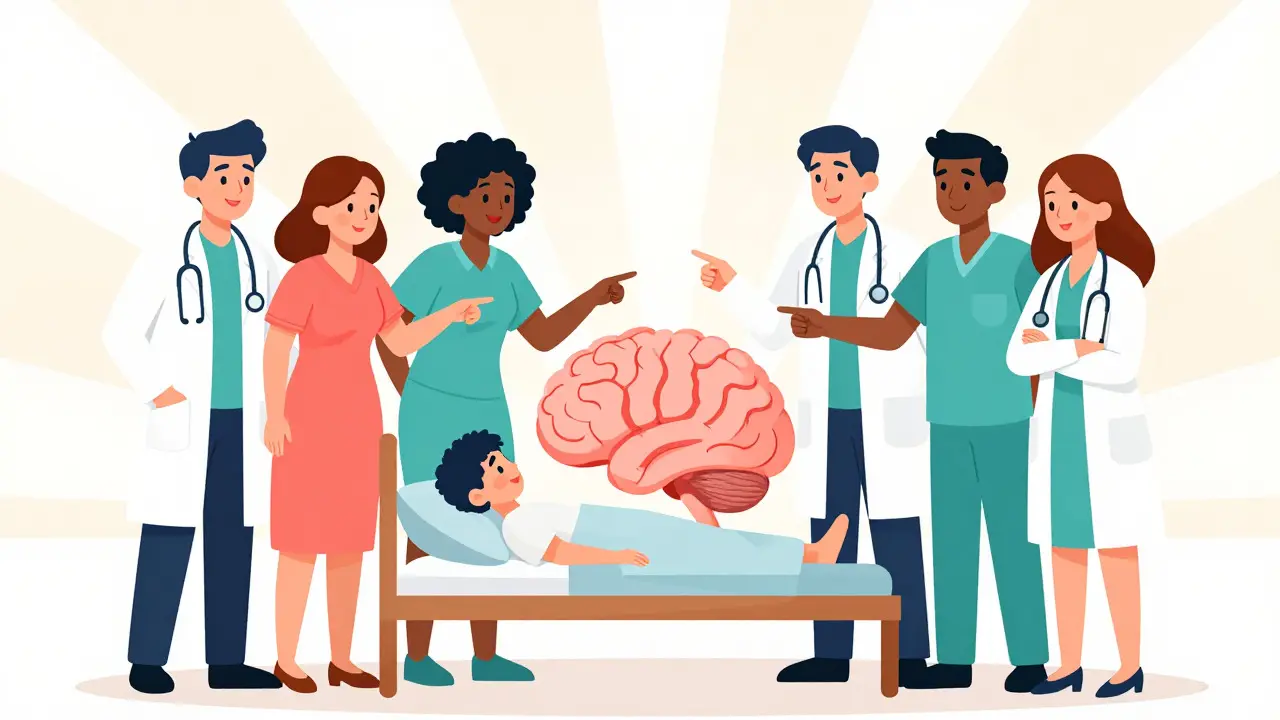
Look for clinics that offer integrated care. Patient reviews consistently show higher satisfaction rates (4.7/5) for clinics that address both pain and sleep simultaneously, compared to those focusing only on pain (3.2/5). A multidisciplinary team-including a pain specialist, a sleep medicine physician, and a behavioral health provider-can create a personalized plan that tackles all angles of your condition.
Future Directions and Hope
The field is moving fast. The National Institutes of Health allocated $12.7 million in 2023 specifically for research targeting the pain-sleep cycle. There are currently dozens of active clinical trials exploring new treatments. One promising area is the development of drugs that target kappa opioid receptors, which may improve sleep without causing the side effects associated with traditional opioids. Early trials show significant improvements in both sleep quality and pain scores.
Additionally, researchers are looking into genetic markers. Scientists at MGH have identified 12 gene variants associated with both pain sensitivity and sleep regulation. This could lead to personalized medicine approaches in the future, where your treatment is tailored to your unique biology. For now, the best approach remains a combination of behavioral changes, targeted therapy, and proactive pain management.
Breaking the pain-sleep cycle isn't about perfection. It's about progress. Every night you improve your sleep, you give your body a chance to repair and reduce its sensitivity to pain. Start small, stay consistent, and don't hesitate to ask for help. You deserve to rest, and you deserve relief.
Does lack of sleep really make pain worse?
Yes. Scientific studies confirm that sleep deprivation reduces the activity of your body's natural pain-relieving systems (like endogenous opioids) and increases inflammation. This lowers your pain threshold, making ordinary sensations feel more painful and intensifying existing chronic pain.
Is CBT-I better than sleeping pills for chronic pain?
For long-term success, yes. CBT-I addresses the underlying causes of insomnia and has been shown to reduce both sleep problems and pain intensity. Sleeping pills may provide short-term relief but often have side effects and don't teach your brain how to sleep naturally. CBT-I is considered the first-line treatment by major medical associations.
How long does it take to see results from treating the pain-sleep cycle?
With CBT-I, many people notice improvements in sleep within the first few weeks, with full benefits seen after 8-10 sessions. Pain reduction often follows sleep improvement, though timelines vary. Consistent use of sleep hygiene techniques can yield smaller but quicker improvements in sleep quality.
Can I break the cycle on my own without therapy?
You can make significant improvements using strict sleep hygiene, stress management, and proactive pain control. However, if insomnia persists for more than a few months, professional intervention like CBT-I is highly recommended for lasting results. Digital CBT-I programs are a good middle ground if in-person therapy isn't an option.
What foods or drinks should I avoid to help sleep and pain?
Limit caffeine after early afternoon and avoid alcohol close to bedtime, as both disrupt sleep architecture. Heavy meals within two hours of bed can also cause discomfort and acid reflux, interfering with sleep. Staying hydrated is important, but taper off fluid intake in the evening to minimize nighttime bathroom trips.