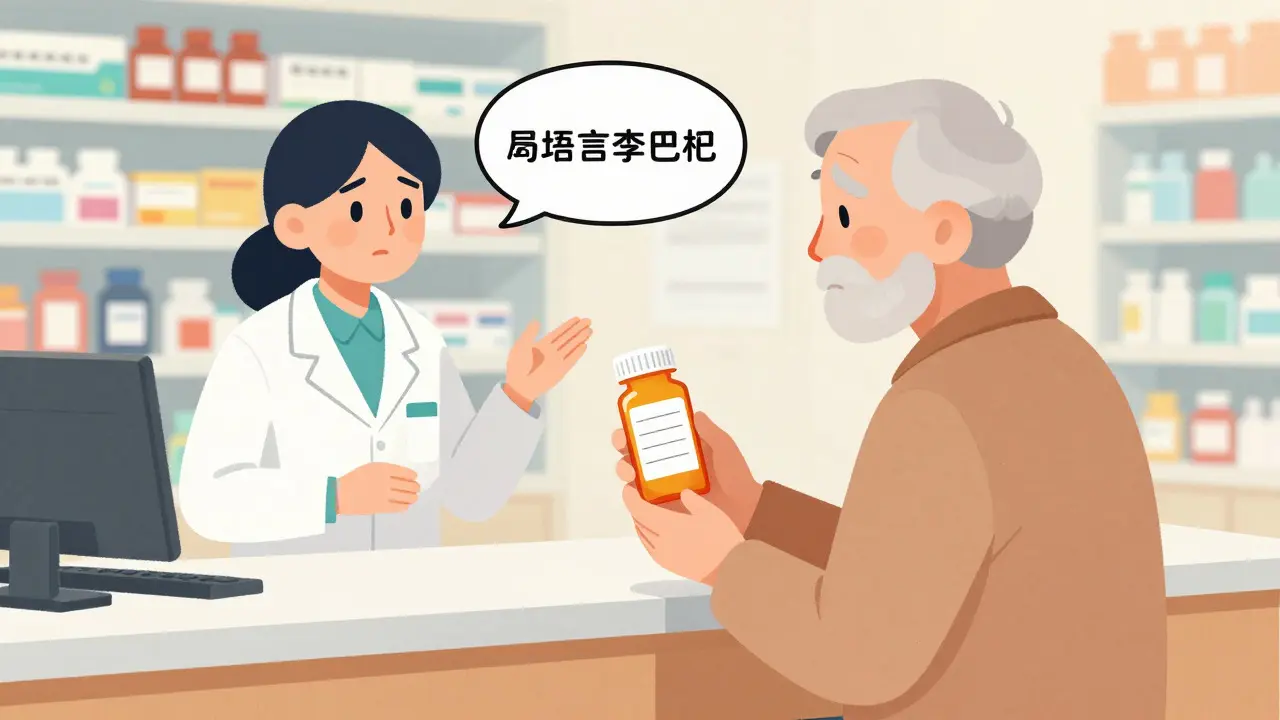
Imagine walking into a pharmacy, handing over a prescription, and leaving with a bottle of pills but no idea how many to take or when. For millions of people with limited English proficiency (LEP), this isn't a hypothetical scenario; it is a daily reality that puts their health at risk. Miscommunication in healthcare isn't just an inconvenience-it’s a leading cause of medication errors, adverse drug events, and preventable hospitalizations. If you or a loved one navigates the medical system while struggling with the dominant language, knowing exactly where to find reliable help can be the difference between safe recovery and serious harm.
The Real Cost of Misunderstanding
When words don't match up, mistakes happen fast. Research from the Agency for Healthcare Research and Quality (AHRQ) has long identified language gaps as a critical patient safety concern. A 2022 study published in Pediatrics by researchers at the Children's Hospital of Philadelphia found that children in families with limited English proficiency experienced adverse drug events at nearly twice the rate of those in English-proficient families-17.7% versus 9.6%. This isn't about intelligence or attention span; it's about the sheer complexity of medical terminology colliding with a language barrier.
The financial and human toll is staggering. A 2017 analysis by Quality Health reviewed over 7,000 cases of patient harm linked to communication failures, estimating losses at $1.7 billion. In these scenarios, a simple misunderstanding about dosage frequency or food interactions can lead to emergency room visits. The core issue is that standard healthcare workflows often assume a shared linguistic baseline that simply doesn't exist for a significant portion of the population. Approximately 50% of adults with LEP encounter at least one language barrier in a healthcare setting within any three-year period, according to the 2023 KFF Survey on Racism, Discrimination, and Health.
Why Family Members Are Not Enough
It is tempting to rely on a spouse, child, or friend to translate during a doctor's visit or pharmacy pickup. After all, they know you best. However, relying on ad hoc interpreters is risky. Studies cited in NCBI StatPearls indicate that up to 25% of interpretation provided by untrained family members contains errors due to a lack of specific medical vocabulary. A child might not understand what "titrate" means, or a partner might soften a doctor's warning to avoid upsetting the patient, inadvertently changing the clinical message.
In pharmacy settings, the problem is even more pronounced. A Milwaukee study revealed that roughly 50% of pharmacies could not consistently provide non-English prescription labels or information packets. Furthermore, one in nine pharmacies relies on friends or family for interpretation. When a pharmacist says "take two tablets with food," a layperson translator might miss the nuance of "with a full meal" versus "with a snack," which matters significantly for certain medications like levothyroxine or metformin. Professional Medical Interpreters are trained specifically to bridge this gap with precision, ensuring that clinical intent survives the translation process intact.
Your Toolkit for Getting Effective Help
You don't have to wait for the system to fix itself. There are concrete steps you can take right now to protect your medication safety. Here is a practical checklist to use before, during, and after your medical encounters:
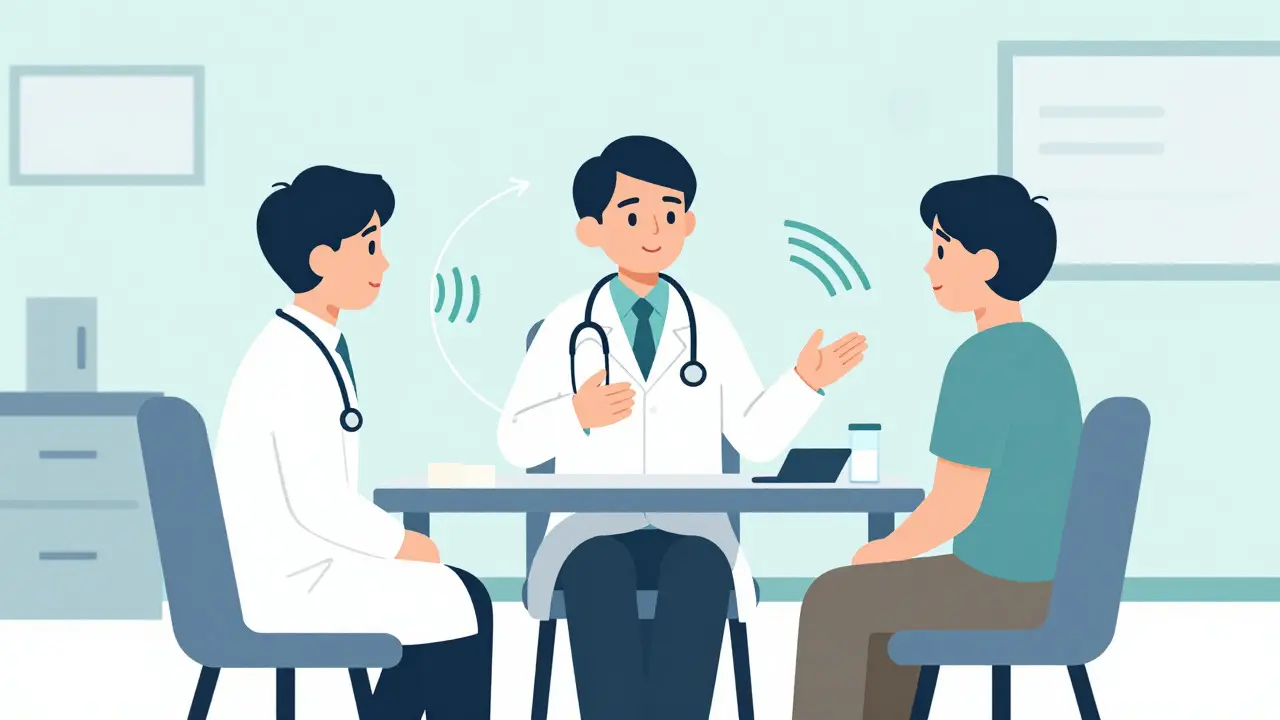
- Request Professional Interpretation Early: Don't wait until the appointment starts. Call the clinic ahead of time and ask if they offer telephone or video remote interpretation. Most major health systems now contract with services like LanguageLine Solutions, which can connect you with a certified interpreter in minutes. If they don't have one, ask for a bilingual provider or schedule a longer appointment to allow for proper communication.
- Use the "Teach-Back" Method: This is a powerful technique recommended by AHRQ. After the provider explains your medication plan, repeat it back in your own words (or have the interpreter do so). Say, "So, I am taking this pill every morning before breakfast, correct?" This confirms understanding without making the provider feel judged.
- Ask for Written Instructions in Your Language: Verbal instructions fade quickly. Ask the pharmacist or doctor for printed materials in your native language. If they don't have them, ask if they can send a digital copy via email or patient portal. Many hospitals now have multilingual resources available online.
- Consider Directly Observed Dosing: For high-risk medications, ask if a nurse or pharmacist can watch you take the first dose. This practice, known as directly observed dosing, enhances safety and accuracy, especially when language barriers exist. It ensures you physically demonstrate how you will administer the medication, catching any confusion about devices like inhalers or insulin pens.
- Leverage Technology Wisely: While apps like Google Translate are handy for basic words, they often fail with medical jargon. Use them only for simple terms like "pain" or "fever." For complex instructions, stick with human interpreters. Some EHR systems now include built-in translation features, so check if your patient portal offers this option.
Navigating Pharmacy Challenges
The pharmacy counter is often where language barriers bite hardest. Prescription labels are legally required to be clear, but they are frequently printed in English only. If you receive a label you can't read, don't guess. Ask the pharmacist to explain the directions verbally and request that they write the key instructions in large print or use symbols (like a sun for "morning" or a plate for "with food").
If your local pharmacy struggles with translation, consider switching to a chain that invests in multilingual services. Large chains often have better access to professional interpretation lines and standardized translated brochures. Additionally, keep a personal medication list written in your preferred language. Bring this list to every appointment. It serves as a reference point for both you and the provider, reducing the chance of new medications conflicting with old ones due to misremembered names or doses.
Understanding Your Rights and Resources
In the United States, you have legal protections. Title VI of the Civil Rights Act of 1964 mandates that healthcare organizations receiving federal funds must provide language assistance services to LEP patients. This means that if a hospital refuses to accommodate your language needs, they may be in violation of federal law. Penalties can reach up to $100,000 per violation, enforced by the Office for Civil Rights.
Beyond legal rights, there are community resources. Local health departments often maintain lists of bilingual providers and free interpretation clinics. Non-profit organizations focused on health equity also offer support groups where patients share tips on navigating the system. If you are part of a managed care plan, check your member handbook; many plans now cover telehealth interpretation services fully, recognizing their role in reducing costly readmissions.
| Method | Accuracy | Cost to Patient | Best For |
|---|---|---|---|
| Professional Interpreter (In-Person/Remote) | High (Reduces errors by up to 50%) | Covered by insurance/Medicare in many cases | Complex diagnoses, new prescriptions, surgery prep |
| Family Member/Friend | Moderate-Low (Up to 25% error rate) | Free | Social context, emotional support, simple follow-ups |
| Translation Apps | Variable (Poor for medical jargon) | Low/Free | Basic vocabulary, confirming names, quick clarifications |
| Bilingual Staff | High | Covered by provider fee | Routine visits if staff availability is confirmed |
Building a Long-Term Strategy
Getting help once is good, but building a consistent strategy is better. Start by identifying your "go-to" resources. Which interpreter service does your primary care office use? Do you have a favorite bilingual pharmacist? Keep their contact information handy. Also, advocate for yourself. When you fill out intake forms, always mark your preferred language clearly. This flag should trigger the system to arrange interpretation automatically. If it doesn't, speak up.
Finally, stay informed. The landscape of healthcare technology is shifting. By 2030, it is projected that 25% of the U.S. population will speak a language other than English at home, driving greater investment in AI-powered translation tools and multilingual EHR modules. Staying aware of these changes helps you leverage new tools as they become available. Whether through a phone call, a video link, or a printed pamphlet, the goal remains the same: ensure that the medicine works because you understand it completely.
Is it okay to use my child as an interpreter for my medications?
It is acceptable for casual conversation, but risky for medical decisions. Children may lack the maturity to handle sensitive health news and often miss technical details. For critical medication instructions, always ask for a professional interpreter or bilingual staff member to ensure accuracy and reduce anxiety.
Do I have to pay extra for an interpreter at the doctor's office?
Usually, no. Since most hospitals and clinics receive federal funding, they are required by law to provide language assistance. Medicare and most private insurance plans now reimburse for professional interpretation services, including telephone and video options. Always ask about coverage before assuming a cost.
What should I do if the pharmacy label is in English only?
Ask the pharmacist to explain the instructions verbally and request that they add symbols or large-print notes to the label. You can also ask for a translated brochure or have them email you a digital version in your language. Never guess based on partial understanding.
Are translation apps reliable for medical terms?
They are helpful for basic words like "pain" or "allergy," but unreliable for complex dosages or side effects. Medical jargon often has no direct equivalent, and context matters. Use apps as a backup, not a primary source for understanding your treatment plan.
How can I make sure I understand my medication instructions?
Use the "teach-back" method. Repeat the instructions back to the provider or pharmacist in your own words. Confirm details like timing, food requirements, and what to do if you miss a dose. Writing down key points immediately after the conversation also helps reinforce memory.