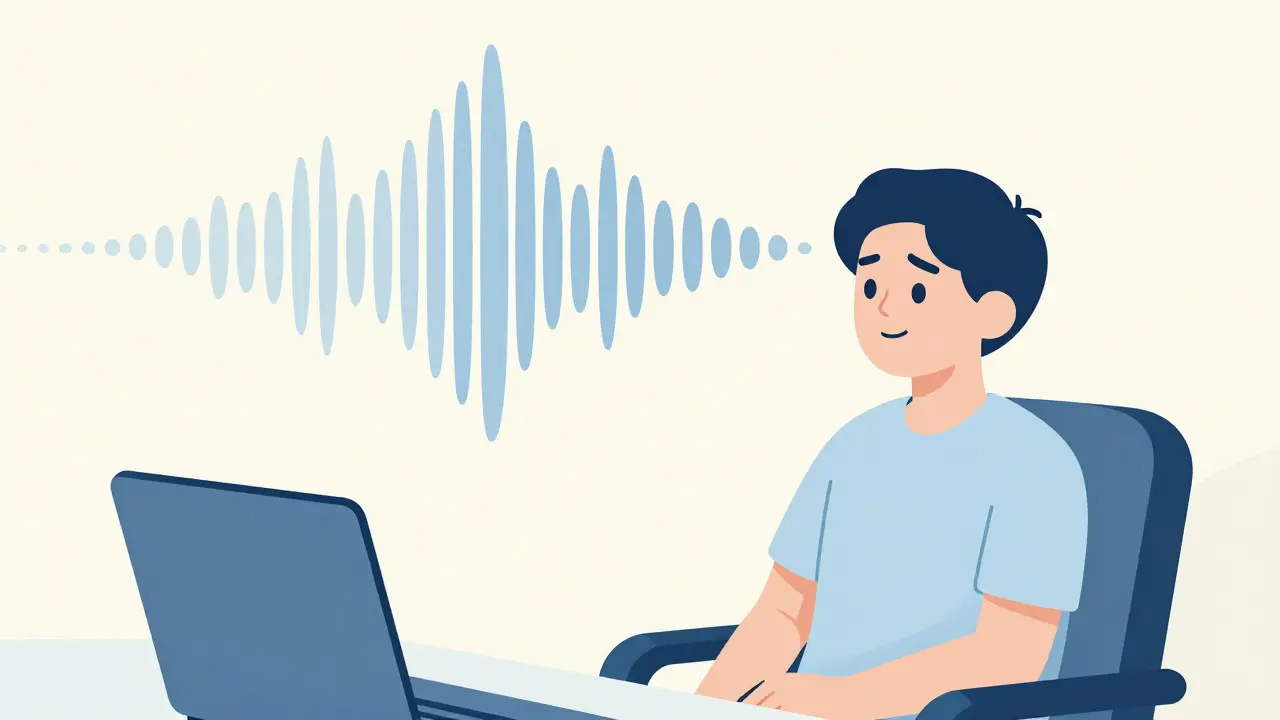
Imagine living with a constant ringing in your ears that never stops. For many people, the sound itself isn't the worst part; it's the anxiety, the sleepless nights, and the feeling of losing control over their own mind. This is where Tinnitus Retraining Therapy comes in. Unlike treatments that promise to silence the noise completely, TRT focuses on teaching your brain to ignore it. Developed by Dr. Pawel Jastreboff at the University of Maryland in the early 1990s, this approach shifts the goal from elimination to habituation. It’s a structured program combining specialized counseling with specific sound therapies to help you reclaim your quality of life.
What Is Tinnitus Retraining Therapy?
Tinnitus Retraining Therapy (TRT) is a clinical protocol designed to reduce the distress caused by tinnitus rather than just treating the symptom. The core philosophy rests on the neurophysiological model of tinnitus, which suggests that the ringing occurs because the brain has created a "vicious cycle" between auditory signals and emotional responses. When you hear the tinnitus, your brain flags it as dangerous or annoying, triggering stress hormones and keeping you alert. TRT breaks this cycle by retraining these neural pathways.
The therapy has two main pillars: educational counseling and sound therapy. Counseling makes up about 60-70% of the effectiveness, according to clinical observations. It involves one-on-one sessions with an audiologist who explains exactly what is happening in your cochlea and brain. By understanding that the sound is not a sign of damage but a misfiring signal, the perceived threat level drops. Sound therapy then provides a consistent, low-level background noise that helps mask the tinnitus just enough to lower its contrast against the rest of the world, allowing the brain to filter it out naturally.
The Science Behind Habituation
Habituation is your brain’s natural ability to tune out unimportant, continuous sounds. Think about the hum of an air conditioner or the traffic outside your window. After a while, you stop noticing it. Tinnitus suffers often lack this filtering mechanism for their internal sound. Functional brain imaging studies from 2018 to 2020 confirmed that people with chronic tinnitus show increased connectivity between the auditory cortex and limbic structures like the amygdala. This means the emotional center of the brain is overly engaged with the sound.
TRT aims to weaken this connection. A 2019 study measured minimal masking levels during treatment and found a 3-5 dB increase after 12 months. This indicates that patients became better at blocking the tinnitus signal subconsciously. The process distinguishes between two types of habituation: reaction and perception. The primary goal is habituating the negative emotional reaction. Once you no longer feel distressed by the sound, the secondary outcome-reduced awareness of the sound itself-often follows. Successful patients report being aware of the tinnitus only 5-15% of waking hours, compared to 80-100% before treatment.
How Sound Therapy Works in Practice
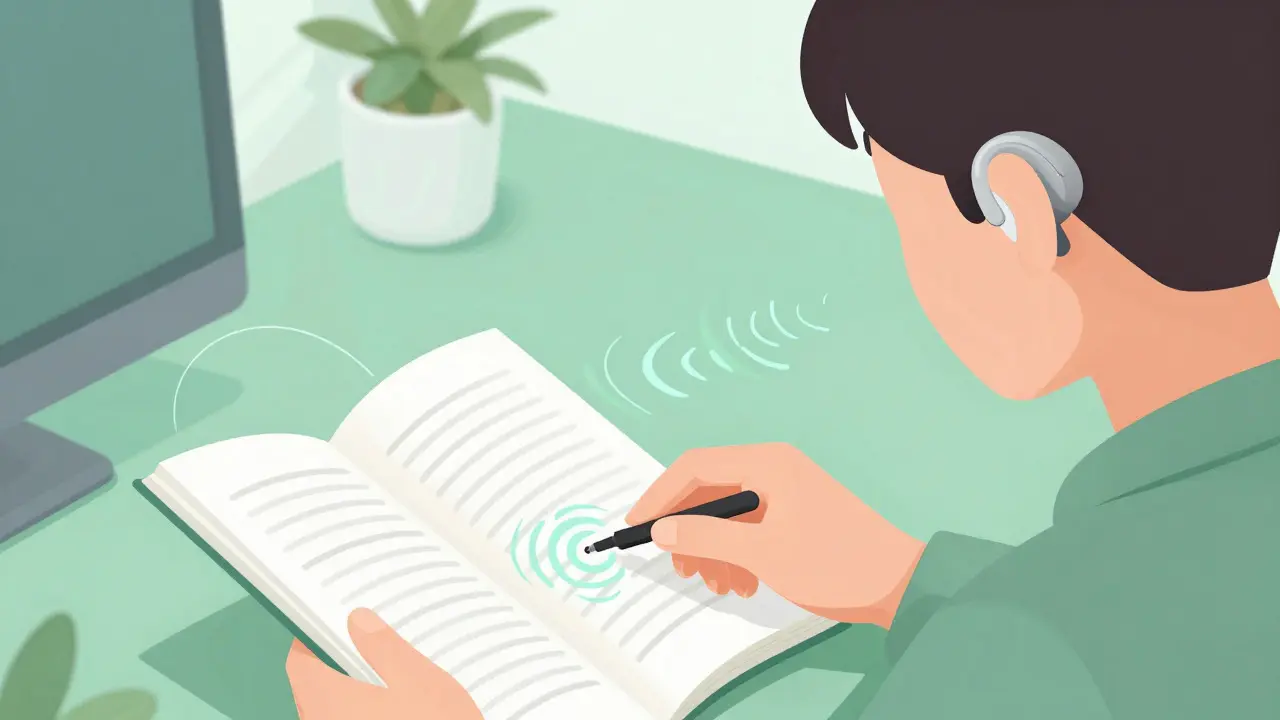
Sound therapy in TRT is not about loud masking. If the sound is too loud, it becomes another distraction. Instead, the protocol uses constant, low-level broadband sound, typically set 65-75 dB SPL below your hearing threshold. You wear ear-level sound generators or use hearing aids fitted with specific programs. The intensity is calibrated to be just below the loudness of your tinnitus. This subtle difference decreases the contrast between the tinnitus-related neuronal activity and the background, reducing activation in the limbic system.
You are required to use the sound device for 6-8 hours daily during waking hours. Consistency is key. Your doctor will categorize you into one of four groups based on your hearing status and tinnitus characteristics:
- Group 1: Normal hearing with tinnitus. You receive sound generators only.
- Group 2: Hearing loss without tinnitus awareness in quiet. You receive hearing aids only.
- Group 3: Hearing loss with tinnitus. You receive both hearing aids and sound generators.
- Group 4: Decreased sound tolerance (hyperacusis). You receive specialized protocols addressing sensitivity to external sounds.

The Role of Specialized Counseling
Counseling in TRT is distinct from general psychological support. It is highly structured and educational. Over the first three months, you meet with your audiologist monthly for 1-2 hour sessions. These appointments continue at 6, 9, 12, 18, and 24 months. During these sessions, the clinician covers 12-15 specific educational points, including the mechanics of traveling waves in the cochlea and the role of efferent neural fibers in regulating auditory gain.
The goal is to systematically reclassify tinnitus from a threatening signal to a neutral stimulus. By demystifying the condition, the negatively learned response extinguishes. This isn't about positive thinking; it's about accurate neurological education. When you understand that the sound is harmless and temporary in its impact, your brain stops allocating resources to monitor it. This cognitive shift is what allows the sound therapy to work effectively.
Effectiveness and Real-World Outcomes
Does it actually work? Clinical data says yes, provided the protocol is followed correctly. A 2019 systematic review in the *Journal of the American Medical Association Otolaryngology-Head & Neck Surgery* found that TRT resulted in significantly greater improvements in Tinnitus Functional Index scores compared to standard care, with a mean difference of -13.2 points at 12 months. Approximately 80% of patients achieve significant improvement, defined as a reduction of at least 20 points on the Tinnitus Handicap Inventory, after 12-24 months of treatment.
| Metric | TRT Group | Standard Care |
|---|---|---|
| Awareness Time (% of waking hours) | 5-15% | 40-60% |
| Success Rate (Significant Improvement) | 80% | 55% |
| Typical Duration | 12-24 months | Varies |
However, results depend heavily on implementation. Only 15-20% of audiologists are certified in proper TRT delivery. A 2020 study found that certified practitioners achieved 85% success rates, while non-certified providers using modified protocols saw only 55%. This highlights the importance of seeking a qualified specialist. Patient adherence is also a challenge, with 30-40% dropout rates before completing the full year, often due to the time commitment required for daily sound use and clinic visits.
Cost, Accessibility, and Modern Developments
In the United States, TRT typically costs between $2,500 and $4,000, with sound generators ranging from $500 to $1,200 per device. In the UK and other regions, availability may vary, so checking with local audiology clinics is essential. To address accessibility issues, the Jastreboff Foundation launched a telehealth certification program in 2021, allowing more patients to access remote counseling and monitoring.
Emerging research is also exploring combining TRT with neuromodulation techniques. A 2023 randomized controlled trial investigating TRT combined with transcranial magnetic stimulation showed preliminary results of 92% improvement rates at 6 months, compared to 78% for TRT alone. While still in development, these advancements suggest that TRT principles are becoming more integrated into broader tinnitus management strategies. As of 2023, there are approximately 500 certified TRT practitioners in the US, but the integration of TRT elements into standard audiological practice is growing, with 65% of major hearing healthcare providers incorporating some aspects into their protocols.
Frequently Asked Questions
How long does Tinnitus Retraining Therapy take to work?
Most patients see significant improvement within 12 to 24 months. The initial intensive phase involves monthly sessions for the first three months, followed by less frequent check-ins. Consistent daily use of sound therapy is crucial during this period.
Is TRT different from Cognitive Behavioral Therapy (CBT)?
Yes. While both aim to reduce distress, TRT is a specific medical protocol involving sound therapy and neurological education based on the neurophysiological model. CBT is a psychological approach focused on changing thought patterns and behaviors. They can be used together, but they operate through different mechanisms.
Do I need to have hearing loss to qualify for TRT?
No. TRT works for people with normal hearing and those with hearing loss. The sound therapy protocol is adjusted based on your specific group classification, ensuring the right combination of devices and counseling for your needs.
Will TRT make my tinnitus disappear completely?
The primary goal is habituation, not total elimination. Most successful patients still perceive the sound occasionally but no longer find it bothersome. Over time, awareness often decreases significantly, making the tinnitus a minor background element rather than a dominant feature of daily life.
What happens if I stop using the sound generator?
If you stop too early, the habituation process may reverse, and the tinnitus might become noticeable again. It is recommended to follow the full 12-24 month protocol. Once habituation is achieved, you can gradually wean off the device under professional guidance.