Heart Failure Medication Safety Checker
Select a medication you are considering taking for pain relief. This tool provides a general risk assessment based on clinical data regarding fluid retention and renal impact.
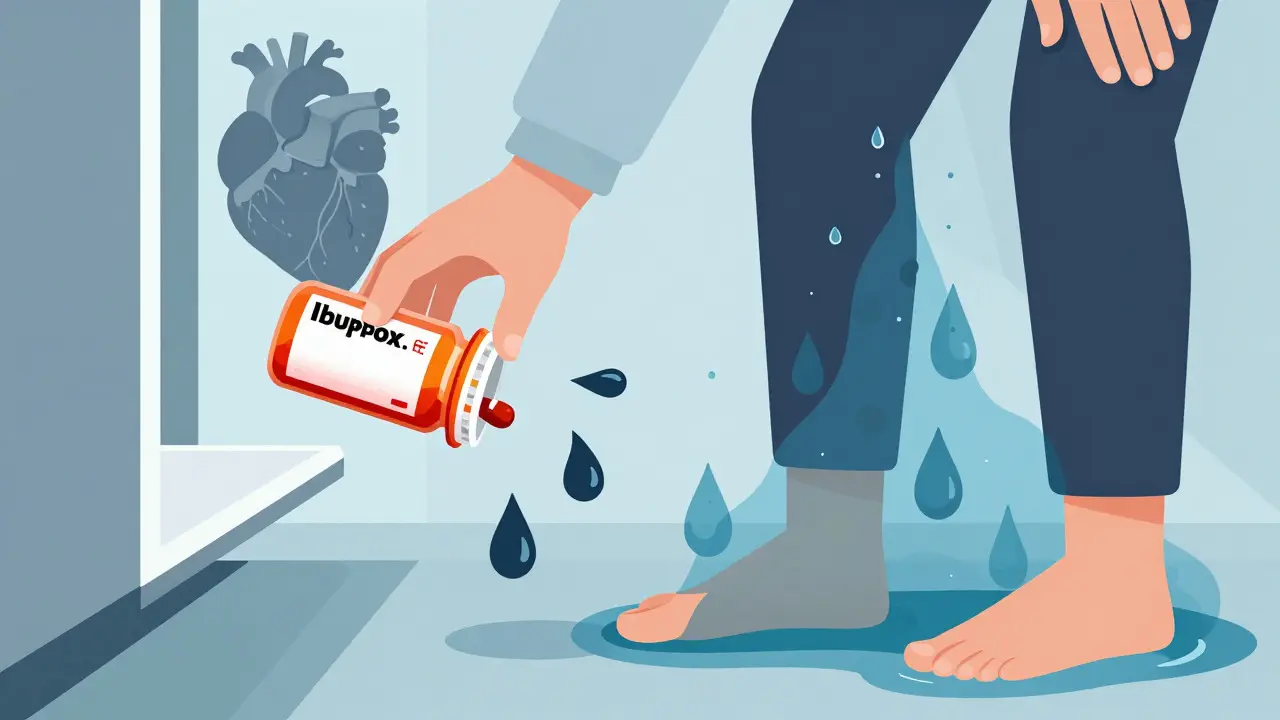
You have a dull ache in your lower back or a stiff knee. It’s an easy fix, right? You reach for the ibuprofen or naproxen sitting in your bathroom cabinet. But if you live with heart failure, this simple act can trigger a medical emergency. For millions of people managing heart failure, non-steroidal anti-inflammatory drugs (NSAIDs) are not just ineffective; they are dangerous. They disrupt the delicate balance of fluids in your body, forcing your struggling heart to work overtime. This often leads to rapid weight gain, severe swelling, and ultimately, a trip to the hospital.
The connection between these common painkillers and cardiac decompensation is well-documented but frequently overlooked by patients. Understanding why this happens-and what you can do instead-is critical for staying out of the ER.
How NSAIDs Trigger Fluid Retention
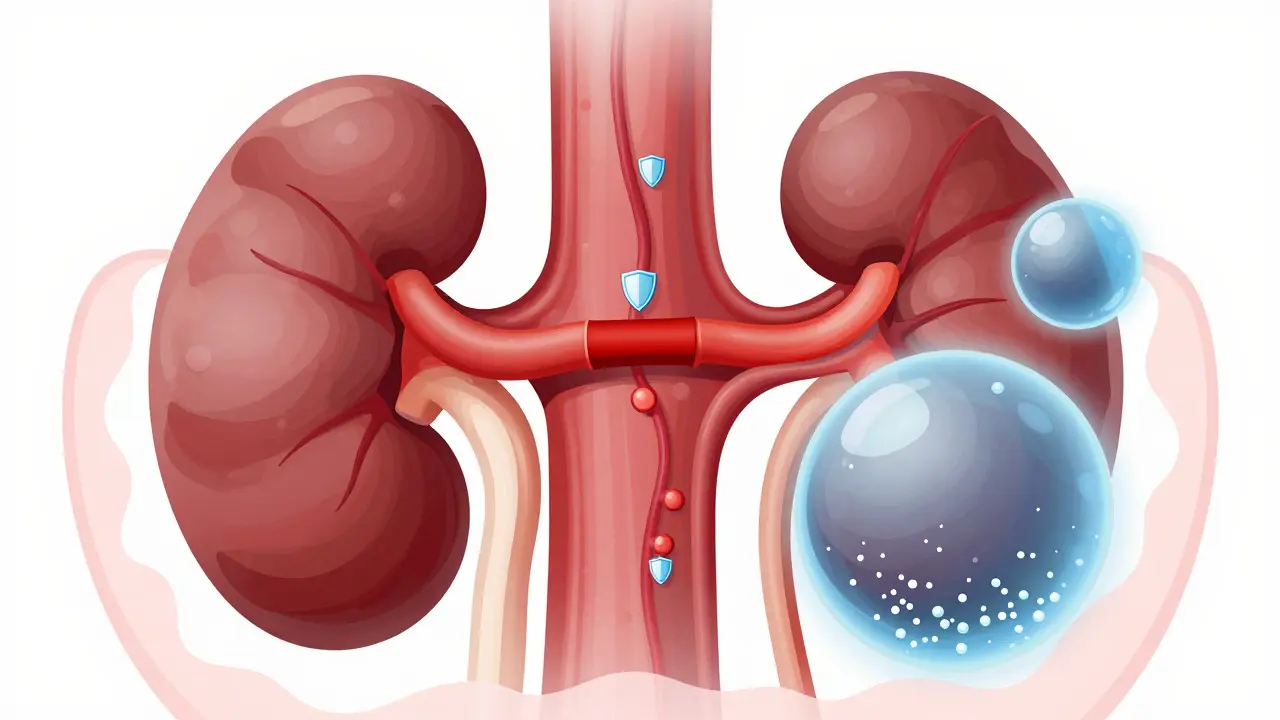
To understand the risk, we need to look at how your kidneys and heart talk to each other. Your kidneys rely on chemicals called prostaglandins to keep blood flowing freely through their filtering units. Prostaglandins help dilate blood vessels in the kidneys, ensuring that waste is filtered out and excess fluid is excreted as urine.
NSAIDs work by blocking enzymes known as cyclooxygenase (COX). While this stops pain signals, it also blocks the production of those helpful prostaglandins. When prostaglandin levels drop, the blood vessels in your kidneys constrict. This reduces renal blood flow-sometimes by 20% to 30% in susceptible patients-and lowers your glomerular filtration rate (GFR). The result? Your kidneys hold onto sodium and water instead of flushing them out.
In a healthy person, this might cause mild bloating. In someone with heart failure, where the heart is already struggling to pump blood efficiently, this extra fluid volume is catastrophic. It increases "preload," which is the pressure inside the heart chambers before they beat. The weakened heart cannot handle this sudden surge in volume. Fluid backs up into the lungs and tissues, causing shortness of breath and edema.
The Hospitalization Risk Is Real and Rapid
You might think that taking an occasional pill for a headache won’t matter. However, clinical data shows otherwise. A major 2022 study published in the European Heart Journal by Holt et al. examined a nationwide Danish cohort of patients with type 2 diabetes mellitus (T2DM). Using a case-crossover design, researchers found that even short-term exposure to NSAIDs significantly spiked the risk of heart failure hospitalization.
The odds ratios ranged from 1.24 to 1.88 depending on the specific drug and timing. The highest danger zone was the first week of use, with an odds ratio of 1.88. This means nearly double the likelihood of ending up in the hospital compared to days when no NSAIDs were taken. The drugs studied included celecoxib, diclofenac, ibuprofen, and naproxen.
Patient experiences mirror these statistics. In discussions within the r/heartfailure community, users report gaining significant weight-sometimes 10 pounds (4.5 kg)-within 72 hours of taking over-the-counter ibuprofen. One user described a terrifying onset of symptoms after just two 400mg doses, requiring immediate medical intervention. These aren't rare outliers; they are predictable physiological responses to a medication that destabilizes fluid balance.
| Drug Type | Examples | Cardiovascular Risk Profile | Impact on Renal Function |
|---|---|---|---|
| Traditional NSAIDs | Ibuprofen, Naproxen | High (Naproxen slightly lower relative risk) | Significant reduction in GFR |
| COX-2 Selective Inhibitors | Celecoxib (Celebrex) | High (Similar to traditional NSAIDs) | Significant reduction in GFR |
| Acetaminophen | Tylenol, Paracetamol | Low (No direct effect on fluid retention) | Minimal impact on renal hemodynamics |
Myth Busting: Are COX-2 Inhibitors Safer?
For years, there was hope that selective COX-2 inhibitors like celecoxib would be safer for the stomach and perhaps the heart. Early marketing suggested they spared the kidneys because they targeted inflammation more precisely. This was a misconception.
A comprehensive review by Bleumink et al. in 2003, and subsequent regulatory warnings from agencies like New Zealand's Medsafe, confirmed that COX-2 inhibitors have similar effects on renal function as traditional NSAIDs. They still inhibit prostaglandin synthesis enough to cause sodium retention and worsen heart failure. Dr. Steven E. Nissen of the Cleveland Clinic noted in a 2019 editorial that the renal effects of COX-2 inhibitors are virtually identical to traditional NSAIDs regarding fluid retention risk. No NSAID is considered completely safe for heart failure patients.
Who Is Most at Risk?
While all heart failure patients face risks, certain groups are in the danger zone:
- Elderly patients: Aging kidneys are less efficient at compensating for reduced blood flow. As Dr. Gysèle S. Bleumink emphasized, elderly patients are particularly vulnerable to renal adverse effects.
- Patients with preserved ejection fraction (HFpEF): A 2020 study in the Journal of the American Geriatrics Society found that 22.3% of HFpEF patients received NSAID prescriptions within a year of diagnosis, despite the high risk.
- Those with Type 2 Diabetes: Diabetes often coexists with kidney damage (diabetic nephropathy), making the additional insult from NSAIDs even more damaging.
- Patients on diuretics: If you are taking water pills (like furosemide) to manage fluid, NSAIDs directly counteract their effectiveness, leading to treatment failure.
Safer Alternatives for Pain Management
If NSAIDs are off the table, how do you manage pain? The answer depends on the source of the pain, but acetaminophen (paracetamol) is generally the go-to alternative for mild to moderate pain. Unlike NSAIDs, acetaminophen does not inhibit prostaglandins in the periphery, so it does not cause fluid retention or raise blood pressure.
However, acetaminophen lacks anti-inflammatory properties. If your pain stems from arthritis or inflammation, you may need other strategies:
- Topical Agents: Topical diclofenac gel absorbs minimally into the bloodstream, posing a much lower systemic risk than oral pills. Always consult your cardiologist before using even topical NSAIDs.
- Physical Therapy: Strengthening muscles around painful joints can reduce mechanical stress and pain without medication.
- Opioids (Short-term): In severe cases, doctors may prescribe low-dose opioids for a brief period. These carry their own risks (sedation, constipation) but do not affect fluid balance.
- Dosage Adjustment: If an NSAID is absolutely unavoidable (a rare scenario), guidelines recommend the lowest effective dose for the shortest duration possible, accompanied by intensive monitoring of weight and symptoms.
Practical Steps to Protect Yourself
Knowledge is your best defense. Here is how to navigate daily life with heart failure while avoiding NSAID traps:
- Read Labels Carefully: Many multi-symptom cold and flu medicines contain ibuprofen or aspirin (which acts differently but should still be discussed with your doctor). Look for "NSAID" or specific drug names on the ingredient list.
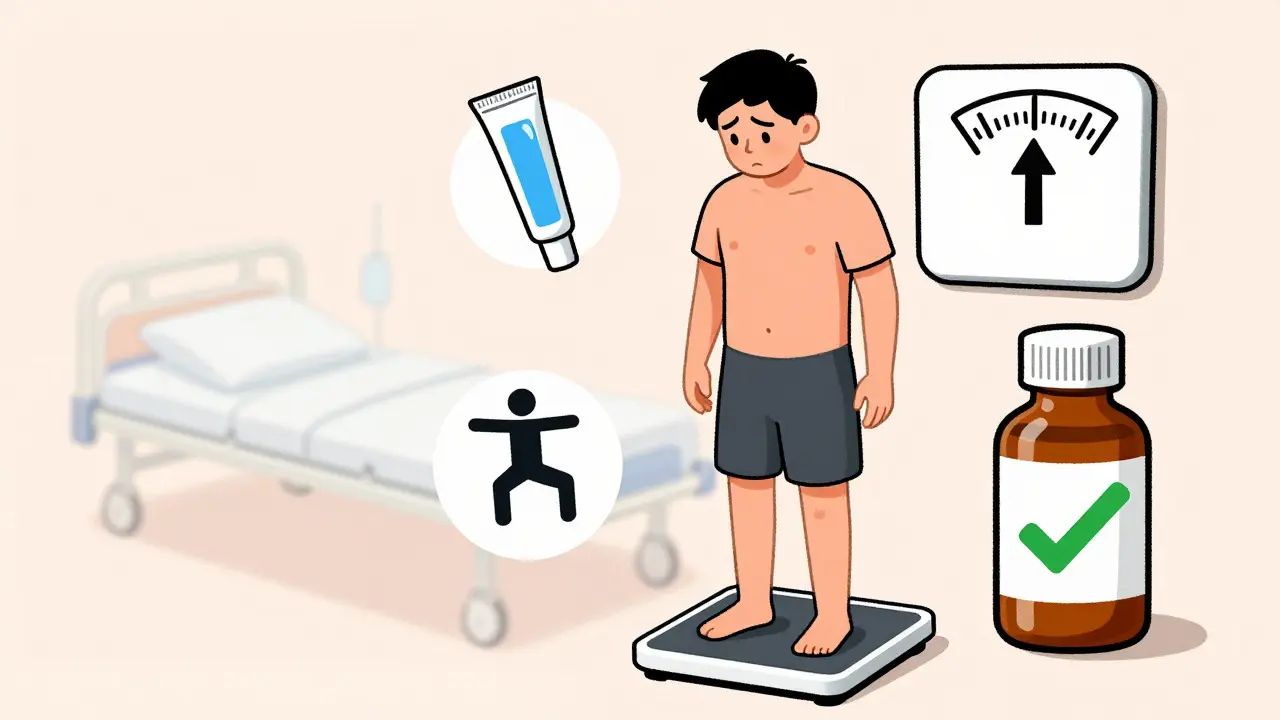
- Weigh Yourself Daily: Sudden weight gain is the earliest sign of fluid retention. If you gain more than 2-3 pounds in a day or 5 pounds in a week, contact your care team immediately. Do not wait for swelling to appear.
- Educate Family Members: Well-meaning relatives might offer you Advil for a headache. Ensure they know that for you, this could be harmful. The MedlinePlus patient instructions note that family members play a key role in monitoring medication safety.
- Review Medications Regularly: Bring a complete list of all prescription and over-the-counter drugs to every doctor's appointment. Ask specifically: "Does this interact with my heart failure medications?"
Current Guidelines and Future Outlook
The medical consensus has hardened against NSAID use in heart failure. The 2023 American Heart Association Scientific Statement designated NSAIDs as "absolutely contraindicated" in all stages of heart failure, giving them a Class III recommendation (meaning harm is proven). This is a stronger stance than previous guidelines, reflecting the accumulating evidence of harm.
Regulatory bodies have responded too. The U.S. Food and Drug Administration updated cardiovascular risk warnings on all NSAID labels in October 2020, explicitly mentioning the increased risk of heart failure. Despite this, prescribing habits lag behind. Only 43% of primary care physicians routinely screen heart failure patients for NSAID use during medication reconciliation, according to a 2021 survey. This gap highlights the need for patient advocacy-you must be your own guardian.
Future tools may help bridge this gap. The American College of Cardiology plans to release a mobile health application in Q2 2025 that includes automated NSAID risk alerts for heart failure patients. Until then, vigilance remains the gold standard.
Can I take baby aspirin if I have heart failure?
Baby aspirin (low-dose aspirin) works differently than higher-dose NSAIDs. It is often prescribed to prevent blood clots in patients with coronary artery disease. However, it can still have mild effects on renal function. Always confirm with your cardiologist whether aspirin is appropriate for your specific condition, as it is not used for pain relief in the same way as ibuprofen.
How quickly does fluid retention start after taking an NSAID?
Fluid retention can begin within 24 to 72 hours of starting NSAID therapy. Symptoms like swelling in the ankles, rapid weight gain, and shortness of breath may appear rapidly, especially if you are already on diuretics. The risk is highest during the first week of use.
Is topical diclofenac safe for heart failure patients?
Topical diclofenac has much lower systemic absorption than oral NSAIDs, meaning less drug enters your bloodstream. This makes it a potentially safer option for localized pain like arthritis. However, it is not risk-free. Consult your doctor before use, and monitor your weight closely if you decide to try it.
Why do NSAIDs make blood pressure medications less effective?
Many blood pressure medications, such as ACE inhibitors and ARBs, rely on prostaglandins to maintain kidney function and blood pressure control. NSAIDs block these prostaglandins, which can blunt the effect of your blood pressure meds and lead to elevated blood pressure, further straining your heart.
What should I do if I accidentally took an NSAID?
If you accidentally took an NSAID, stop taking it immediately. Monitor your weight twice daily and watch for signs of swelling or shortness of breath. Contact your healthcare provider to inform them of the incident. They may advise you to increase your diuretic dosage temporarily or come in for evaluation if symptoms develop.
Samuel Hershberger
August 14, 2026 AT 09:16Great breakdown of the mechanism. As a nurse, I see this all the time in the ER. People take Advil for a headache and come in three days later with pulmonary edema because their diuretics stopped working. The prostaglandin inhibition is the real killer here.
Ella Mentry
August 15, 2026 AT 04:11Oh my god, thank you for posting this! I literally just took two ibuprofen for my knee yesterday after reading about it on some random blog that said it was fine. My heart is pounding right now just thinking about it. Does anyone know if drinking like five gallons of water will flush it out? Or should I just panic? I feel so stupid. Why do doctors never tell us this stuff clearly? It’s like they’re hiding it from us or something. Anyway, thanks for saving my life probably.
Dennis Leeftink
August 15, 2026 AT 13:57This is basic biology 101. If you have heart failure, your kidneys are already compromised. Blocking COX enzymes shuts down renal blood flow. It’s not rocket science. Most people just don’t read labels because they are lazy and want quick fixes. Take Tylenol or deal with the pain. Stop whining about side effects when you ignore medical advice.
Saher Ghattas
August 15, 2026 AT 15:53Look, the mainstream narrative pushes acetaminophen as safe, but has anyone considered that pharmaceutical companies just want to sell more liver-toxic alternatives? The NSAID ban is partly a cover-up for the fact that statins and beta-blockers cause muscle pain, so they need to suppress the symptoms without admitting their drugs are the problem. Wake up. The fluid retention is a red herring; it’s about controlling the patient population through dependency on 'safer' options that destroy your liver slowly instead of your heart quickly. Big Pharma wins either way.
Samuel Hershberger
August 17, 2026 AT 07:07@Saher Ghattas That is a stretch even for Reddit. The data on NSAIDs and renal function is solid, backed by decades of pharmacology studies. Statins do cause myalgia, sure, but blaming the NSAID warning on a conspiracy is ignoring the direct physiological link between prostaglandins and glomerular filtration rate. Stick to the evidence, please.
Saher Ghattas
August 18, 2026 AT 01:08Evidence is curated by the very institutions benefiting from the status quo. Check the funding sources of those 'decades of studies.' You’re repeating the script.
Marc-Alexandre Rizzo
August 19, 2026 AT 18:23I appreciate the detailed explanation here. It’s wild how something so accessible can be so treacherous for certain conditions. I’ve always been told aspirin is different, which is nice to confirm. For those dealing with chronic pain, topical diclofenac seems like a brilliant middle ground if approved by a doc. It’s all about finding that balance between relief and risk, isn’t it?
Simon-Pierre Bouchard
August 21, 2026 AT 01:44So let me get this straight. I have a headache. I take a pill. My kidneys decide to hold onto water like it’s the apocalypse. My heart, which is already struggling, gets flooded. And then I end up in the hospital. Meanwhile, the alternative is Tylenol, which basically does nothing for inflammation. So I’m supposed to just suffer through arthritis while smiling? Thanks for the laugh, really needed that today.
Mathew Stuckey
August 22, 2026 AT 17:23Hey Simon! 😊 Don't worry, physical therapy can help a lot too! 🏃♂️💪 It’s tough, but staying active helps reduce the mechanical stress on joints. Also, try heat pads! They are amazing for stiffness. Stay positive! 🌟
Simon-Pierre Bouchard
August 22, 2026 AT 21:02Heat pads. Sure. Because sitting still with a heating pad on my swollen knee is exactly what I signed up for. But thanks for the emoji support, I guess. 🙄
Ambria St louis
August 23, 2026 AT 16:08The philosophical implication here is profound... we trade short-term comfort for long-term stability. It forces us to confront our own fragility. The body is a temple, yes, but also a fragile vessel. We must respect its limits. Do not fight the pain; understand it. Listen to the whispers before they become screams. This article is a call to mindfulness regarding our consumption habits...
jackie healey
August 25, 2026 AT 03:54As a pharmacist, I can confirm everything here! 📚 Please remember: Acetaminophen is NOT an anti-inflammatory. So if you have RA or OA flare-ups, Tylenol might not touch the pain. Topical NSAIDs (like Voltaren gel) are great because systemic absorption is <1%. BUT, check with your cardiologist first! Always weigh yourself daily! ⚖️📉 If you gain 2lbs in a day, call your doctor! 💉❤️ Stay safe everyone!
Veronica Agbanyim
August 26, 2026 AT 14:39It is morally negligent that primary care physicians only screen 43% of patients for NSAID use. This is a failure of duty. Patients are trusting these professionals with their lives, yet half of them aren't even looking at the full medication list. We need stricter regulations. Doctors should be held accountable for every interaction they miss. It’s not just a mistake; it’s a breach of trust.
Michelle Alavaski
August 26, 2026 AT 23:56One must consider the broader implications of regulatory capture. The FDA warnings mentioned in the text are merely performative gestures designed to placate public concern without altering the fundamental profit-driven structure of healthcare. The 'gap' in screening is not an oversight; it is a feature. By allowing patients to self-medicate with OTC NSAIDs, the system offloads the cost of hospitalization onto the individual while maintaining the illusion of choice. Vigilance is required, but one must question who benefits from the chaos.
Darcy Galway
August 27, 2026 AT 08:00Simple truth. Pain meds hurt hearts. Use Tylenol. Weigh yourself. Call doctor if heavy. Easy.