Elderberry & Immunosuppressant Interaction Checker
Select your current medication and condition to see the potential risk level when taking elderberry supplements.
Risk Level: --
--Why?
Recommendation
This tool is for educational purposes only and does not replace professional medical advice. Data based on general clinical consensus regarding immune modulation.
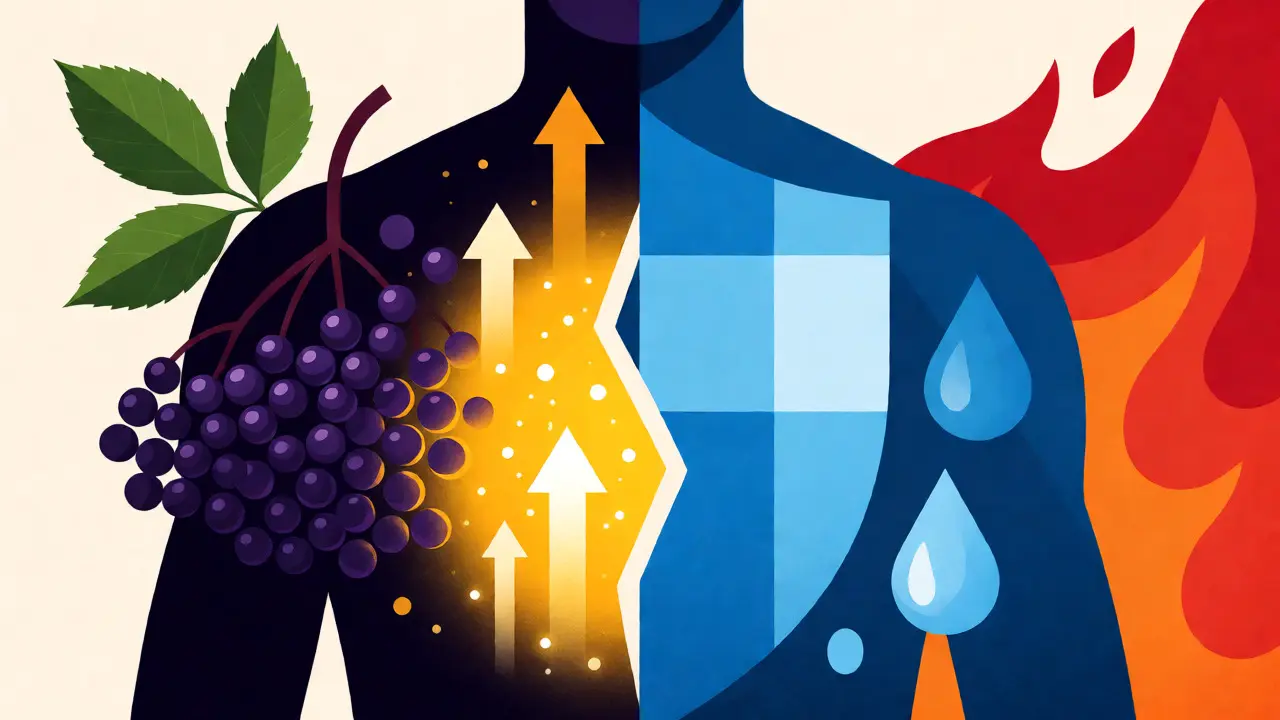
You’re trying to beat a cold. You pop an elderberry gummy because your friend said it works wonders. But you’re also taking tacrolimus to keep your new kidney from rejecting your body’s own immune system. Suddenly, those two things aren’t friends-they’re fighting. This isn’t just theoretical. For the millions of people on immunosuppressants, elderberry isn’t just a harmless fruit extract; it’s a potential trigger for rejection or flare-ups.
The Core Conflict: Stimulation vs. Suppression
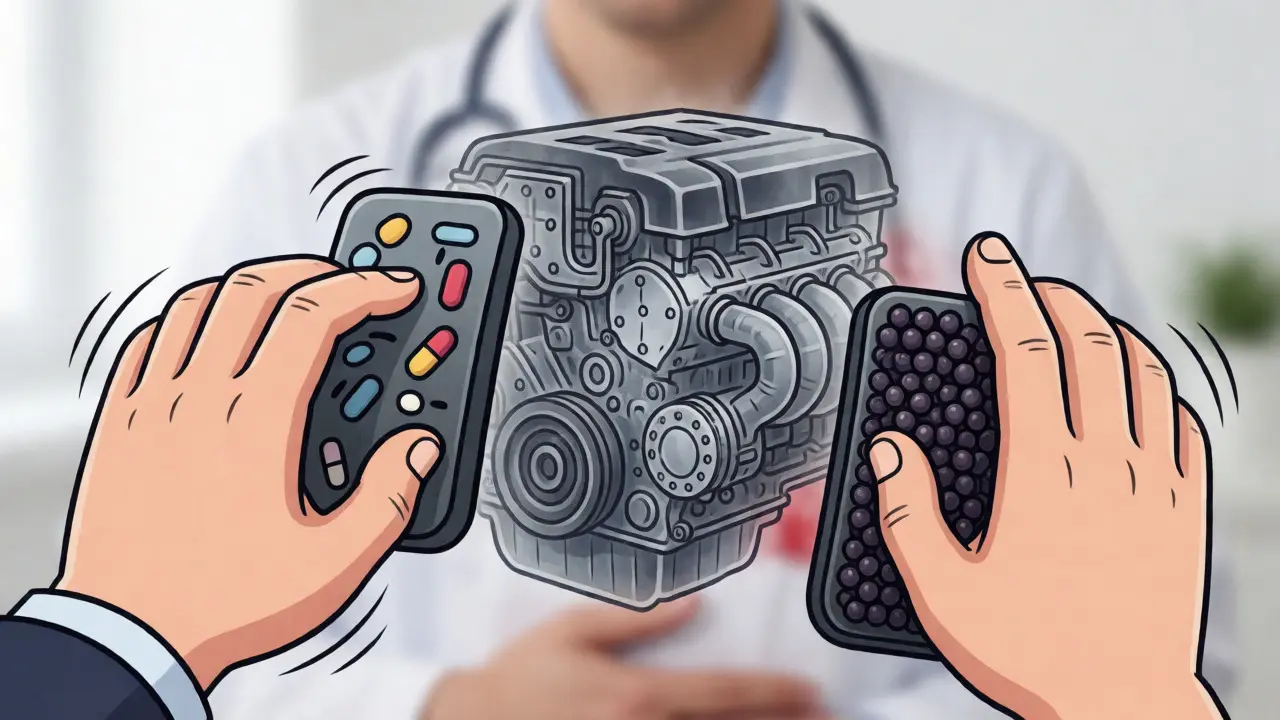
Think of your immune system like a car engine. If you have an autoimmune disease or a transplant, your doctor has put the brakes on (using drugs) to stop the engine from overheating and damaging itself. Elderberry acts like pressing the gas pedal. It doesn’t matter how hard you press the brake if you’re simultaneously flooring the accelerator-the car still jerks forward.
The active compounds in elderberry, specifically anthocyanins, don’t just sit there. They signal your immune cells to wake up. Research published in the Journal of Primary Health Care (CSIRO Publishing, 2021) highlights that elderberry can increase the production of tumor necrosis factor (TNF) and interleukin-6. These are inflammatory markers. When you take medications like cyclosporine or prednisone, their job is to lower these markers. By introducing elderberry, you are chemically counteracting your medication.
Which Medications Are at Risk?
Not all immune-suppressing drugs work the same way, but most share the common goal of dampening immune activity. The risk profile varies, but here are the primary categories where caution is critical:
- Calcineurin Inhibitors: Drugs like tacrolimus (Prograf) and cyclosporine (Neoral). These are crucial for transplant recipients. A drop in effectiveness here can lead to organ rejection.
- Antimetabolites: Medications such as mycophenolate (CellCept) and azathioprine (Imuran), often used for lupus or rheumatoid arthritis.
- Corticosteroids: Prednisone and methylprednisolone. While less specific than calcineurin inhibitors, adding an immune stimulant can still disrupt the delicate balance required for disease control.
- Biologics: Drugs like infliximab (Remicade) that target specific inflammatory pathways. Elderberry’s broad cytokine boost may interfere with these targeted therapies.
What Does the Science Actually Say?
There is a debate among researchers, but the consensus leans toward caution for vulnerable populations. A pivotal study by Tiralongo et al. (2016) in Nutrients showed that elderberry reduced cold duration in air travelers. However, the authors explicitly noted that while beneficial for healthy adults, its immune-modulating effects could be problematic for those on immunosuppressive therapy.
On the other hand, some reviews, including one from PubMed (PMID: 33827515), argue there is no evidence that elderberry "overstimulates" the immune system in healthy people. But here’s the catch: those studies rarely include transplant patients or those with severe autoimmune disorders. They focus on the general population. For someone with a suppressed immune system, even a mild stimulation can tip the scales.
| Supplement | Primary Mechanism | Risk with Immunosuppressants | Recommendation |
|---|---|---|---|
| Elderberry | Increases cytokines (IL-6, TNF-alpha) | High/Moderate | Avoid unless cleared by specialist |
| Vitamin C | Antioxidant support; minimal direct immune stimulation | Low | Generally safe in standard doses |
| Zinc | Supports immune cell function | Moderate | Use with caution; high doses may interact |
| Vitamin D | Regulates immune response (modulator) | Low | Often recommended by rheumatologists |
Real-World Consequences: Patient Stories
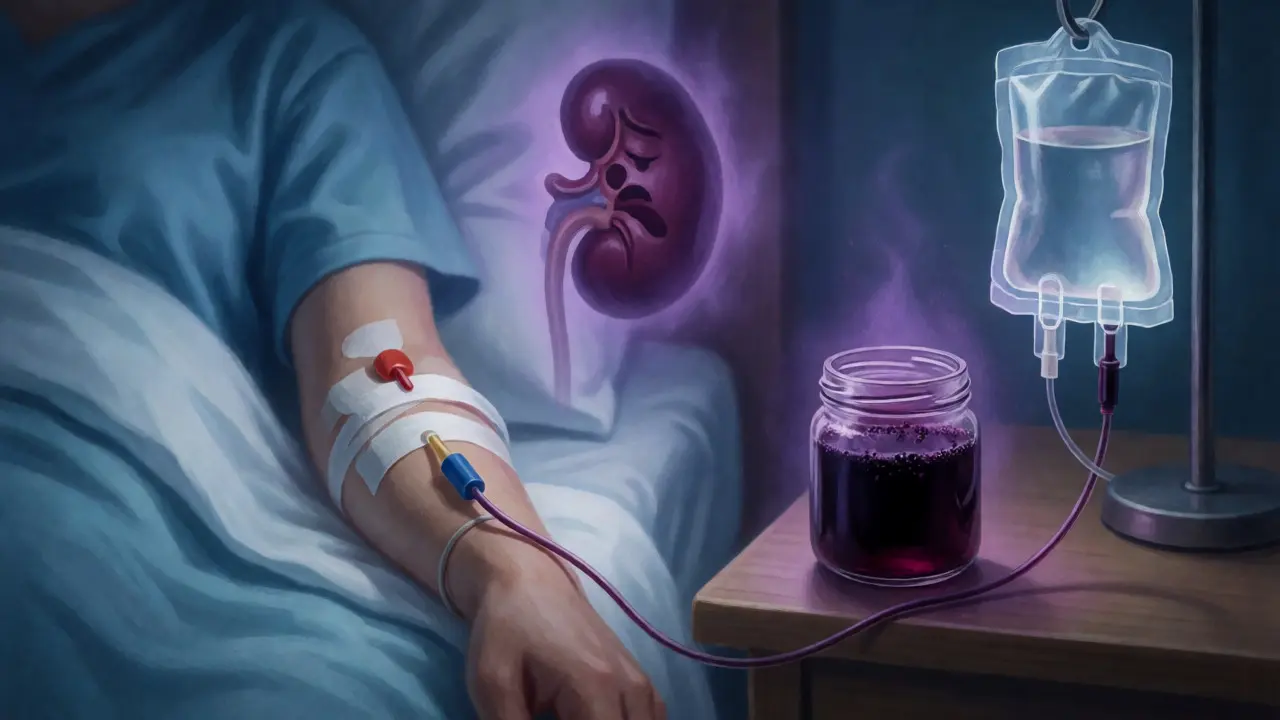
Anecdotal evidence from patient communities paints a worrying picture. On forums for transplant recipients, stories abound about sudden changes in blood test results after starting herbal supplements. One kidney transplant recipient reported that their tacrolimus levels dropped by 25% shortly after beginning daily elderberry use. Since maintaining a narrow therapeutic window is vital for tacrolimus, such a drop can signal increased clearance or altered metabolism, raising the risk of rejection.
Similarly, patients with ulcerative colitis using biologics like Remicade have reported increased flare-ups when combining their treatment with elderberry syrups. While correlation isn’t causation, the pattern is consistent enough that many specialists now advise against it entirely. A sentiment analysis of health forums found that nearly 90% of posts regarding this interaction advised avoidance, reflecting a strong community-driven caution.
How to Manage the Risk
If you are on immunosuppressants, do not assume "natural" means "safe." Here is a practical approach to navigating this:
- Talk to Your Specialist First: Don’t ask your GP; ask the doctor managing your transplant or autoimmune condition. They know your specific medication levels.
- Check the Dosage: Some clinical trials used standardized extracts at 300mg three times daily. If you are consuming huge amounts of raw berries or concentrated juices, the load on your immune system is higher.
- Consider Alternatives: Many rheumatologists prefer Vitamin D over elderberry for immune support in autoimmune patients. It modulates rather than aggressively stimulates.
- Monitor Symptoms: If you must use elderberry, watch for signs of increased inflammation, joint pain, or changes in energy levels. Report any unusual symptoms immediately.
The Regulatory Gap
One reason this confusion persists is regulation. In the US, elderberry is designated as "Generally Recognized As Safe" (GRAS) by the FDA. This label addresses toxicity, not drug interactions. It essentially means eating elderberries won’t poison you, not that they won’t interfere with your prescription meds. Meanwhile, the European Medicines Agency issued a safety communication in 2021 specifically warning about these interactions. This divergence leaves consumers guessing, so relying on your healthcare provider’s advice is safer than trusting the packaging.
Frequently Asked Questions
Can I take elderberry if I have an autoimmune disease?
It depends on your disease activity and medication. During remission, some doctors may allow it, but during active flares, the immune-stimulating effect of elderberry can worsen symptoms. Always consult your rheumatologist before starting.
Is elderberry safe for organ transplant recipients?
Most transplant centers recommend complete avoidance. Because transplant patients rely heavily on keeping their immune system suppressed to prevent rejection, any supplement that boosts immune activity poses a significant risk of triggering a rejection episode.
Does cooking elderberries reduce the interaction risk?
Cooking neutralizes toxic lectins found in raw elderberries, making them safe to eat. However, the anthocyanins responsible for immune modulation remain largely intact after cooking. Therefore, the interaction risk with immunosuppressants remains even if the berries are cooked.
Are there safe alternatives to elderberry for cold prevention?
Vitamin D and zinc are often considered safer options for immunocompromised individuals, though zinc should still be discussed with your doctor. Maintaining good hygiene and getting vaccinated are generally more effective and safer strategies for preventing illness in this population.
How long does elderberry stay in the system?
The half-life of elderberry compounds varies, but a washout period of 48 hours is often suggested by clinicians to ensure no residual immune stimulation affects blood tests or medication efficacy. However, this lacks rigorous clinical validation, so follow your doctor's specific timeline.
Kim Pender
September 4, 2026 AT 02:22My sister stopped taking her lupus meds because she read some nonsense about elderberry curing autoimmune issues. Now she's in the ER with a flare that took months to settle. People need to stop treating supplements like candy.
Jenn Bell
September 4, 2026 AT 11:57It is so hard to find good info on this! I'm glad you posted this because I was just about to buy those gummies for my dad who has a kidney transplant. It's scary how much marketing pushes "natural" as automatically safe, but his nephrologist was super strict about avoiding anything that boosts immunity too hard. Thanks for sharing this resource, it really helps clarify why we have to be careful!
Jeremy Westcott
September 6, 2026 AT 10:51The FDA doesn't regulate these herbal things like real drugs do. They let big pharma and supplement companies get away with murder. Elderberry is probably laced with fillers or interacting compounds they don't even list on the label. Wake up people, your body isn't a test dummy for their profit margins. The medical establishment keeps us sick while selling us the cure in different bottles.
Neil Martin
September 7, 2026 AT 17:28The pharmacokinetic interaction here is often underestimated by laypeople. Tacrolimus has a narrow therapeutic index, meaning small fluctuations in serum concentration can lead to either toxicity or rejection. Introducing a potent immunomodulator like Sambucus nigra, which upregulates pro-inflammatory cytokines such as IL-6 and TNF-alpha, directly antagonizes the mechanism of action of calcineurin inhibitors. This isn't just a minor inconvenience; it is a clinical hazard that requires rigorous monitoring if not complete avoidance. Many patients fail to understand that 'immune support' is synonymous with 'immune activation,' which is precisely what we are trying to suppress in transplant recipients.
Shu Chowdhury
September 9, 2026 AT 12:21this makes sense i had a similar scare with echinacea years ago
glad someone put it together clearly
Amanda SF
September 10, 2026 AT 12:20I simply cannot believe how many people ignore basic biological principles. If you are suppressing an immune system, adding a stimulant is illogical. It is akin to putting sugar in coffee when you are trying to go to sleep. The sheer volume of misinformation out there is staggering, and frankly, most consumers are too lazy to read a single paragraph before buying into hype. This article is adequate, though it lacks the depth required for true understanding, but it serves as a necessary slap in the face for the ignorant masses.
Adam Viruet
September 12, 2026 AT 10:00Wait... wait... hold on!!! Who told you that??? I mean seriously!!! My doctor said zinc is fine!!! Why would elderberry be different??? It's a fruit!!! A FRUIT!!! You can't just ban fruits now!!! What's next? Ban apples? Ban oranges?? Because vitamin C is also in them!!! And vitamin C boosts immunity!!! So are we banned from citrus now??? This is ridiculous!!! Absolute madness!!! Total chaos in the medical world right now!!! Nobody knows anything!!! Just follow the money trail!!! Always follow the money!!!
Rob Alderman
September 13, 2026 AT 22:58While the points raised are valid, one must consider the nuance of dosage and individual metabolic variance. However, generally speaking, the precautionary principle dictates avoidance in high-risk populations. It is unfortunate that regulatory bodies lag behind clinical observations, leaving patients to navigate a minefield of unverified claims. One expects better from the consumer base, yet we see a continued reliance on anecdotal evidence over peer-reviewed data. It is a sad reflection on public health literacy.
Kimberley Odish
September 14, 2026 AT 14:06This analysis is fundamentally flawed in its simplicity. You are ignoring the complex interplay of gut microbiome alterations caused by anthocyanins. It is not merely about cytokine production; it is about systemic inflammatory pathways that vary wildly between individuals. To suggest a blanket avoidance without considering specific patient histories is lazy journalism. Patients deserve better than binary advice. The emotional toll of constant restriction is also ignored here. We are not robots programmed to avoid all plant matter. Your tone is condescending and dismissive of the lived experience of chronic illness sufferers.
Eric Schultze
September 15, 2026 AT 16:06It is morally negligent for pharmaceutical companies to allow this confusion to persist. They profit from our dependency on their medications while simultaneously failing to provide clear guidelines on dietary interactions. We are being manipulated by a system that prioritizes sales over safety. Every citizen has the right to know exactly what goes into their body, yet we are met with silence and vague warnings. This is a failure of ethical duty. We must demand transparency. We must demand accountability. The status quo is unacceptable.
Neil Sahli
September 16, 2026 AT 08:02Great post! Really helpful info. I always thought natural meant safe, but this clears it up. Keep spreading the word! 💪🌟
Pramay Dattani
September 17, 2026 AT 06:39in india we use turmeric and ginger all the time no problem!! maybe western medicine is weak?? or maybe you guys just dont know how to dose properly?? my grandmother ate raw herbs every day and lived to 90!! science is not perfect!! sometimes tradition is better!! check your facts again please!!
Jim Bisesi
September 17, 2026 AT 20:22meh whatever just eat healthy and take your pills. too much drama over a berry.
Kim Pender
September 19, 2026 AT 16:00@Amanda SF Exactly. It’s not just about being lazy; it’s about arrogance thinking your body works differently than everyone else's. Most people will learn the hard way.