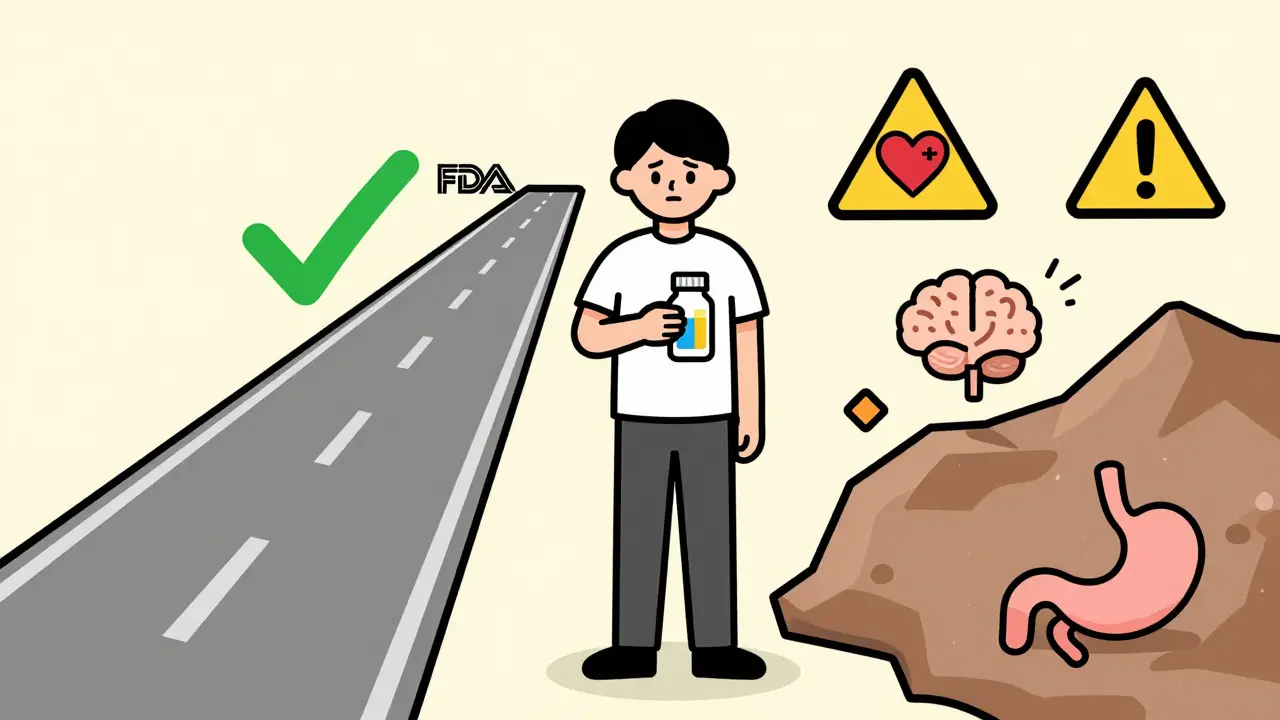
What the FDA says vs. what patients experience
Most people assume generic medicationsdrugs that contain the same active ingredients as brand-name versions but are sold at lower prices are exactly the same as brand-name versions. The FDAU.S. Food and Drug Administration requires generics to have the same active ingredients and meet bioequivalencea measure of how similar a generic drug's absorption is to the brand-name drug standards. But here's the catch: while most generics work fine, some patients experience serious issues after switching. For example, a 2019 study in BMJ Open found that switching between generic versions of the same drug increased hospitalization risk by 12.3% in just 30 days. That's a real problem.
Dr. Lenard A. Guttman, a clinical pharmacy professor, puts it plainly: "About 30-40% of my ADHD patients notice significant differences when switching between generic manufacturers. Symptoms often return or new side effects pop up within 24-72 hours." Meanwhile, the FDA maintains that generics are therapeutically equivalent for the general population. So why the disconnect? It comes down to specific drug types and individual body chemistry. For medications like ADHD medicationsdrugs used to treat attention deficit hyperactivity disorder, such as Adderall, different manufacturers use proprietary delivery systems that can alter how the drug is released into your body.
High-risk drug categories
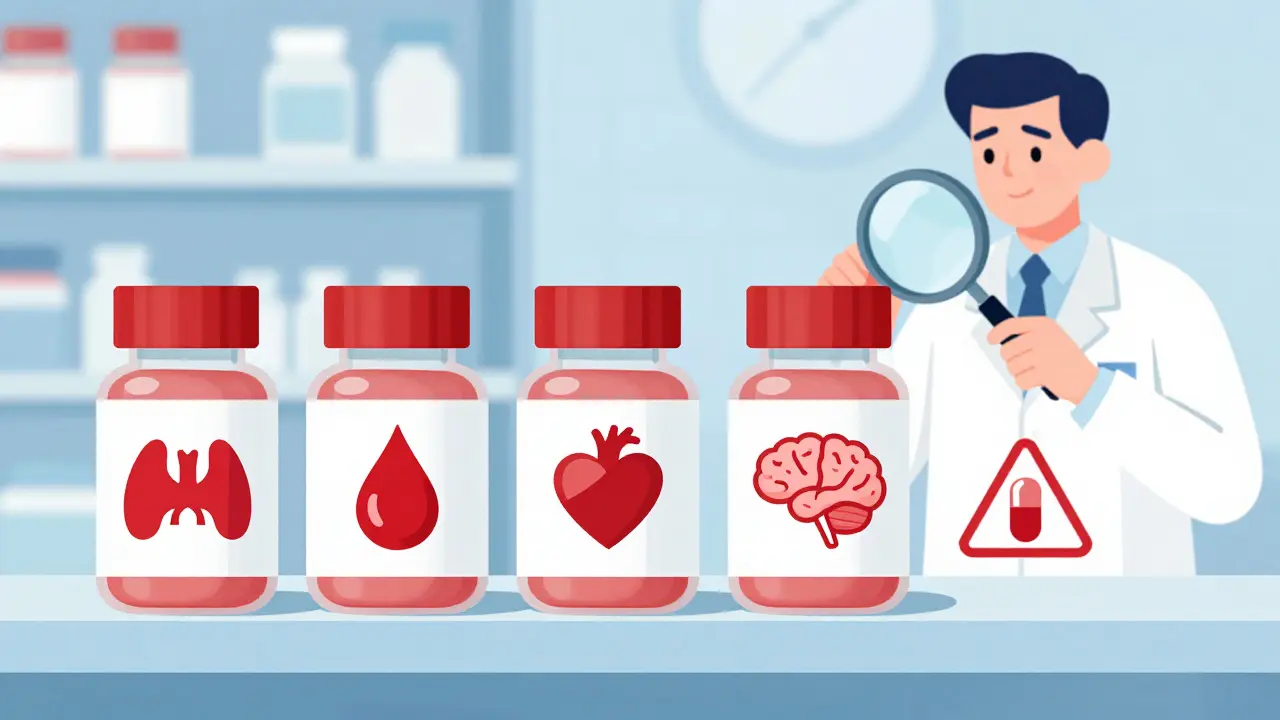
Not all medications are created equal when it comes to switching. The FDA and experts agree on five drug classes where switching generics can be risky:
- levothyroxinea thyroid hormone replacement drug: With 12 approved generic manufacturers, even small changes in formulation can cause symptoms like fatigue, weight changes, or heart palpitations. A 2021 study found patients switching levothyroxine generics were 37% less likely to experience issues when pharmacists provided counseling.
- warfarina blood thinner: This narrow therapeutic indexa small difference in dosage can lead to treatment failure or toxicity drug requires precise dosing. Switching generics can cause dangerous bleeding or clotting risks.
- tacrolimusan immunosuppressant for organ transplants: Even tiny changes in blood levels can lead to organ rejection or toxicity. Studies show switching tacrolimus generics increases rejection risk by 15-20%.
- antiepileptic drugsmedications for seizure control: A 2021 survey of neurologists found 68.7% believe generic switches increase breakthrough seizures. For patients with hard-to-control epilepsy, this can be life-threatening.
- extended-release psychiatric medicationslike bupropion XL or venlafaxine ER: Different release mechanisms can cause mood swings, anxiety, or loss of symptom control.
For these drugs, the FDA permits up to 20% variation in absorption between generics. But for narrow therapeutic indexa small difference in dosage can lead to treatment failure or toxicity drugs, the allowable difference is stricter-only 10-15%. Yet even that small variation can cause real problems for some people.
Real-world impact: studies and patient stories
It's not just theory-real people face consequences. A 2023 analysis of 1,437 patient records found 67% identified medications by physical traits like color and shape. When those changed due to switching, 11.5% experienced medication duplication, leading to side effects like serotonin syndrome in one case. On Reddit's ADHD community, a thread titled "Generic Adderall Switch Ruined My Life" had 842 comments. Most reported symptoms returning within 24 hours or new anxiety and insomnia.
MedShadow's 2022 survey of 1,247 patients taking generic ADHD meds found 63.2% noticed decreased efficacy after a manufacturer switch. Common side effects included headaches (28.4%), increased anxiety (22.1%), and stomach issues (19.3%). Meanwhile, a 2018 study in Frontiers in Oncology found switching GnRH agonists for prostate cancer treatment increased treatment discontinuation by 27.4% and adverse events by 19.8%.
These stories contradict the FDA's stance that generics are equivalent for most people. But for specific drugs and individuals, the differences matter.
Why switching happens: the economics behind the scenes
Here's the uncomfortable truth: most generic switches aren't about patient health-they're about money. Pharmacy benefit managers (PBMs) like CVS Caremark and Express Scripts operate rebate systems that incentivize pharmacies to switch manufacturers monthly based on which supplier offers the highest rebates. A 2022 Senate investigation found PBMs change preferred generic manufacturers an average of 4.7 times per year per drug.
This affects 187 million Americans with prescription coverage. For example, levothyroxine has 12 approved generic manufacturers, and PBMs often rotate them to maximize rebates. A 2023 IQVIA report showed switching rates vary by drug class: 89.3% for cardiovascular drugs, 82.7% for diabetes meds, and 76.4% for psychiatric medications. This constant churn creates instability, especially for patients on high-risk drugs.
What you can do: practical steps to protect yourself
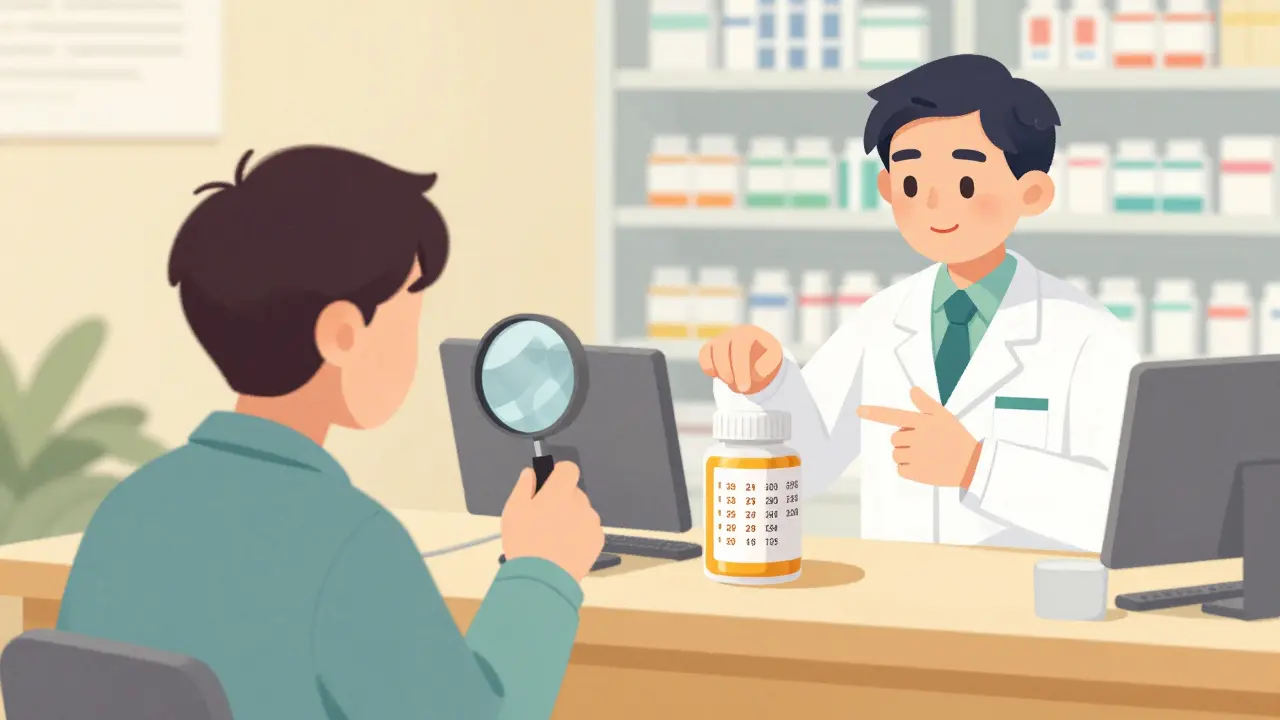
Don't wait for problems to happen. Here's how to stay in control:
- Check the manufacturer name on your pill bottle. The National Drug Code (NDC) number includes manufacturer info. Ask your pharmacist to show you the NDC when you pick up your prescription.
- Ask for "dispense as written" (DAW-1) on prescriptions for high-risk drugs. This tells pharmacies to use the brand-name drug or a specific generic. According to 2022 Surescripts data, DAW-1 is used for 23.7% of levothyroxine prescriptions.
- Keep a medication log. Track changes in effectiveness or side effects within 72 hours of a refill. The American College of Clinical Pharmacy recommends this for narrow therapeutic indexa small difference in dosage can lead to treatment failure or toxicity drugs.
- Talk to your pharmacist. A 2021 study found patients who received pharmacist-led counseling were 37% less likely to experience adverse outcomes after switching.
University of Michigan Health System's "medication fingerprinting" program reduced switching-related adverse events by 52.3% by maintaining consistent manufacturers for high-risk medications. You can request the same manufacturer each time you refill.
Recent changes and future outlook
Regulators are starting to listen. In 2020, the FDA launched its Complex Generic Products Initiative with a $15.7 million annual budget to improve testing for tricky drugs like inhalers and topical steroids. In 2023, Medicare Part D plans were required to limit generic manufacturer changes to no more than twice per year, which CMS projects will reduce adverse events by 31.4%.
Also, the American Society of Health-System Pharmacists updated guidelines in January 2024, recommending against automatic substitution for 17 specific drugs including bupropion XL, tacrolimus, and phenytoin. Research continues too-a 2024 study found CYP2D6 poor metabolizers have a 4.2-fold higher risk of treatment failure when switching antidepressants.
With an estimated $2.1 billion in preventable hospitalizations yearly, the healthcare system is slowly shifting toward patient-centered switching practices. But industry resistance remains strong due to the $165 billion annual savings from generic medications. For now, staying informed and proactive is your best defense.
Are all generic medications the same as brand-name drugs?
No. While generics must contain the same active ingredients as brand-name drugs, they can differ in inactive ingredients and manufacturing processes. The FDA requires bioequivalence (80-125% absorption), but for certain drugs like those with narrow therapeutic indices, these differences can lead to serious issues.
Which medications have the highest risk when switching to generics?
The highest risk drugs include levothyroxine (thyroid medication), warfarin (blood thinner), tacrolimus (immunosuppressant), antiepileptic drugs, and extended-release psychiatric medications. These have narrow therapeutic indices where small changes in dosage can cause treatment failure or toxicity.
What symptoms should I watch for after switching to a generic?
Symptoms vary by drug. For thyroid medication, watch for fatigue, weight changes, or heart palpitations. Blood thinners like warfarin may cause unusual bruising or bleeding. Antiepileptic switches can lead to breakthrough seizures. ADHD meds might cause return of symptoms, anxiety, or insomnia. If you notice new or worsening symptoms within 72 hours of switching, contact your doctor immediately.
Can I ask my pharmacist for a specific generic manufacturer?
Yes. Pharmacists can often accommodate requests for specific manufacturers if available. Ask for the National Drug Code (NDC) number on your prescription to track the manufacturer. For high-risk drugs, requesting "dispense as written" (DAW-1) ensures you get the exact medication your doctor prescribed.
How often do generic manufacturers change?
Pharmacy benefit managers (PBMs) change preferred generic manufacturers an average of 4.7 times per year per drug. This means you might receive different manufacturers monthly, especially for cardiovascular, diabetes, and psychiatric medications. Keeping track of your medication's NDC number helps you spot these changes.
What is a 'dispense as written' code?
DAW-1 (dispense as written) is a code that tells pharmacies to fill your prescription exactly as written by your doctor-either the brand-name drug or a specific generic. This prevents automatic substitution. For high-risk drugs like levothyroxine, 23.7% of prescriptions use DAW-1 according to 2022 data.
Why do pharmacies switch generic manufacturers?
PBMs incentivize switches based on rebates. When a manufacturer offers higher rebates, pharmacies switch to that version to maximize profits. This happens regardless of patient needs and can occur monthly for some drugs. A 2022 Senate report found PBMs change manufacturers 4.7 times annually per drug on average.
Are there recent changes to address these issues?
Yes. In 2023, Medicare Part D plans were required to limit generic manufacturer changes to no more than twice per year. The FDA's Complex Generic Products Initiative is improving testing for tricky drugs. Also, the American Society of Health-System Pharmacists now advises against automatic substitution for 17 specific drugs.
What should I do if I experience side effects after switching?
Contact your doctor immediately. Keep a log of symptoms and when they started. Bring your medication bottle to show the manufacturer name and NDC number. Your doctor may request a "dispense as written" prescription or switch to the brand-name drug if necessary. Do not stop taking the medication without medical advice.
Can I track which manufacturer I'm getting?
Yes. Ask your pharmacist for the National Drug Code (NDC) number on your prescription bottle. This 11-digit code includes manufacturer information. You can also check online databases like the FDA's NDC Directory to verify the manufacturer. Keeping a log of NDC numbers helps you spot changes between refills.
Mark Harris
February 7, 2026 AT 02:13Check the NDC code every time.
Savannah Edwards
February 7, 2026 AT 08:43Hey Mark, thanks for sharing. As someone who's been on multiple medications for years, I totally get what you mean.
I remember when my doctor switched my levothyroxine from one generic to another, and I had this weird fatigue and heart palpitations for weeks.
It took a while to figure out it was the switch.
The FDA says generics are equivalent, but for drugs like thyroid meds, even tiny differences in inactive ingredients can throw off your whole system.
I've learned to always check the NDC number on the bottle and ask my pharmacist to let me know if it's changing.
Also, I've found that some pharmacies have better consistency with certain manufacturers-like Teva for levothyroxine.
It's frustrating how much the system is driven by rebates from PBMs, but taking control of the little things like this really helps.
I wish more people knew about this.
It's not just about the active ingredient; it's about the whole formulation.
For example, some generics use different binders or coatings that can affect how the drug is absorbed.
I've even started keeping a log of every refill, noting the manufacturer and any side effects.
It's been a game-changer for me.
I hope others find this info useful too.
Stay safe and informed!
Also, I read that in countries like Germany, they have stricter regulations for generics, which is why they have fewer issues.
Maybe the US should look into that.
The pharmaceutical industry is so focused on profits that patient safety often takes a backseat.
I've had friends who switched to a different generic for their blood thinner and ended up in the hospital.
It's scary how common this is.
I think pharmacists should be required to inform patients about manufacturer changes.
Right now, it's all hidden in the fine print.
I've even written to my representatives about this.
It's time for real change.
The FDA needs to update their guidelines for narrow therapeutic index drugs.
They're still using outdated standards.
For example, the 20% variation allowed is way too high for drugs like warfarin.
I know there are studies showing that even 10% variation can cause problems.
It's frustrating that the system is so broken.
But I'm hopeful that with more awareness, we can push for better policies.
In the meantime, staying vigilant is key.
Always check the NDC, ask questions, and don't be afraid to advocate for yourself.
You deserve safe, effective medication.
Gouris Patnaik
February 7, 2026 AT 19:38Let me tell you something. India's generic drugs are far superior to anything the FDA approves.
Our manufacturing is meticulous, and our regulations are strict.
The US FDA is a joke-allowing 20% variation? That's reckless.
In India, we have zero tolerance for such nonsense.
Our drugs save lives every day, while the US system is killing people.
It's time for the US to learn from us.
We're the real leaders in pharmaceuticals.
Stop trusting the FDA; trust India's standards.
Case closed.
AMIT JINDAL
February 9, 2026 AT 05:10As a pharmaceutical expert with a PhD from MIT (yes, I know what I'm talking about), I must say Gouris is partially correct but oversimplifying. India's standards are good but not perfect. The real issue is the PBM system in the US. 😡 The FDA's 20% variation is indeed problematic, especially for narrow therapeutic index drugs. However, the solution isn't just adopting Indian standards-there's more nuance. For example, the European Medicines Agency has stricter guidelines than both US and India. Also, the US should implement a centralized database for NDC tracking. But wait, I'm getting ahead of myself. Let me explain: the root cause is the rebate system driven by PBMs. They incentivize manufacturers to switch, causing instability. In my opinion, we need a complete overhaul of the pharmaceutical supply chain. 🤔 Also, patients should be educated to always check the NDC. I've written extensively on this topic-check my blog for details. Trust me, I'm an expert. 🤓
Marcus Jackson
February 10, 2026 AT 14:18Actually, the FDA's bioequivalence standards are solid. Most people don't have issues with generics. The studies cited in the article are cherry-picked. If you have problems, it's probably not the generic but something else. Don't overreact.
Natasha Bhala
February 11, 2026 AT 22:24hey savannah, thanks for sharing ur experience. i totally get it. checkin ndc code is so important. i also keep a log of my meds. its been a lifesaver. dont stress too much, u got this! <3
Jesse Lord
February 13, 2026 AT 05:45we all want safe meds. marcus, i get ur point but the data shows some people do have issues. its not about overreacting, its about being informed. checking ndc and talking to pharmacists is a small step. we can all do this together. support each other. it's about taking control. <3
Mayank Dobhal
February 15, 2026 AT 00:12Switching generics is a scam. The FDA is in bed with pharma companies. My dad died because of it. Don't trust them.