Diabetes Medication & Ginseng Risk Calculator
Calculate Your Risk
Can Ginseng Lower Your Blood Sugar Too Much?
If you’re taking medication for type 2 diabetes and thinking about adding ginseng to your routine, stop for a second. This isn’t just another herbal supplement you can toss into your daily mix. Ginseng can seriously affect your blood sugar-sometimes in ways you won’t notice until it’s too late.
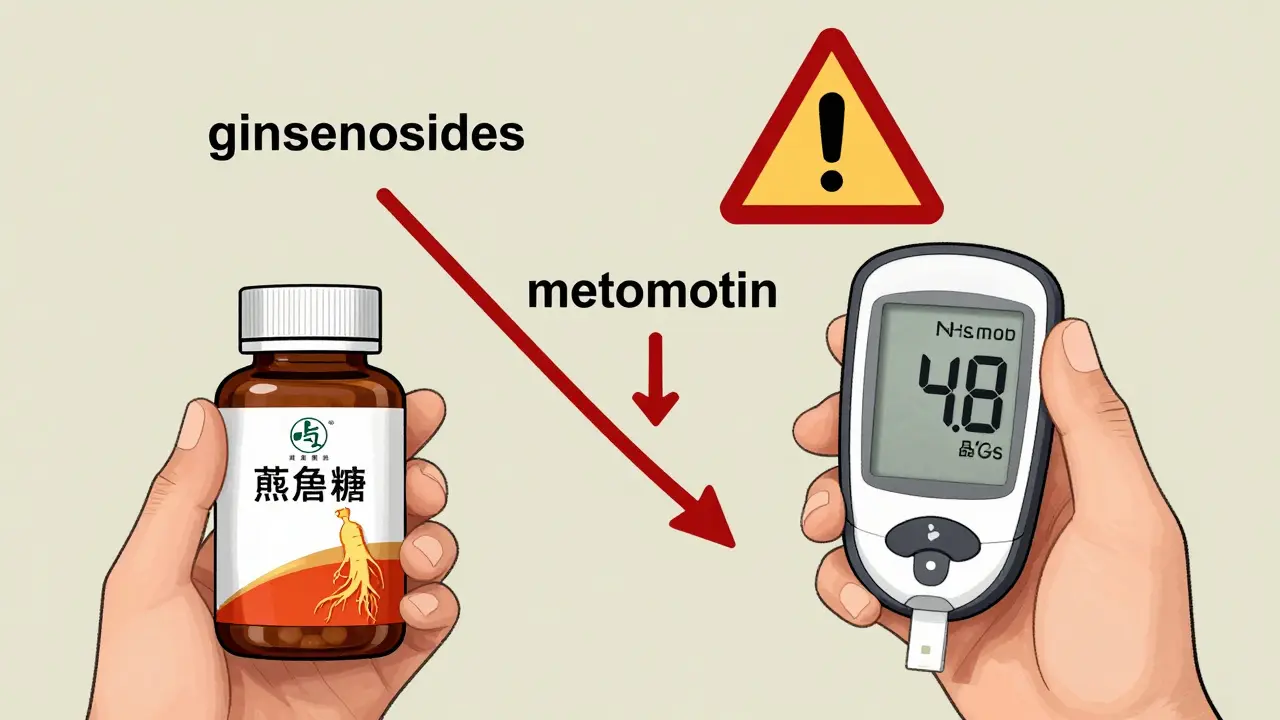
Thousands of years of traditional use in Asia have given ginseng a reputation as a natural energy booster and immune helper. But modern research shows it’s also a powerful player when it comes to blood sugar control. The active ingredients, called ginsenosides, work by helping your pancreas release more insulin, improving how your cells take up glucose, and reducing inflammation that makes insulin less effective. Sounds great, right? Maybe. But here’s the catch: if you’re already on metformin, sulfonylureas, or insulin, ginseng doesn’t just add to your health routine-it can multiply your risk of low blood sugar.
What Does the Science Actually Say?
A 2020 review of clinical trials published in PubMed Central looked at 12 studies involving people with type 2 diabetes who took either American ginseng (Panax quinquefolius) or Asian ginseng (Panax ginseng). The results were consistent: ginseng lowered fasting blood sugar by an average of 0.71 mmol/L. That’s not a huge drop, but it’s enough to matter-especially if your blood sugar is already well-controlled.
One study gave 3 grams of American ginseng daily for 12 weeks to 74 diabetic patients. Their blood sugar dropped, but their liver and kidney tests stayed normal. No major side effects. Sounds safe? Not quite. That same study only had 74 people. Most trials used fewer than 100 participants and lasted less than three months. We don’t know what happens after six months or a year. We don’t know how ginseng affects people with kidney disease, heart problems, or those taking multiple medications.
The American Academy of Family Physicians called the evidence “modest” and “limited.” That’s not a dismissal-it’s a warning. The effect is real, but unpredictable.
Why This Isn’t Like Taking a Vitamin
Most supplements you buy at the store are standardized-meaning every pill has the same amount of active ingredient. Ginseng isn’t. A capsule labeled “500 mg ginseng” could contain anything from 1% to 10% ginsenosides. One brand might be strong. Another might be weak. And some? Might not even have real ginseng at all.
The FDA doesn’t regulate herbal supplements like it does prescription drugs. That means quality control is up to the manufacturer. A 2023 report from the Cleveland Clinic points out that this lack of oversight makes dosing a guessing game. You might take what you think is a low dose-and end up with dangerously low blood sugar because the product was stronger than expected.
And don’t assume “natural” means safe. Ginseng can cause headaches, insomnia, high or low blood pressure, nausea, and even vaginal bleeding in some women. It also interacts with blood thinners, antidepressants, and even some cancer drugs. If you’re on more than one medication-which most people with type 2 diabetes are-adding ginseng could set off a chain reaction.
How Ginseng Interacts With Your Diabetes Meds
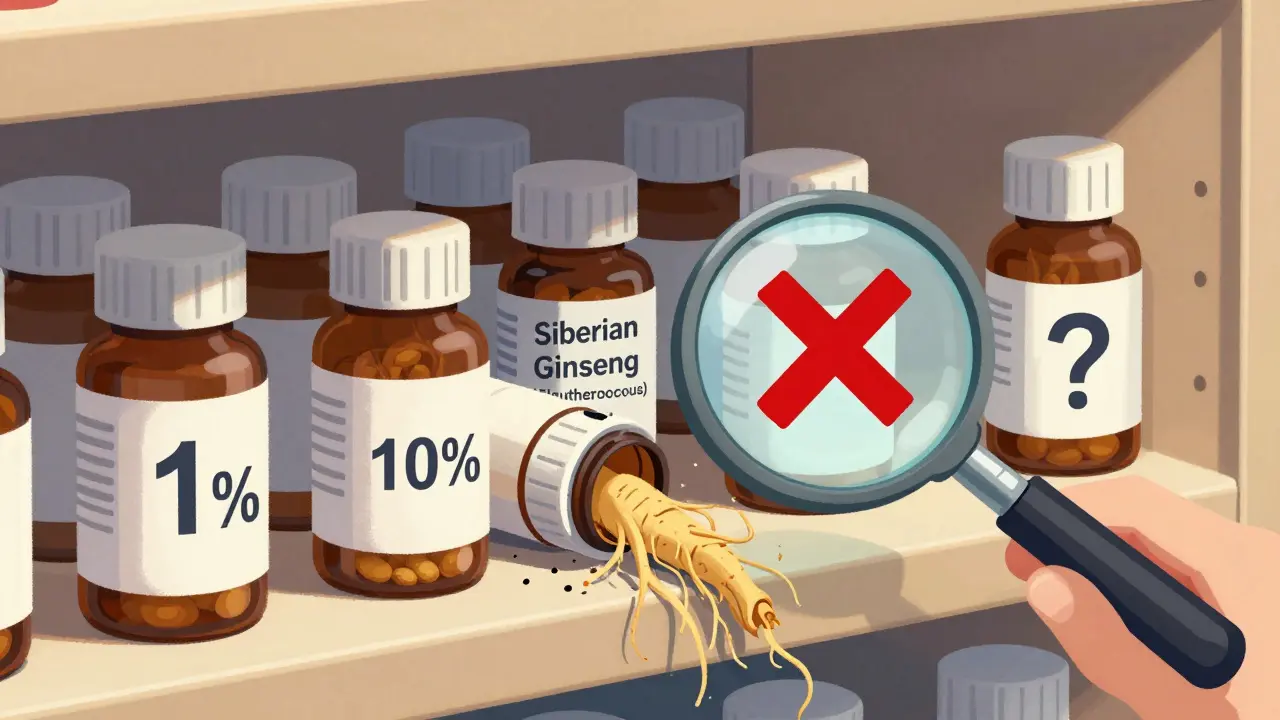
Let’s say you’re on metformin. Your doctor picked it because it lowers blood sugar without causing hypoglycemia. Now you start taking ginseng. Ginseng also lowers blood sugar. The two together? That’s a double hit. Your blood sugar can drop faster than you can react.
Insulin users are at even higher risk. One study showed patients on insulin who took ginseng had three times more episodes of low blood sugar than those who didn’t. Symptoms? Sweating, shaking, confusion, dizziness. If you’re driving, working, or alone, that’s dangerous.
WebMD and the Merck Manual both warn: ginseng can make your diabetes meds work too well. That’s not a bonus-it’s a medical emergency waiting to happen.
And it’s not just oral meds. Liquid ginseng supplements? Many contain added sugar or alcohol. One tablespoon could have 5 grams of sugar-enough to spike your glucose and undo any benefit from the ginseng itself.
What You Need to Do If You’re Taking Ginseng
If you’re already taking ginseng and diabetes medication, here’s what you need to do today:
- Check your blood sugar more often. Test before meals, after meals, and before bed. Look for patterns. Are your numbers dropping lower than usual? Are you feeling shaky even when you haven’t skipped a meal?
- Don’t change your meds on your own. Never cut your insulin or metformin because you think ginseng is doing the job. That could cause your sugar to spike dangerously high.
- Talk to your doctor. Bring the bottle of ginseng you’re using. Show them the label. Ask: “Is this safe with my current meds?”
- Record your symptoms. Write down any dizziness, fatigue, confusion, or heart palpitations. These could be signs your blood sugar is dropping too low.
If you’re thinking about starting ginseng? Don’t. Not without your doctor’s approval. If they agree it’s okay, start with the lowest possible dose-100 mg of a standardized extract-and monitor your blood sugar every day for two weeks. If your levels stay stable and you feel fine, you might continue. But if your sugar drops below 4 mmol/L even once? Stop immediately.
What About Siberian Ginseng?
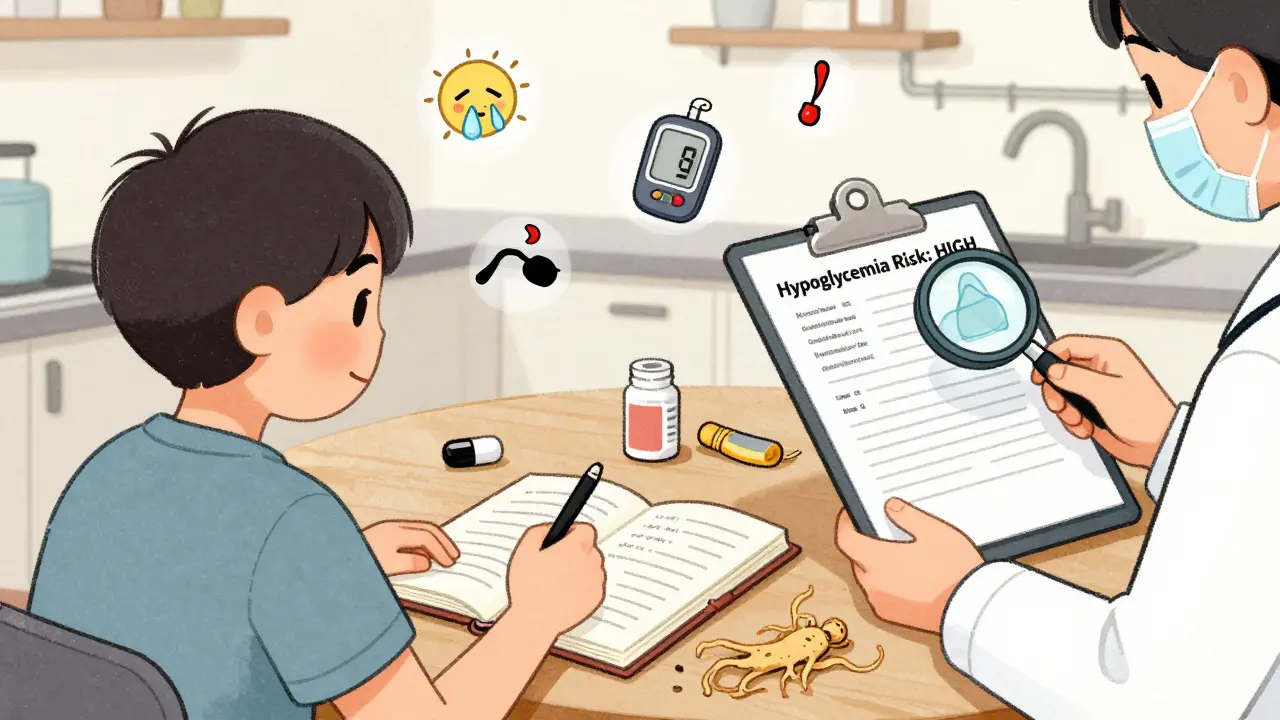
Here’s a trap a lot of people fall into. Siberian ginseng (Eleutherococcus senticosus) isn’t true ginseng. It doesn’t contain ginsenosides. But it can still affect blood sugar-sometimes raising it, sometimes lowering it. The effects are unpredictable. If your bottle says “Siberian ginseng,” don’t assume it’s the same as Panax ginseng. It’s not. And it’s just as risky.
Always check the scientific name on the label. If it doesn’t say Panax ginseng or Panax quinquefolius, it’s not the same herb studied in the trials. And if it says “adaptogen” or “energy booster” without listing the species? Walk away.
Is Ginseng Worth the Risk?
Let’s be clear: ginseng isn’t a cure for diabetes. It’s not a replacement for diet, exercise, or medication. At best, it’s a possible helper-and only if used with extreme care.
Medical News Today calls it a “relatively safe, inexpensive adjuvant treatment.” But “safe” here means “safe if monitored.” Not “safe if you just take it and hope for the best.”
For most people with type 2 diabetes, the risks outweigh the benefits. The blood sugar-lowering effect is small. The chance of dangerous interaction is real. And the cost? A month’s supply runs $15-$20. That’s not cheap when you’re already paying for prescriptions, test strips, and doctor visits.
There are proven ways to improve blood sugar: walking 30 minutes a day, eating more fiber, cutting back on sugar, sleeping better. These don’t come with a warning label. They don’t interact with your meds. And they work every time.
Bottom Line: Don’t Guess. Test. Talk.
If you’re on diabetes medication and considering ginseng, don’t rely on internet blogs or supplement store advice. Talk to your doctor. Bring your bottle. Ask: “Could this make my blood sugar drop too low?”
And if you’re already taking it? Start checking your blood sugar more often. Keep a log. Watch for symptoms. If your numbers are dropping faster than before, stop. Call your doctor. Your safety isn’t worth the risk of a trendy supplement.
Ginseng might help. But only if you’re watching closely. And most people aren’t.
Can ginseng replace my diabetes medication?
No. Ginseng is not a replacement for prescribed diabetes medications. While some studies show it can lower blood sugar slightly, the effect is modest and unpredictable. Stopping your medication to use ginseng alone can lead to dangerously high blood sugar levels, increasing your risk of complications like nerve damage, kidney problems, or vision loss. Always take your medication as prescribed unless your doctor tells you otherwise.
What’s the safest way to take ginseng if I have diabetes?
If your doctor approves ginseng, start with a low dose: 100 mg of a standardized extract once daily. Choose capsules over liquids to avoid added sugar. Monitor your blood sugar at least four times a day for the first two weeks. Keep a log of your readings and any symptoms like dizziness or sweating. If your blood sugar drops below 4 mmol/L, stop taking it immediately and contact your healthcare provider.
Does ginseng interact with insulin?
Yes. Ginseng can increase the effect of insulin, leading to a higher risk of hypoglycemia. Studies show insulin users who take ginseng experience more episodes of low blood sugar than those who don’t. If you use insulin, you should avoid ginseng unless your doctor closely monitors your blood sugar and adjusts your insulin dose accordingly. Never combine them without medical supervision.
How do I know if a ginseng product is real?
Look for the scientific name on the label: Panax ginseng (Asian ginseng) or Panax quinquefolius (American ginseng). Avoid products labeled “Siberian ginseng,” which is a different plant and can have unpredictable effects. Also check for standardized extracts (e.g., “20% ginsenosides”) and third-party testing seals like USP or NSF. If the label doesn’t list the species or active compound percentage, don’t buy it.
Are there any signs I should stop taking ginseng right away?
Yes. Stop immediately if you experience: frequent low blood sugar (below 4 mmol/L), unexplained sweating, shaking, confusion, rapid heartbeat, dizziness, nausea, or insomnia. Also stop if you notice changes in your blood pressure or if you’re taking blood thinners like warfarin. These could be signs of dangerous interactions. Contact your doctor right away.
Ed Mackey
February 4, 2026 AT 05:41just saying.
Katherine Urbahn
February 5, 2026 AT 22:39Joseph Cooksey
February 6, 2026 AT 07:55Coy Huffman
February 7, 2026 AT 20:57Amit Jain
February 8, 2026 AT 21:02Harriot Rockey
February 10, 2026 AT 10:34rahulkumar maurya
February 10, 2026 AT 15:24Demetria Morris
February 12, 2026 AT 11:52Geri Rogers
February 12, 2026 AT 12:08Also-my mom took ginseng for 3 years with no issues. She’s 72, type 2, on metformin. She checks her sugar every morning like clockwork. Maybe it’s not the herb… maybe it’s the lack of monitoring? 💕
Janice Williams
February 12, 2026 AT 16:54Roshan Gudhe
February 13, 2026 AT 12:13Rachel Kipps
February 15, 2026 AT 02:29Wendy Lamb
February 16, 2026 AT 11:50Antwonette Robinson
February 17, 2026 AT 05:22Daz Leonheart
February 17, 2026 AT 08:11