Archive: 2026/01 - Page 2
-

Bacterial Skin Infections: Impetigo, Cellulitis, and Antibiotics Explained
Impetigo and cellulitis are common bacterial skin infections with different causes, symptoms, and treatments. Learn how to tell them apart, why antibiotics like penicillin often fail, and what works now-including new options like retapamulin and MRSA-targeted drugs.
-
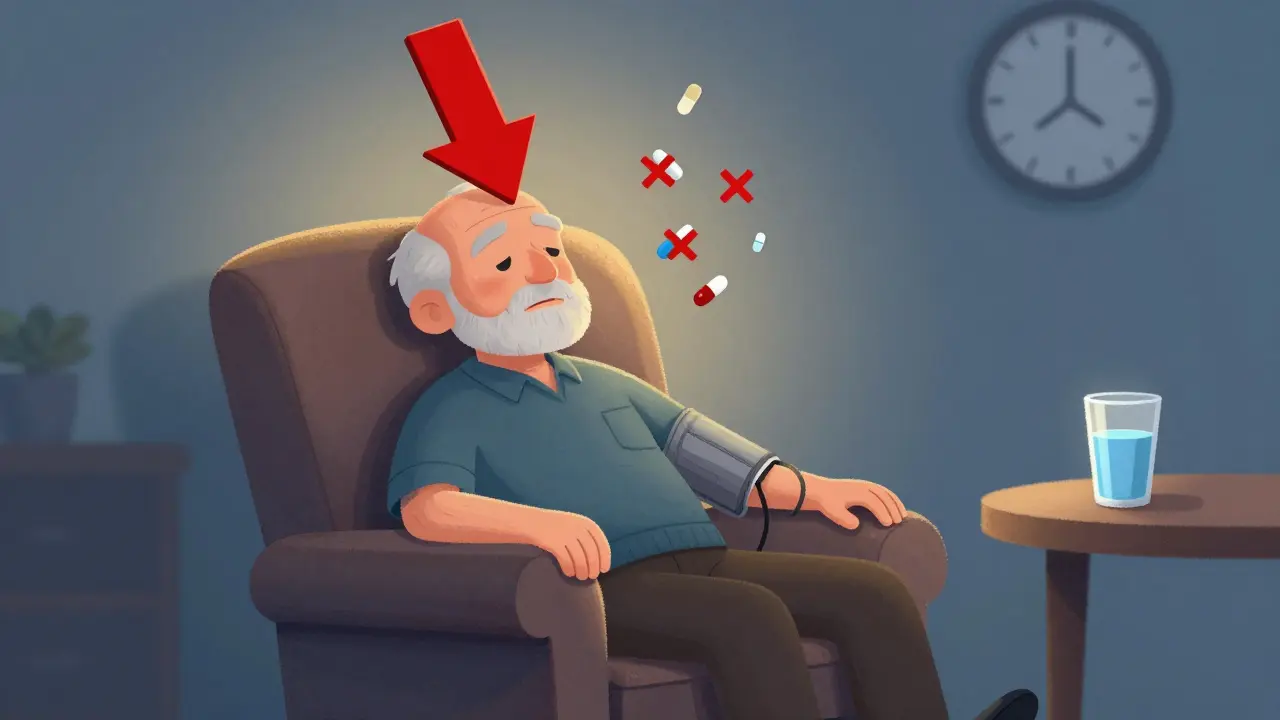
Blood Pressure Medication Safety in Older Adults: How to Reduce Orthostatic Hypotension Risks
Orthostatic hypotension is a dangerous side effect of blood pressure meds in seniors. Learn which drugs raise fall risk, which are safest, and how to prevent dizziness without stopping treatment.
-
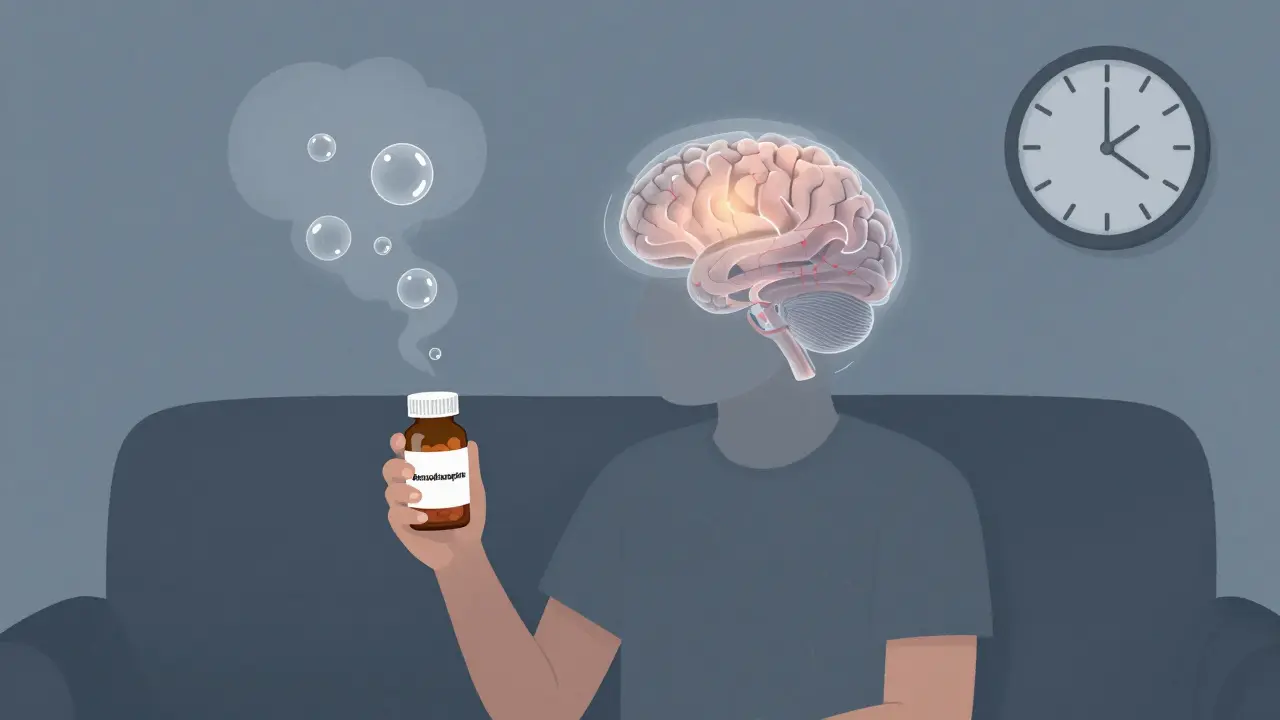
Benzodiazepines: Memory Loss, Fall Risks, and How to Taper Safely
Benzodiazepines can impair memory, increase fall risk, and cause lasting cognitive issues. Learn how to taper safely, what to expect during withdrawal, and why stopping may be the best decision for your brain.
-
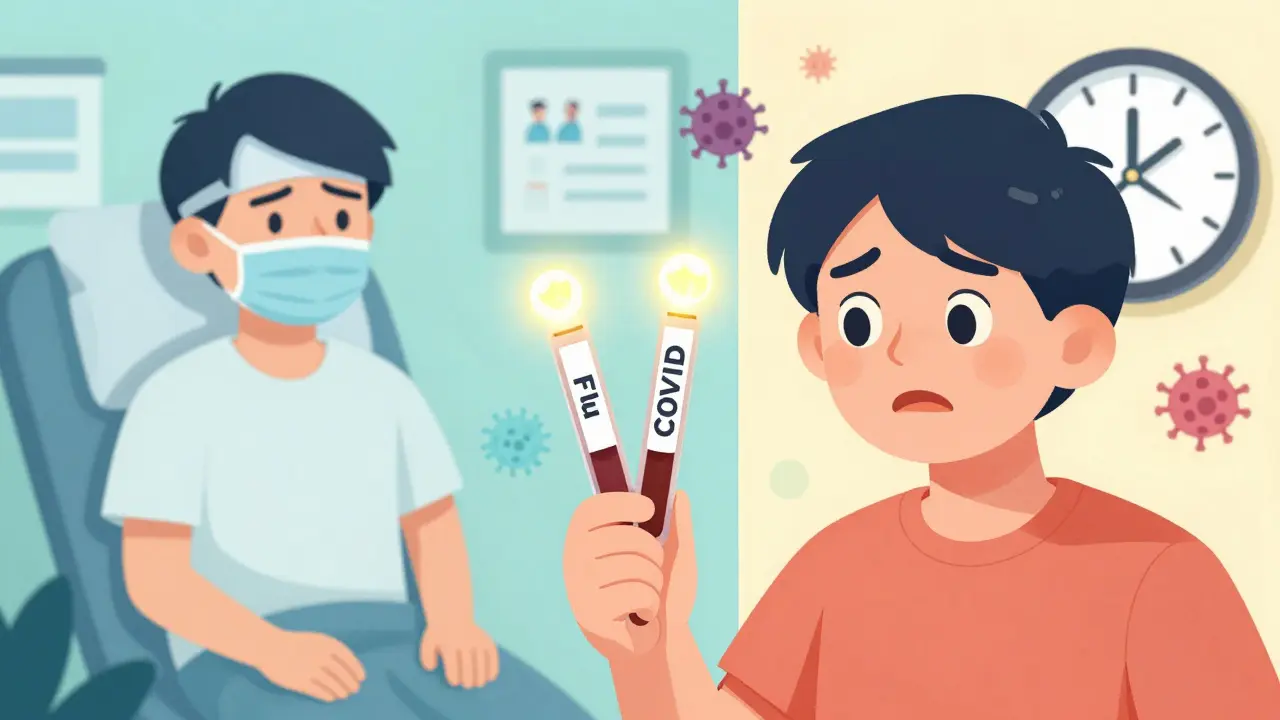
Influenza vs. COVID-19: Testing, Treatment, and Isolation Guidance for 2026
In 2026, flu and COVID-19 require different testing, treatment, and isolation strategies. Learn the latest guidelines, what antivirals work, and how to protect yourself during peak season.
-
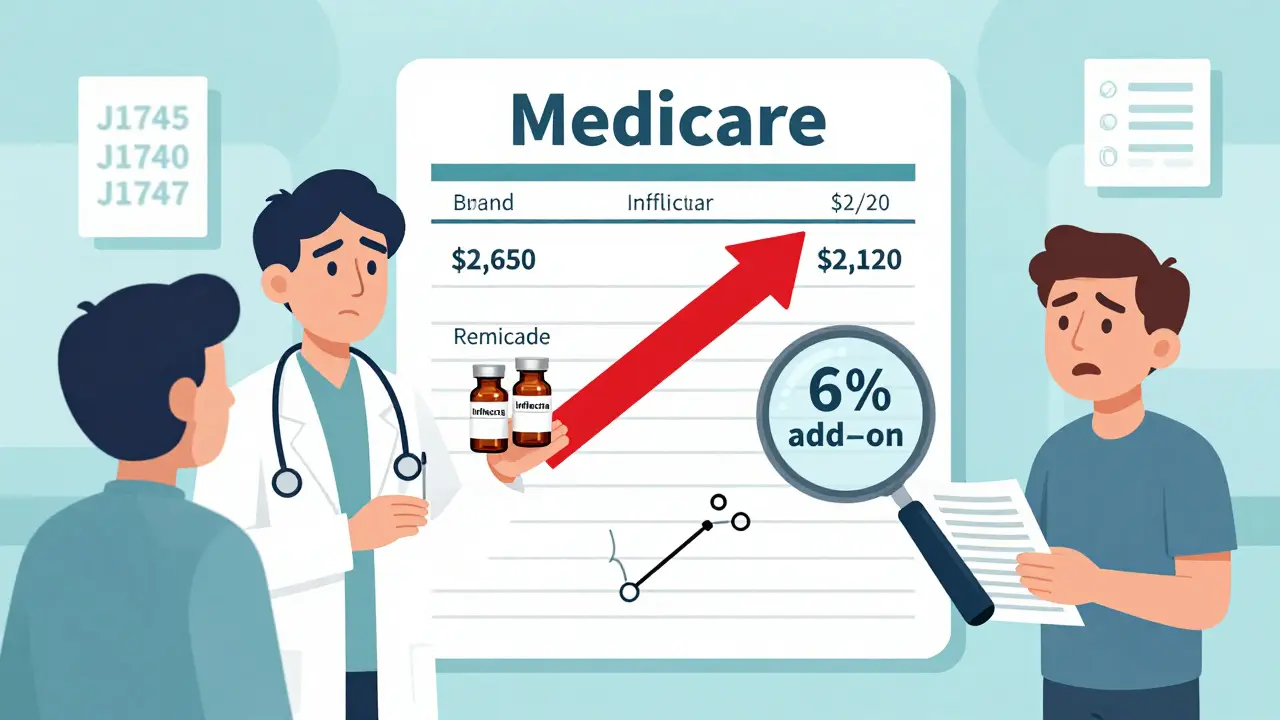
Reimbursement and Coding for Biosimilars: How Billing Works Under Medicare Part B
Biosimilars are billed differently than generics under Medicare Part B. Each has its own HCPCS code and is paid 106% of the reference product's ASP, creating financial disincentives for providers to switch. Learn how coding, payment rules, and the JZ modifier impact adoption.
-
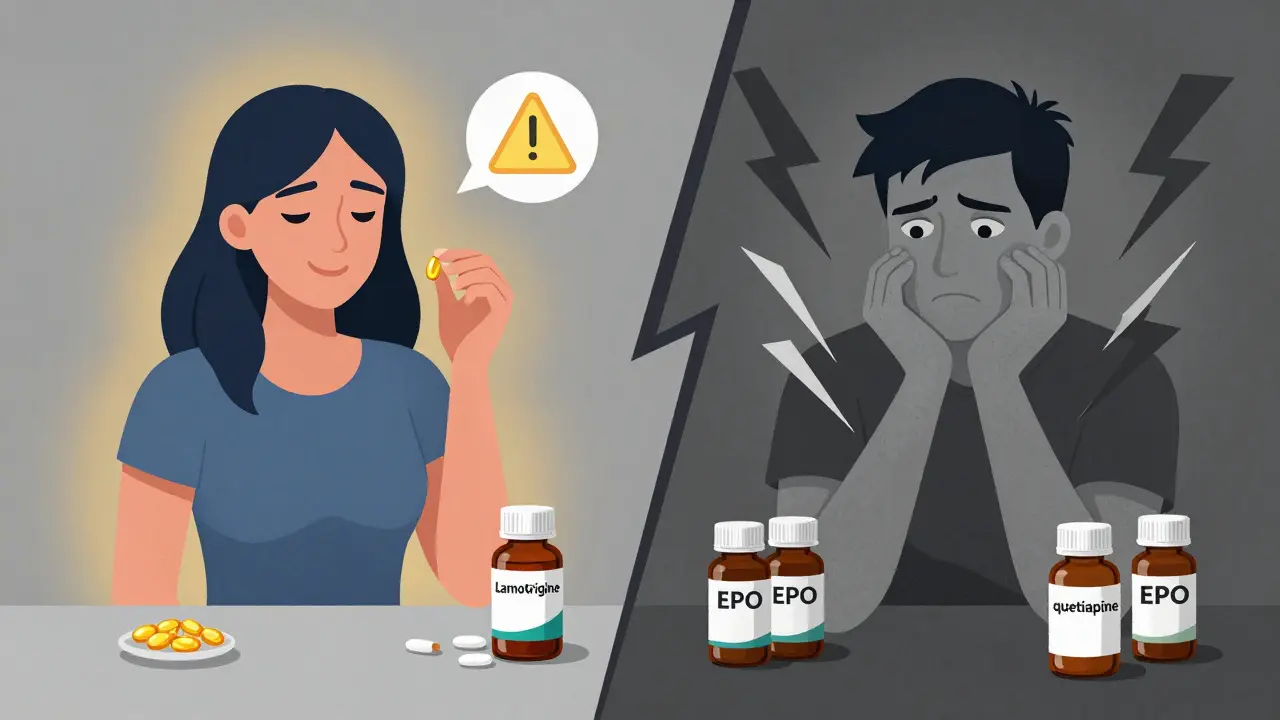
Evening Primrose Oil and Seizure Threshold: What You Need to Know About Antipsychotic Interactions
Evening primrose oil may increase seizure risk when taken with certain antipsychotics, but research is divided. Learn who should avoid it, which drugs pose the highest risk, and what the latest studies say.
-
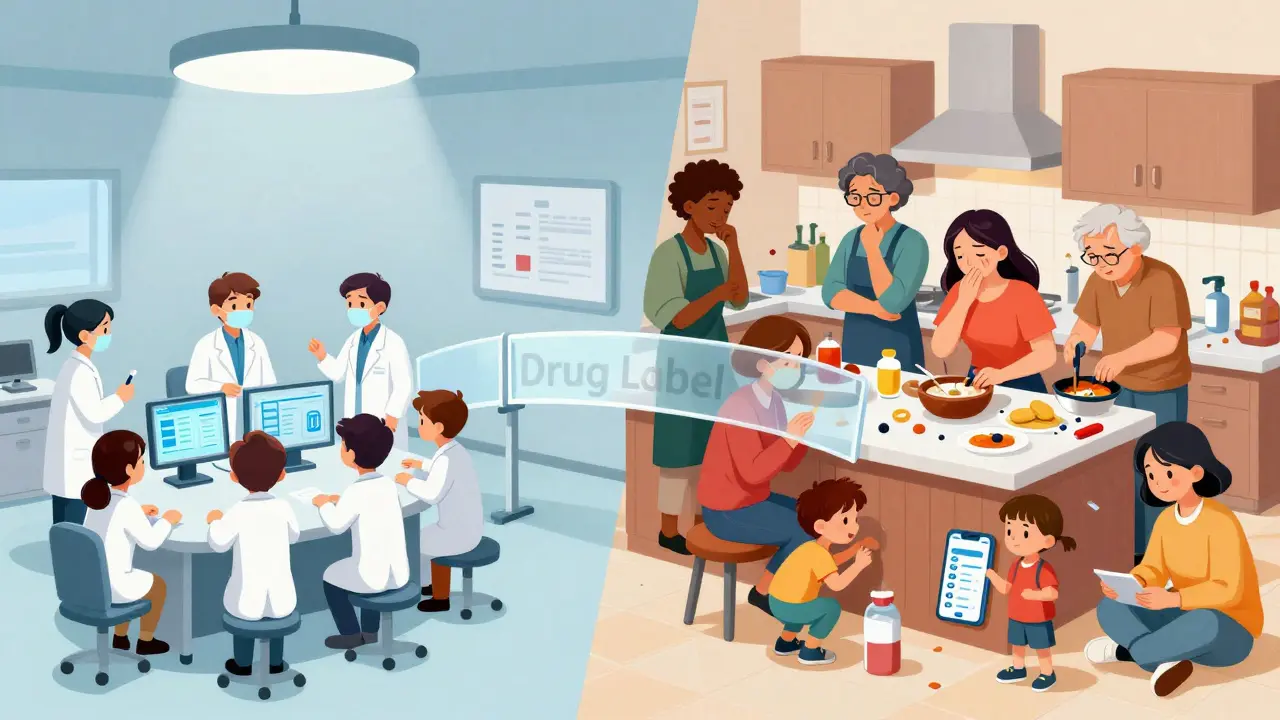
Clinical Trial Data vs Real-World Side Effects: What You Need to Know
Clinical trials show what a drug can do under ideal conditions. Real-world data reveals what actually happens when millions take it. Understanding the difference helps patients and doctors make smarter decisions about safety.
-
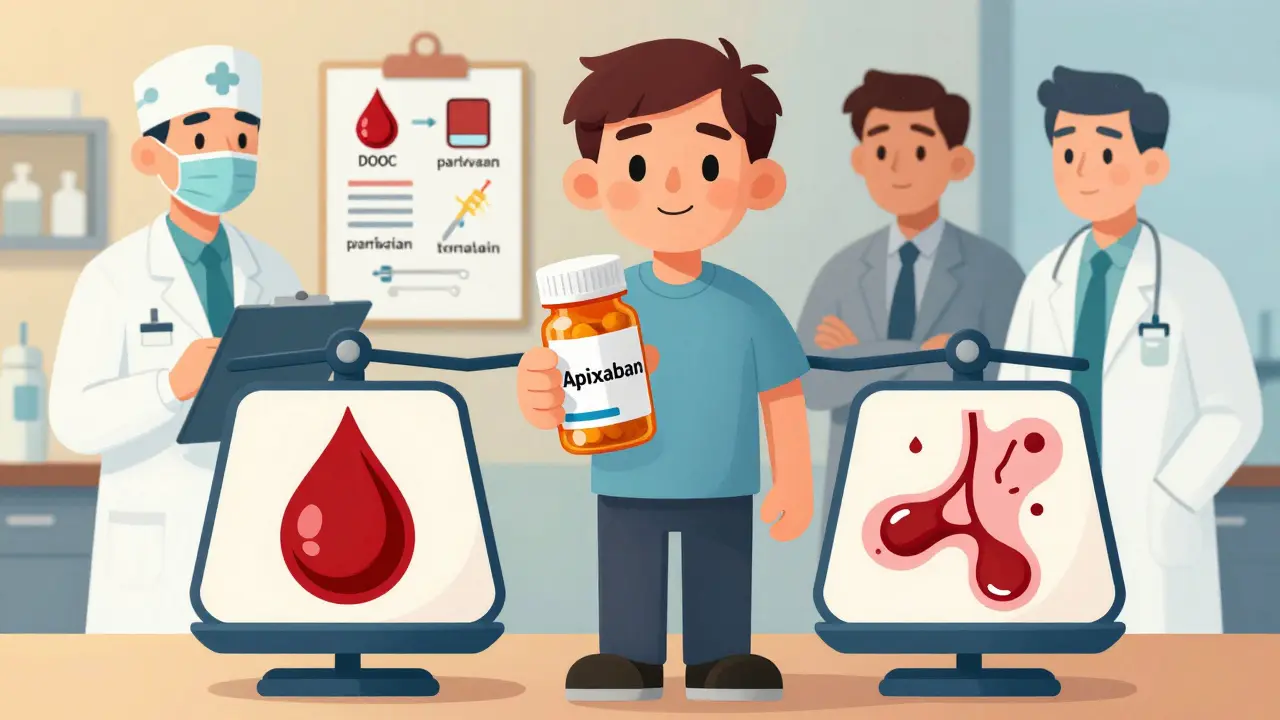
Perioperative Management of Anticoagulants: How to Safely Pause Blood Thinners Before Surgery
Learn how to safely manage blood thinners before and after surgery. Understand when to stop DOACs, when to avoid bridging, and how to reduce bleeding and clot risks based on your procedure and medical history.
-

Common Manufacturing Defects in Generic Drugs and How They Affect Safety
Generic drugs save money but face higher rates of manufacturing defects that can impact safety and effectiveness. Learn about common issues like capping, weight variation, and contamination-and what patients can do to protect themselves.
-
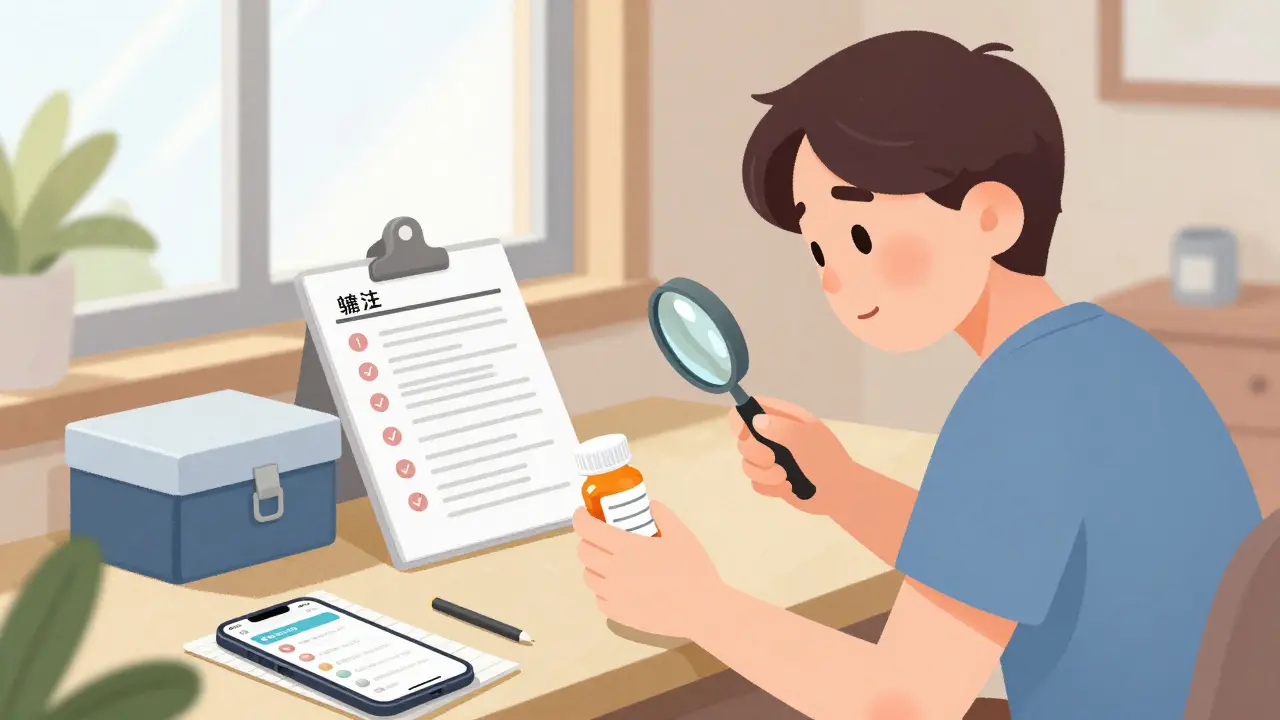
How to Safely Use Short-Term Medications After Surgery
Learn how to safely use short-term medications after surgery to avoid dangerous errors. Follow CDC, ISMP, and Joint Commission guidelines for pain relief, antibiotics, and high-risk drugs during recovery.
-

Hospital Formulary Economics: How Institutions Choose Generics to Cut Costs Without Compromising Care
Hospitals choose generics based on clinical evidence, cost, and safety-not just price. Learn how Pharmacy and Therapeutics committees make formulary decisions, why complex generics are harder to approve, and how rebates and shortages are reshaping hospital drug selection in 2026.
-
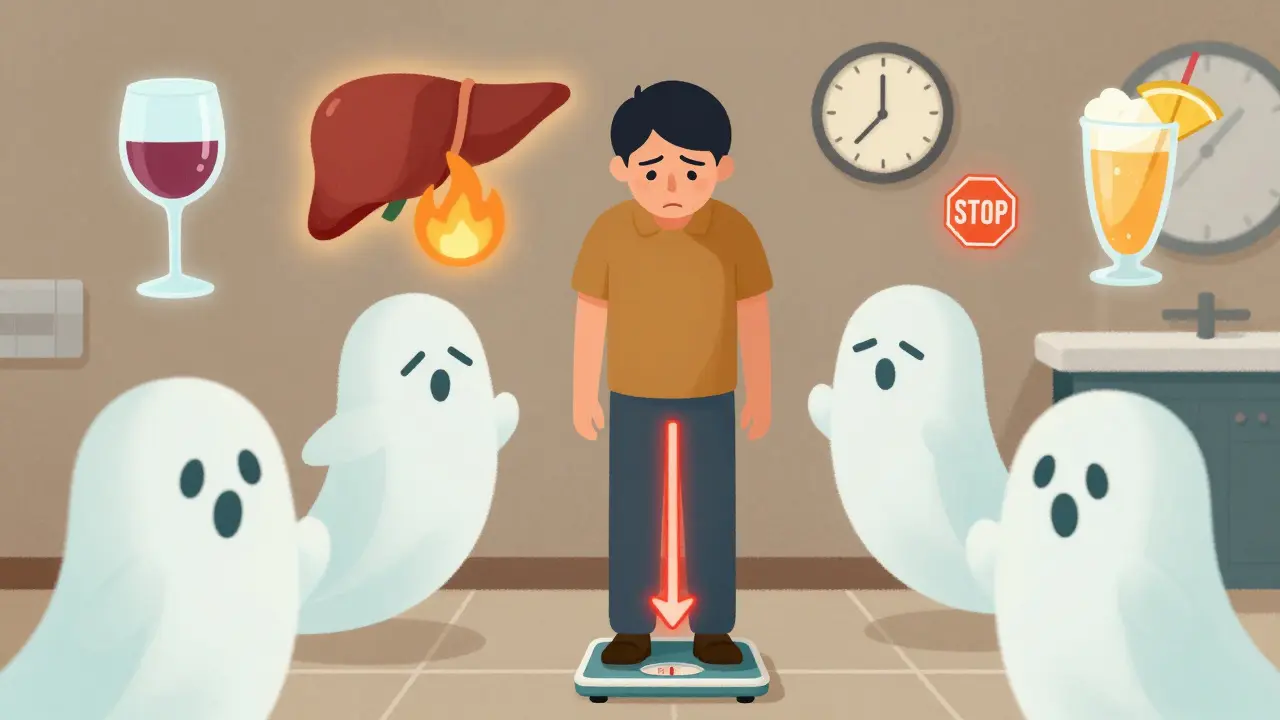
Alcohol and Weight Loss: How Calories, Appetite, and Strategy Affect Your Progress
Alcohol can sabotage weight loss by adding empty calories, increasing hunger, and slowing fat burning. Learn how to drink smarter-or cut back-for real results.