EMSAM Washout Period Calculator
Based on FDA guidelines (minimum). Experts may recommend up to 21 days.
This tool provides estimates based on general FDA labeling information. It is not medical advice. Individual metabolism varies. Always consult your prescribing physician or pharmacist before starting or stopping any medication. The risk of serotonin syndrome is life-threatening.
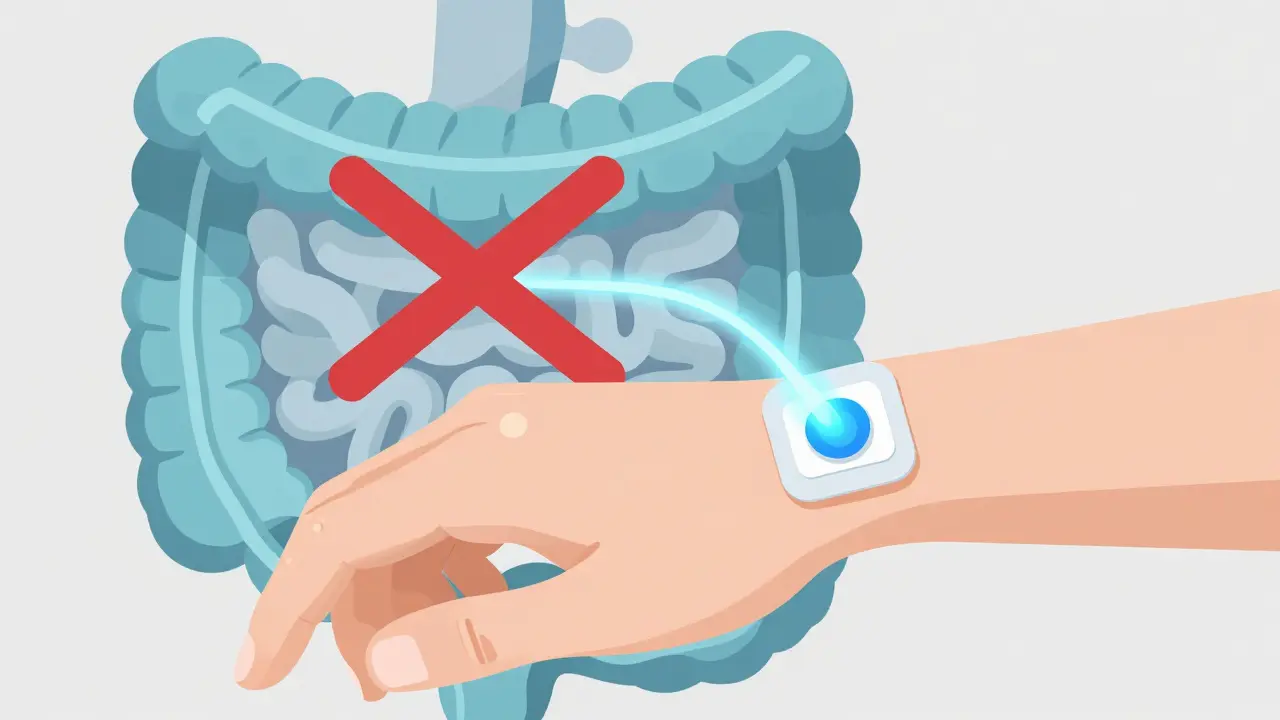
Imagine you have been struggling with depression for years. You have tried several medications without success. Finally, your doctor prescribes Selegiline transdermal, known by the brand name EMSAM. It is a patch that delivers medication through your skin, bypassing your digestive system. It sounds like a miracle solution because it avoids the strict diet usually required with older antidepressants of this class.
But here is the catch. This medication belongs to a powerful class called monoamine oxidase inhibitors (MAOIs). If you mix it with the wrong drugs, specifically those that affect serotonin, you risk a condition called serotonin syndrome. This is not just a bad side effect; it can be life-threatening. The good news? With the right knowledge, you can use this treatment safely. You need to understand exactly which drugs to avoid and how long to wait when switching treatments.
How Selegiline Transdermal Works Differently
To understand the risks, you first need to know what the patch does inside your body. Traditional oral MAOIs block an enzyme called monoamine oxidase in your gut and brain. Blocking it in the gut causes dangerous reactions with foods high in tyramine, like aged cheeses or cured meats. This is often called the "cheese effect."
The transdermal delivery system changes the game. When you apply the EMSAM patch at the lowest dose of 6 mg per 24 hours, the medication enters your bloodstream directly. It largely skips your intestines. Because of this, it does not significantly block the MAO enzyme in your gut. That means you do not need to follow the restrictive low-tyramine diet at this specific dose. However, as soon as you increase the dose to 9 mg or 12 mg per day, the medication starts blocking the enzyme in your gut too, bringing back those dietary restrictions.
Here is where the confusion happens. Even though the 6 mg dose spares your gut, it still blocks the MAO enzyme in your brain. In fact, at all doses, selegiline increases levels of neurotransmitters like serotonin, norepinephrine, and dopamine in your central nervous system. This is why it works for depression. But it is also why mixing it with other drugs that boost serotonin is so dangerous.
What Is Serotonin Syndrome?
Serotonin syndrome occurs when there is too much serotonin activity in your body. Think of serotonin as a signal. Normally, your body breaks down excess signals to keep things balanced. MAOIs stop that breakdown process. If you add another drug that pumps out more serotonin or stops it from being reabsorbed, the signals pile up uncontrollably.
This buildup leads to a cluster of severe symptoms. You might experience:
- Mental status changes, such as agitation, confusion, or even hallucinations.
- Autonomic instability, meaning your heart rate races, your blood pressure swings wildly, and your temperature spikes.
- Neuromuscular issues, like muscle rigidity, tremors, or excessive reflexes.
- Gastrointestinal distress, including nausea, vomiting, and diarrhea.
This condition can escalate quickly. In severe cases, it requires intensive care. The U.S. Food and Drug Administration (FDA) places a black box warning on EMSAM specifically regarding this risk. It is the most serious warning available for prescription drugs.
Drugs You Must Never Mix with Selegiline Transdermal
You cannot simply check your prescription bottle. You must look at every substance you put into your body. The interaction risk applies to both prescription medications and over-the-counter products.
| Drug Class / Type | Common Examples | Why It Is Dangerous |
|---|---|---|
| Selective Serotonin Reuptake Inhibitors (SSRIs) | Fluoxetine (Prozac), Sertraline (Zoloft), Escitalopram (Lexapro) | Directly increases serotonin availability while MAOI prevents its breakdown. |
| Serotonin-Norepinephrine Reuptake Inhibitors (SNRIs) | Venlafaxine (Effexor), Duloxetine (Cymbalta) | Boosts both serotonin and norepinephrine, compounding the MAOI effect. |
| Tricyclic Antidepressants (TCAs) | Amitriptyline, Nortriptyline | Older antidepressants that strongly affect serotonin levels. |
| Triptans (Migraine Medications) | Sumatriptan (Imitrex), Rizatriptan | Acts on serotonin receptors to constrict blood vessels; risky combination. |
| Pain Relievers & Cough Suppressants | Tramadol, Dextromethorphan (found in many cough syrups) | Often overlooked OTC or mild prescription drugs that have serotonergic effects. |
| Herbal Supplements | St. John's Wort, Tryptophan | Natural supplements that act similarly to antidepressants. |
| Antiemetics (Nausea Drugs) | Ondansetron (Zofran) | Used commonly in surgery or chemo; can trigger syndrome even in short-term use. |
Notice dextromethorphan on that list. Many people grab a bottle of cough syrup without thinking. If you are on EMSAM, that simple cold remedy could push you into serotonin syndrome. Always read the active ingredients label on any over-the-counter product.
The Critical Washout Periods
Switching between these medications is not like swapping one brand of cereal for another. You cannot stop one pill today and start the patch tomorrow. Your body needs time to reset its enzyme levels. Since MAOIs work by irreversibly binding to enzymes, your body has to build new enzymes from scratch. This takes time.
The FDA prescribing information gives strict rules for these transitions. Ignoring them is one of the most common causes of adverse events.
Stopping Selegiline Transdermal to Start a Serotonergic Drug:
- Remove the last EMSAM patch.
- Wait a minimum of 14 days.
- Only then can you start an SSRI, SNRI, or other serotonergic agent.
Stopping a Serotonergic Drug to Start Selegiline Transdermal:
- Stop the serotonergic medication.
- If you were taking fluoxetine (Prozac), you must wait 5 weeks. Fluoxetine stays in your system much longer than other antidepressants due to its long half-life.
- For all other serotonergic drugs (like sertraline or venlafaxine), wait a minimum of 2 weeks.
- After the waiting period, you may begin the EMSAM patch.
Recent guidelines published in the American Journal of Psychiatry in 2023 actually recommend extending these windows. They suggest a minimum 21-day washout period for extra safety, noting that complete enzyme recovery might take up to 28 days. While the FDA label says 14 days, many experts now advise playing it safe with three weeks. Always discuss this timeline with your prescriber.
Why Do People Still Get Into Trouble?
You might wonder if these rules are followed. Unfortunately, data suggests gaps in communication. A discussion thread on the mental health forum Talkiatry revealed that nearly 70% of respondents felt they did not receive adequate warnings about drug interactions when prescribed EMSAM. About 22% experienced adverse effects later linked to undisclosed interactions, often with over-the-counter meds like dextromethorphan.
There is a misconception that because the 6 mg patch has no dietary restrictions, it is "safe" to mix with other drugs. This is false. As Dr. Charles L. Raison noted in Psychiatric Times, treating the lower dose as having zero interaction risk has led to dangerous prescribing practices. The absence of food restrictions does not mean the absence of drug-drug interaction risks.
Another issue lies in hospital settings. Electronic Health Record (EHR) systems are supposed to flag these conflicts. However, a study in the Journal of the American Medical Informatics Association found that only 43% of EHR systems accurately flagged all critical selegiline-serotonergic interactions. This means you cannot rely solely on the computer to save you. You must speak up.
Your Action Plan for Safety
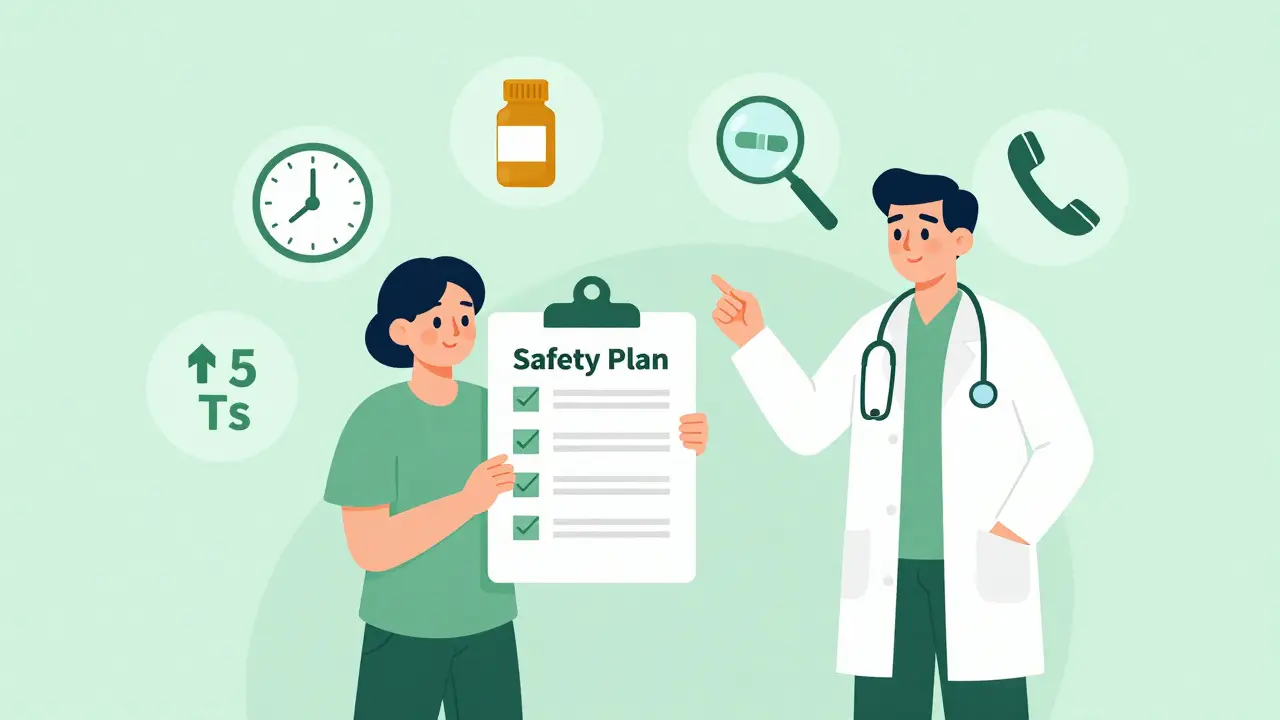
Taking control of your medication safety involves proactive steps. Here is how you can protect yourself.
1. Perform a Full Medication Reconciliation
Do not just list your prescriptions. Write down everything. Include vitamins, herbal supplements, painkillers, and allergy meds. Bring this list to every appointment. Ask your pharmacist to review it against your EMSAM prescription.
2. Use the '5 Ts' Mnemonic
Experts recommend remembering five key areas for monitoring:
- Timing: When was your last dose of any interacting drug?
- Types: What types of medications are you taking? Check for hidden serotonergic agents.
- Testing: Are you watching for early symptoms like jitteriness or sweating?
- Transition: Have you planned your washout periods correctly?
- Telephone: Do you have emergency contact numbers ready if symptoms arise?
3. Educate Other Healthcare Providers
If you go to the dentist, an urgent care clinic, or a surgeon, tell them immediately: "I am using a selegiline transdermal patch." They might want to prescribe ondansetron for nausea or tramadol for pain. Both are contraindicated. By speaking up early, you prevent accidental exposure.
4. Monitor for Early Signs
Serotonin syndrome often starts subtly. You might feel unusually agitated, have trouble sleeping, or notice your muscles twitching. If you combine EMSAM with a new medication-even something seemingly harmless-and feel suddenly "off," seek medical attention immediately. Do not wait for symptoms to become severe.
Conclusion: Managing Risk for Better Outcomes
Selegiline transdermal remains a vital tool for patients with treatment-resistant depression. It offers a unique path to relief when other options fail. The market data shows it holds a steady place in the antidepressant landscape, helping thousands who have exhausted other avenues.
The key is respect for the mechanism. This is a potent medication. The convenience of the patch and the freedom from dietary restrictions at the 6 mg dose should never blind you to the pharmacological reality. Your brain chemistry is being profoundly altered. Mixing it with serotonergic drugs disrupts that balance dangerously.
By adhering strictly to washout periods, avoiding the listed contraindicated substances, and maintaining open communication with your healthcare team, you can mitigate these risks. You deserve effective treatment for your depression, and with careful management, EMSAM can provide that safely.
Can I take ibuprofen or acetaminophen with selegiline transdermal?
Generally, yes. Ibuprofen (Advil, Motrin) and acetaminophen (Tylenol) are not serotonergic drugs and do not typically interact with MAOIs like selegiline. However, always consult your doctor before adding new medications, as individual health conditions can change recommendations.
Does the 6 mg EMSAM patch require a washout period when switching from Prozac?
Yes. Regardless of the EMSAM dose, if you are stopping fluoxetine (Prozac), you must wait at least 5 weeks before starting the patch. This is due to fluoxetine's long half-life and active metabolites that remain in the body for an extended period.
What should I do if I accidentally take a serotonergic drug while on EMSAM?
Contact your healthcare provider or poison control center immediately. Monitor yourself closely for symptoms of serotonin syndrome, such as agitation, rapid heart rate, high fever, or muscle stiffness. Seek emergency medical care if these symptoms develop.
Are there any natural supplements I should avoid?
Yes. You must avoid St. John's Wort and tryptophan supplements. These natural products increase serotonin levels and can trigger serotonin syndrome when combined with selegiline transdermal.
Why is the washout period longer for fluoxetine than other antidepressants?
Fluoxetine has a very long half-life, meaning it stays in your system much longer than other SSRIs. Its active metabolite, norfluoxetine, can persist for weeks after the last dose. Therefore, a standard 2-week washout is insufficient, and a 5-week gap is required to ensure safety.