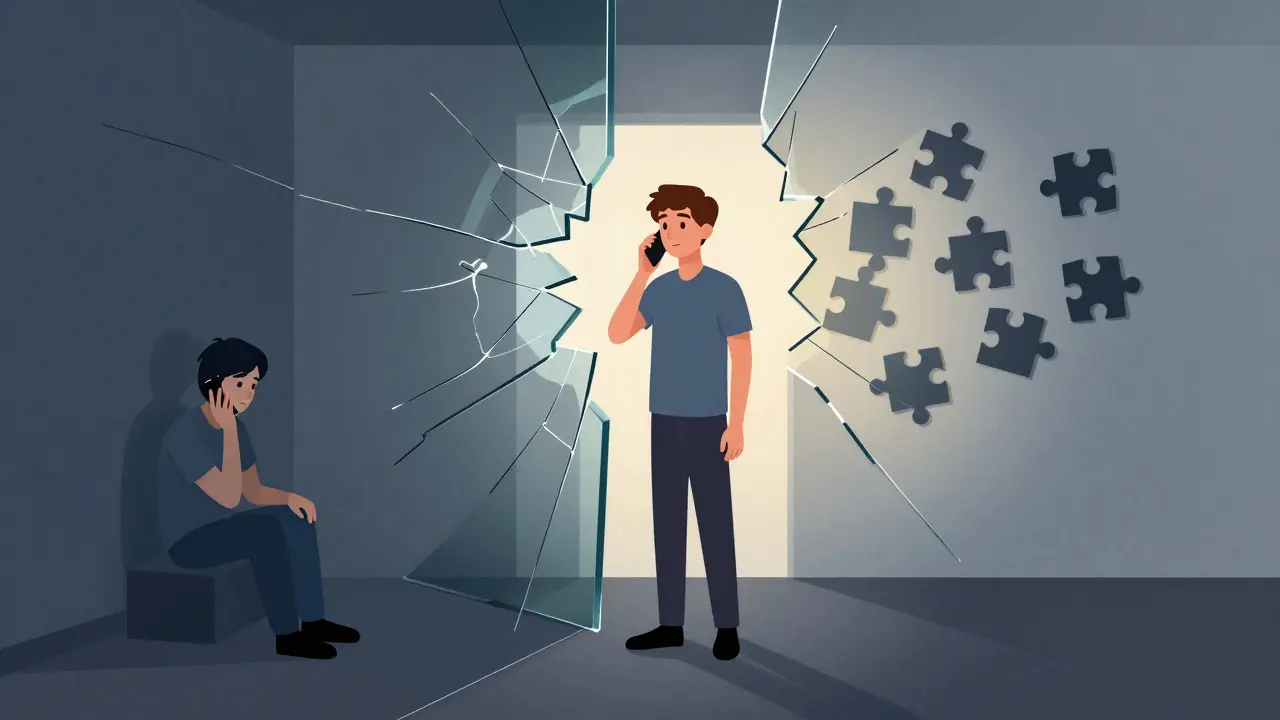
Understanding the Shift: What Is Psychosis?
When we hear the word psychosis, it often conjures images from movies or news headlines that are dramatic and frightening. But in reality, psychosis is not a standalone diagnosis like diabetes or asthma. It is a symptom-a sign that something else is going on. According to the National Alliance on Mental Illness (NAMI), psychosis represents a disconnection from reality. This can look like hallucinations, delusions, or highly disorganized thinking.
You might be wondering if this could happen to someone you know, or even yourself. The truth is, psychosis can occur in various conditions such as schizophrenia, bipolar disorder, or severe depression. It can also stem from substance use, medical issues, or extreme stress. The key thing to remember is that psychosis is treatable. In fact, how quickly we respond makes a massive difference in long-term recovery.
The Critical Window: Spotting Early Warning Signs
One of the biggest challenges in treating psychosis is the delay between when symptoms start and when help is sought. Studies show that the average duration of untreated psychosis in the United States is roughly 74 weeks. That’s nearly a year and a half. Every month that passes without treatment increases the time needed for recovery by 5-7% and lowers the chance of full functional recovery. So, knowing what to look for is vital.
Early warning signs don’t always appear as sudden madness. They often creep in subtly across four main areas:
- Thinking and Speech Changes: You might notice someone speaking rapidly, switching topics mid-sentence, or using words in peculiar ways. They may have trouble concentrating or seem confused about what is real and what isn’t.
- Social Withdrawal: A person who was once social might suddenly isolate themselves. They may spend excessive time alone, drop out of school or work, and seem suspicious or uneasy around others.
- Emotional Fluctuations: Mood changes can be stark. This includes inappropriate laughter, an inability to express joy, or extreme irritability and anxiety.
- Behavioral Decline: Personal hygiene often suffers. Sleep patterns become severely disturbed, and daily functioning at school or work deteriorates noticeably.
If you see a worrisome drop in grades or job performance combined with these other signs, it’s time to pay attention. These aren’t just “teenage angst” or a bad week. They are signals that professional support is needed.
What Is Coordinated Specialty Care (CSC)?
So, what happens after those signs are recognized? For many years, standard care involved seeing a psychiatrist occasionally and taking medication. While helpful, this approach often left patients struggling with employment, education, and social connections. Enter Coordinated Specialty Care (CSC), which has emerged as the gold standard for treating first-episode psychosis.
CSC isn’t just one doctor; it’s a team. Developed following the National Institute of Mental Health’s (NIMH) RAISE initiative, CSC brings together multiple specialists to support the individual holistically. Think of it as a comprehensive safety net rather than a single thread. The goal is to reduce hospitalizations, improve quality of life, and help people return to their goals-whether that’s finishing college, getting a job, or reconnecting with friends.
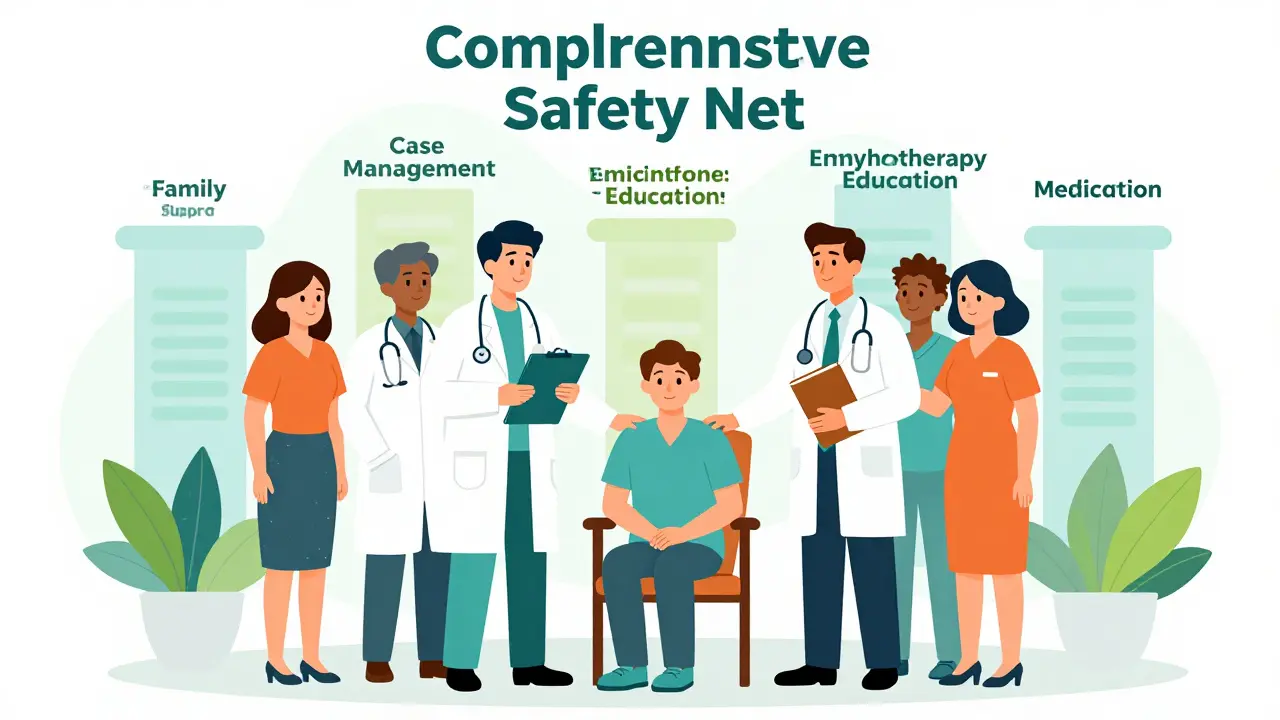
The Five Pillars of Coordinated Specialty Care
To understand why CSC works so well, let’s break down its five essential components. Each piece plays a specific role in supporting recovery:
- Case Management: A case manager acts as the quarterback of the team. They coordinate services, ensure appointments are kept, and often conduct home visits during acute phases. The typical staff-to-client ratio is 1:10, ensuring personalized attention.
- Family Education and Support: Psychosis affects the whole family. CSC provides structured psychoeducation-usually 12 to 20 weekly sessions-to help families understand the condition, reduce stress, and learn how to support their loved one effectively.
- Individual Psychotherapy: Most programs use Cognitive Behavioral Therapy for psychosis (CBTp). This involves 24-30 structured sessions over 12-18 months. CBTp helps individuals challenge distorted thoughts and develop coping strategies for hallucinations or delusions.
- Supported Employment and Education: Recovery isn’t just about symptoms; it’s about life. CSC teams work directly with schools and employers to help participants stay engaged. Data shows that 80% of participants engage in vocational rehabilitation within three months of enrollment.
- Medication Management: Medication is often part of the plan, but CSC approaches it carefully. Guidelines recommend starting second-generation antipsychotics at low doses (25-50% of standard adult doses) and titrating based on response. This minimizes side effects while maximizing benefits.
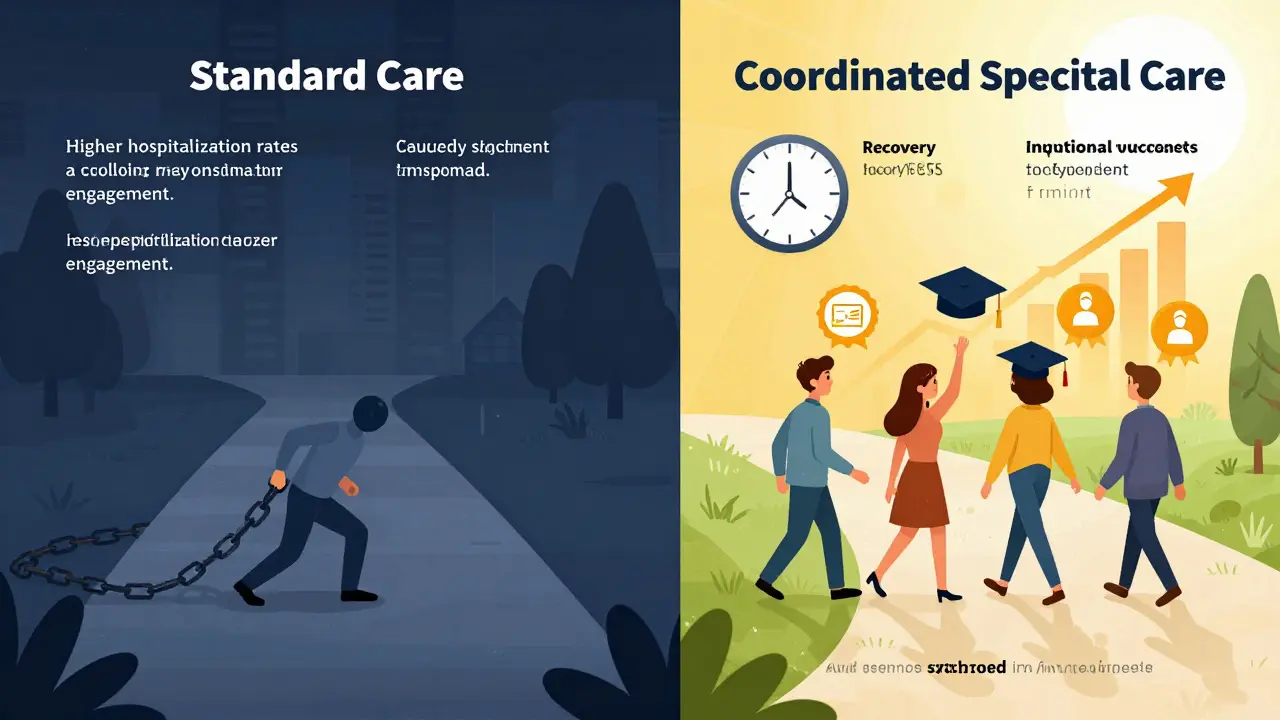
| Feature | Standard Care | Coordinated Specialty Care (CSC) |
|---|---|---|
| Treatment Model | Single provider focus | Multi-disciplinary team approach |
| Hospitalization Rates | Higher | Reduced by 45% |
| Employment/Education Engagement | Low support | Increased by 60% |
| Family Involvement | Minimal | Structured psychoeducation included |
| Cost-Benefit Ratio | Variable | $17.50 return per $1 invested |
Why Early Intervention Matters More Than Ever
You might ask, "Is this really worth the effort?" The data says yes. Research from the RAISE-ETP study showed that participants in CSC programs had 58% greater improvement in positive symptoms and 42% better functional outcomes compared to those receiving standard care. Moreover, treatment retention rates were 35% higher at 24 months.
Dr. Lisa Dixon from Columbia University notes that each additional month of untreated psychosis reduces the likelihood of functional recovery by 3.2%. This isn’t just about feeling better today; it’s about protecting your future. Early intervention can prevent the chronic disability that often follows prolonged untreated psychosis. Currently, only 42% of individuals receive CSC within the critical two-year window after symptoms begin. Closing this gap is a major priority for mental health professionals.
Navigating the System: How to Get Help
If you suspect someone is experiencing early psychosis, here is a practical roadmap:
- Screening Tools: Clinicians often use tools like the Prodromal Questionnaire (PQ-16). A score of 8 or higher indicates a need for comprehensive assessment.
- The 'Golden Hour': Experts emphasize assessing potential psychosis within 72 hours of initial presentation. Don’t wait. Contact a primary care provider or a specialized early psychosis clinic immediately.
- Finding a Program: Look for Certified Community Behavioral Health Clinics (CCBHCs) or programs certified by SAMHSA. As of 2022, there are over 347 certified CSC programs across 48 U.S. states.
- Insurance Coverage: Under the 21st Century Cures Act, Medicaid-funded programs are mandated to provide CSC services. Check with your insurance provider for specific coverage details.
It’s also important to address disparities. Black Americans, for instance, experience a duration of untreated psychosis 2.4 times longer than White Americans. Advocacy groups and new initiatives like the RAISE-3 study are working to adapt CSC models to better serve diverse populations.
Future Directions and Digital Health
The landscape of psychosis care is evolving. Technology is playing a bigger role, with 45% of CSC programs now using mobile apps for symptom monitoring. Telepsychiatry is helping bridge the gap in rural areas, where only 28% of counties currently have CSC availability. While digital tools show promise, engagement rates among adolescents remain lower, highlighting the need for continued innovation.
Biomarker research is also advancing. The Psychosis Risk Outcomes Network (PRO-NET) has identified blood-based biomarkers that predict transition to psychosis with 82% accuracy. While not yet widely available, this suggests a future where detection could be even earlier and more precise.
Is psychosis curable?
While psychosis itself is a symptom rather than a disease, many people achieve full remission, especially with early intervention through Coordinated Specialty Care. Treatment focuses on managing symptoms and restoring functionality, allowing individuals to lead healthy, productive lives.
How long does Coordinated Specialty Care last?
CSC programs typically run for 2 to 3 years. This duration allows enough time to stabilize symptoms, complete education or employment goals, and build strong support systems before transitioning to less intensive care.
Can stress cause psychosis?
Severe stress can trigger psychotic episodes, particularly in individuals who are already vulnerable due to genetic factors or underlying mental health conditions. However, psychosis usually requires a combination of biological and environmental triggers.
What is the difference between schizophrenia and psychosis?
Schizophrenia is a specific mental health disorder that often includes psychosis as a primary symptom. Psychosis, however, is a broader term describing a loss of contact with reality that can occur in bipolar disorder, severe depression, or due to substance use.
Are Coordinated Specialty Care programs covered by insurance?
Yes, many CSC programs are covered by Medicaid and private insurance, especially following mandates like the 21st Century Cures Act. It is advisable to check with your specific provider for detailed coverage information.