Why your customers care more about your logo than your discount
You’ve heard it a hundred times: brand consistency is outdated. In a world that moves fast, consumers want fresh, personalized, flexible experiences. So why do some brands-like Coca-Cola, Nike, and Patagonia-keep their logos, colors, and messages exactly the same for decades, even when everyone else is changing?
The answer isn’t marketing fluff. It’s neuroscience. It’s emotion. And in rare but powerful situations, sticking to your brand isn’t just smart-it’s the only thing that keeps customers loyal.
Most brands switch up their messaging to stay ‘relevant.’ They run seasonal campaigns, tweak their colors for holidays, or change their tone to match trends. But when they do, something unexpected happens: customers feel betrayed. Not because they hate change. But because they trusted something stable. And when that’s gone, so is their connection.
When your brand becomes part of someone’s memory
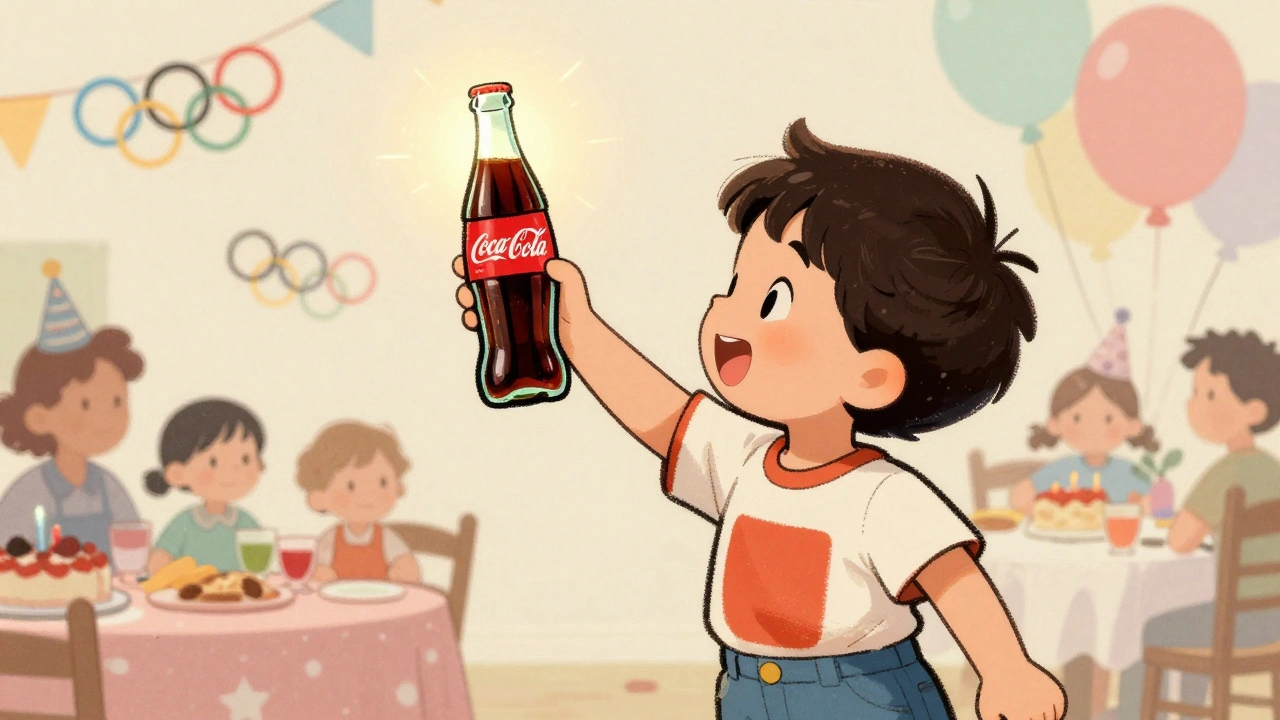
Think about the first time you saw a Coca-Cola bottle. Maybe it was at a birthday party. Or during the Olympics. Maybe you were seven years old, and your dad bought you a cold one on a hot day.
That moment wasn’t about the soda. It was about the red can. The curling white ribbon. The way the light caught the glass. That image stuck. And decades later, when you see it again, your brain doesn’t process it as a product. It processes it as a feeling.
A 2023 study from the University of Cambridge tracked 500 children from infancy. By age 2.7, 94% of them could pick out a Coca-Cola logo from a lineup of other soda brands-even though they’d never tasted it. Compare that to competitors using localized designs: only 61% recognition. Why? Because Coca-Cola never changed. Not in 138 years.
That’s not luck. That’s design. And it works because humans don’t remember facts-they remember feelings tied to visuals. When your brand stays the same, it becomes a mental shortcut. A trigger. A memory anchor.
The emotional safety net during crises
In 2020, the world shut down. People were scared. News outlets ran grim headlines. Brands scrambled to show they cared. Some changed their ads to be somber. To be serious. To be ‘with you in this.’
Coca-Cola didn’t. They kept their ‘Happiness’ campaign. Red cans. Smiling people. The same jingle. Critics called it tone-deaf.
But here’s what happened: 4.7 million positive social media mentions. 2.3 times more than competitors. A 2020 Edelman survey of 2,500 people found 68% said Coca-Cola’s consistency made them feel more emotionally connected during the crisis.
Why? Because in chaos, people crave stability. When everything feels unpredictable, your brand can be the one thing that doesn’t change. It becomes a quiet promise: Some things are still okay.
Other brands tried to be empathetic. Coca-Cola just stayed the same. And that’s what made people feel seen.
When your values are your identity
Patagonia doesn’t sell jackets. They sell a belief: that the planet matters more than profit.
Since 1973, they’ve kept that message. No matter what. Even when supply chains broke down in 2022, even when competitors paused their sustainability claims to save costs, Patagonia didn’t blink.
What happened? A 2024 survey of 3,000 core customers showed 73% felt personally betrayed when other outdoor brands wavered. But with Patagonia? Customer retention jumped 28 percentage points during the same period.
This isn’t about advertising. It’s about trust. When your brand stands for something, and you never compromise-even when it’s hard-customers don’t just buy from you. They stand with you.
That’s why a Patagonia T-shirt costs twice as much as a generic one. And why people still buy it. Because it’s not a shirt. It’s a statement. And it only works if the statement never changes.

Why athletes don’t care about your new slogan
Nike’s ‘Just Do It’ has been around since 1988. That’s 37 years. In that time, they’ve released thousands of ads. Different athletes. Different sports. Different stories.
But the slogan? Never changed. Not once.
A 2023 Filestage study asked 750 athletes: ‘When you’re pushing through a tough workout, what brand messaging motivates you?’
89% said Nike’s ‘Just Do It.’ Only 42% said any other brand’s messaging-even if it was more ‘personalized’ or ‘fresh.’
Why? Because ‘Just Do It’ isn’t a tagline. It’s a mantra. A mental cue. A voice in your head when you want to quit.
Change that? You lose the muscle memory. The emotional shortcut. The instant connection. That’s why Nike doesn’t test new slogans. They don’t need to. The old one already lives inside their customers.
The cost of changing too much
Here’s what happens when you try to be too flexible.
A major UK bank changed its logo for Pride Month in 2023. Added rainbow stripes. Ran ads saying ‘We stand with you.’
But their LGBTQ+ customers didn’t celebrate. They complained. 4.2 times more negative responses than usual. Why? Because the bank had never shown up for them before. This felt like a performance. A one-month act.
Meanwhile, brands that consistently support LGBTQ+ rights year-round-no flashy changes, just steady action-saw loyalty grow. Because consistency isn’t about decoration. It’s about character.
Reddit’s r/branding community analyzed 1,247 threads in 2024. 78% of marketing pros said customer complaints spiked when brands altered core identity elements-even for ‘good’ reasons. The more you change, the more people wonder: What else will you change next?
When consistency breaks down
There’s one rule: Consistency doesn’t mean ignorance.
McDonald’s has the same Happy Meal toy design in 119 countries. Kids recognize it instantly. But in India, they stopped using beef-based packaging in the 1990s. Why? Because it clashed with local beliefs.
In 2023, they made a mistake. A marketing team in India ran a campaign that still referenced beef products. Within 72 hours, 19,000 complaints flooded in. The brand didn’t break because it was inconsistent-it broke because it was insensitive.
Real brand consistency isn’t about copying the same image everywhere. It’s about holding the same core value and adapting the expression to fit the context. Coca-Cola stays red. But in China, they use traditional calligraphy on holiday cans. The meaning doesn’t change. The form respects the culture.

How to know if you should stay on brand
Ask yourself these questions:
- Does our brand represent a feeling, not just a product?
- Do our customers use our logo or slogan as a personal cue (like a mantra or memory)?
- Have we built trust around a value that people rely on?
- Would changing our look or message make people feel like we’re abandoning them?
If you answered ‘yes’ to even one of these, you’re in the 12% of Fortune 500 companies that should stay the course.
Most brands change because they’re afraid of being forgotten. But the truth? People forget brands that change too much. They remember the ones that stayed true.
The science behind why it works
In 2022, Coca-Cola ran an fMRI study. They showed people two versions of their logo: the real one, and a modified version with a different shade of red.
The brain’s emotional center-the amygdala-lit up 63% stronger when people saw the original. That’s not marketing. That’s biology.
A 2024 Kantar study of 8,500 people across seven product categories confirmed it: consistent branding triggers deeper emotional responses than any personalized ad ever could.
Your brain doesn’t need novelty. It needs reliability. And when your brand delivers that, it doesn’t just sell. It belongs.
What happens next?
By 2030, brands that stick to their core will have 3.2 times higher customer lifetime value than those that chase trends, according to Gartner’s 2025 forecast.
Coca-Cola’s brand value? $94.4 billion. The average consumer brand? $18.7 billion.
That gap isn’t because they spend more on ads. It’s because they never stopped being themselves.
So if you’re thinking about changing your logo, your slogan, your colors-ask yourself: Are you changing to grow? Or are you changing because you’re afraid you’re not enough?
The right answer isn’t always the new one. Sometimes, it’s the one you’ve had all along.
aditya dixit
December 6, 2025 AT 04:00There's something deeply human about sticking to a symbol that outlives trends. It's not about marketing-it's about belonging. When everything else is spinning, a familiar logo is like your childhood blanket. You don't need to understand why it comforts you-you just know it does.
Lynette Myles
December 6, 2025 AT 10:55Consistency is a trap. Every major brand that stayed the same got bought out by someone who changed everything. Look at Kodak. Look at Blockbuster. They clung to their logos while the world moved on.
Annie Grajewski
December 7, 2025 AT 19:10bro i just saw a coca cola ad where the can had a tiny emoji on it and i cried. not because it was sad. because i realized they’re still the same but now they’re trying to be cool?? like no. just be the red can. i don’t need your ‘vibes’.
Jimmy Jude
December 9, 2025 AT 10:37Let’s be real-this whole ‘brand consistency’ thing is just corporate laziness dressed up as wisdom. They don’t change because they’re scared to test anything. And then they pretend it’s ‘emotional trust’ when really it’s just brand inertia. We’re being sold nostalgia as strategy.
Mark Ziegenbein
December 9, 2025 AT 12:07The neuroscientific data here is compelling but incomplete. The amygdala response isn't just about visual consistency-it's about temporal continuity of symbolic representation within the limbic memory architecture. When a brand doesn't evolve, it becomes a cognitive anchor point, a fixed star in the chaotic constellation of consumer decision-making. This isn't marketing. This is behavioral archaeology. And the fact that Nike hasn't changed 'Just Do It' since 1988 isn't genius-it's evolutionary. The phrase has become a linguistic fossil embedded in the collective unconscious. To alter it would be to erase a cultural artifact.
Ada Maklagina
December 10, 2025 AT 15:31Patagonia’s not selling jackets. They’re selling a religion. And people don’t leave their religion just because the pastor changed his tie.
Harry Nguyen
December 10, 2025 AT 16:55They're all just puppets of the same multinational oligarchy. Coca-Cola didn't stay the same because it's authentic-it's because the FDA and the WHO let them get away with it. They control the narrative. The logo is a distraction. The real power is in the syrup formula they won't disclose.
Lucy Kavanagh
December 12, 2025 AT 11:54Did you know that the red in Coca-Cola’s logo was chosen because it’s the color that makes your heart beat faster? And they’ve been using it since 1886 because they knew people would get addicted to the feeling. It’s not branding. It’s mind control. And we’re all just walking billboards now.
Chris Brown
December 13, 2025 AT 01:20While the emotional resonance of consistent branding is empirically documented, one must not overlook the ethical implications of leveraging neurochemical dependency for commercial gain. The commodification of nostalgia is a form of psychological colonization. One cannot simply equate stability with virtue when the underlying product contributes to systemic health crises.
Stephanie Fiero
December 13, 2025 AT 03:00Y’all are overthinking this. People don’t care about your ‘neuroscience’ or ‘emotional anchors.’ They just want to see something they know when they’re stressed. My grandma buys Coke because it reminds her of my grandpa. That’s it. No deep meaning. Just love. Stop making it a TED Talk.
Carole Nkosi
December 14, 2025 AT 07:35Consistency only works if you’re already powerful. If you’re a small brand trying to survive, changing is survival. The rich get to be ‘authentic.’ The rest of us get to pivot or die. This post is just corporate gaslighting wrapped in neuroscience.
Stephanie Bodde
December 16, 2025 AT 03:33This made me cry 😭 my dad used to buy me Coke after soccer games. I haven’t had one in 10 years… but I saw one yesterday and I just stood there staring at it. Like… I still remember the taste of happiness. Thanks for reminding me.