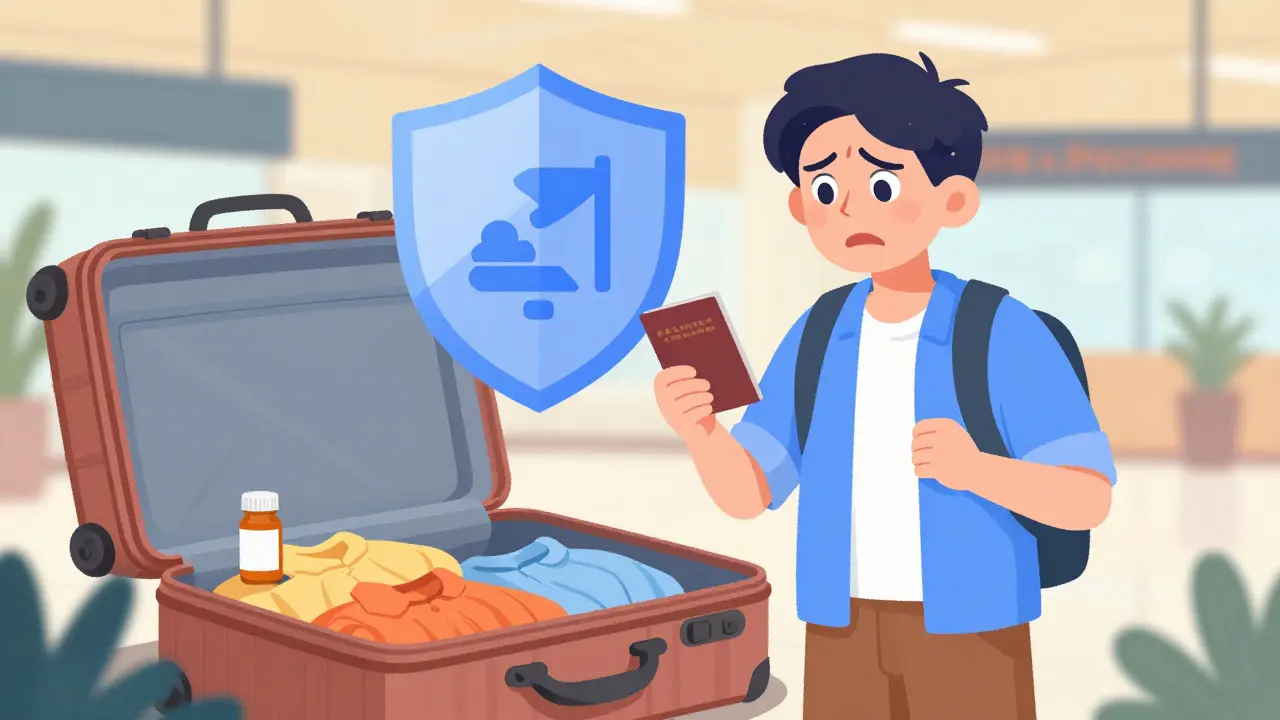
The Hidden Risk of Skipping Medication Coverage
You pack your suitcase for a month-long trip abroad. You check your passport, charge your phone, and double-check your flight times. But do you remember to pack enough extra medication? If you leave your daily supply at home and lose your luggage, or if you develop a sudden infection requiring antibiotics while overseas, your regular health plan might leave you paying out of pocket.
Travel Insurance is a financial safety net designed specifically for incidents occurring outside your home country. It addresses the massive gap left when domestic health providers stop covering you across borders. Without this protection, a simple visit to an urgent care clinic in a high-cost region could drain your savings before you even think about getting your usual prescriptions refilled.Understanding What Actually Gets Covered
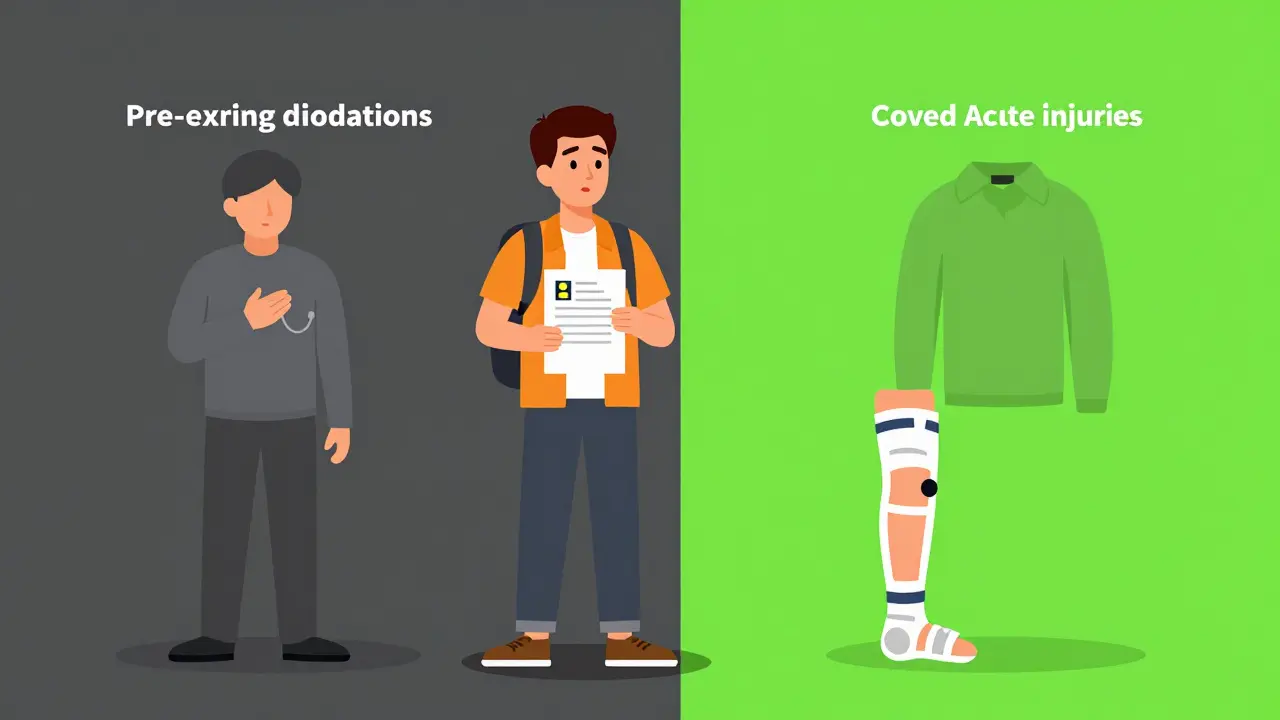
Many people assume buying a policy automatically means every pill you swallow is paid for. That is rarely the case. The industry makes a sharp distinction between acute emergencies and routine maintenance. If you break your leg skiing in Switzerland, the insurer typically covers the doctor visits, imaging, and the painkillers needed for recovery during that specific trip.
However, if you usually take medication for chronic blood pressure or diabetes, those supplies fall under a different bucket. Most policies explicitly exclude pre-existing conditions unless you bought a specific waiver before the trip began. According to the U.S. Travel Insurance Association (UStiA), over half of denied medication claims happen because travelers expected coverage for routine refills rather than new treatments. You need to read the fine print regarding "maintenance medications" versus "emergency prescriptions."
The Financial Mechanics: Deductibles and Limits
Picking a plan isn't just about the headline price tag. You need to understand the cost-sharing structure that kicks in when you file a claim. A typical policy sets a maximum limit per incident, often ranging from $50,000 up to $2,000,000 depending on the severity of the plan. While that sounds generous, the payout isn't necessarily the full amount you bill.
You will encounter two main costs before the insurer pays out:
- Deductible: This is the flat fee you pay first. If your policy has a $250 deductible, you pay the first $250 of any claim entirely yourself.
- Co-insurance: After hitting the deductible, you might still owe a percentage. An 80/20 split means the insurer pays 80% of the remaining bill, and you pay 20%.
Imagine you require antibiotics costing $1,000. With a $250 deductible and 20% co-insurance, you would pay the initial $250 plus $175 (20% of the remaining $750), totaling $425 out of pocket. Knowing these numbers helps you budget for potential gaps in cash flow while traveling.
| Type of Plan | Meds Covered | Typical Limit |
|---|---|---|
| Standard Travel Insurance | New acute illnesses only | $10,000 - $50,000 |
| Visitor Insurance (US) | Accidental injury + acute illness | $500,000+ |
| Credit Card Benefits | Emergency evacuation mostly | $500 - $1,000 |
| Medigap (International) | Emergency care (rarely meds) | 80% after deductible |
Navigating the Claims Process Successfully
Filing a claim shouldn't require a law degree, but preparation prevents rejection. When you realize you need medication abroad, the immediate priority is seeing a licensed physician locally. Pharmacies in many countries will not dispense controlled substances or even basic antibiotics without a local prescription. Keep the original receipt, and ensure it lists the medication name, dosage, and date clearly.
If you are using a provider with a direct billing network, like some PPO networks in the United States involving chains such as CVS or Walgreens, you might only pay your share at the counter. However, many travelers find themselves paying upfront and waiting for reimbursement. This process usually takes 7 to 14 business days. To speed things up, submit clear photos of your receipts and the prescription via the insurer’s app immediately upon returning. Waiting until you are back months later can trigger documentation reviews that slow approval down significantly.
The Myth of Medicare Abroad
For American retirees or seniors traveling internationally, relying on Medicare alone is risky. The program generally does not cover hospital services or doctor visits outside the U.S. territory, nor does it cover prescription drugs purchased abroad. While Medigap plans can offer limited supplemental coverage for emergencies-often 80% of costs after a lifetime cap-they are not designed for long-term care or medication maintenance overseas.
This creates a significant vulnerability for travelers aged 65 and older. Demographic data shows that this group accounts for nearly half of all medication-related claims despite being a smaller portion of total travelers. Understanding this gap is crucial before booking tickets. Supplemental visitor insurance becomes necessary to fill the void left by federal programs.
Avoiding Common Pitfalls and Denials
Even with a solid policy, claims get denied frequently due to misunderstandings. One major issue involves the definition of a "covered condition." If a traveler tries to claim a refill for a medication they were taking before the trip started, the system flags it as pre-existing. Another frequent error involves missing the timeline. Some insurers require you to contact them within 24 to 48 hours of the incident to initiate a claim. Failure to call their assistance hotline before seeking treatment can result in a refused claim.
Also, be wary of telemedicine services included in some modern policies. While convenient, virtual consultations sometimes face restrictions on prescribing certain controlled substances across borders. Always verify that the virtual doctor has the legal authority to prescribe the specific drug you need in your current location.
Choosing the Right Provider
The market has several major players offering robust plans. Companies like Allianz Global Assistance, founded in 1890, bring decades of experience to handling international claims. Newer firms like IMG or Seven Corners often specialize in high-limit visitor plans. Checking customer service scores is vital; providers scoring higher on support metrics usually streamline the reimbursement paperwork.
Look for policies that offer telemedicine integration, as 82% of major providers implemented these services recently to handle minor prescription needs remotely. This feature can save a trip to the clinic when you only need a replacement for a minor ailment like a bladder infection. Just ensure the plan allows direct payment at pharmacy partners to avoid large upfront costs.
Preparing Your Personal Pharmacy Kit
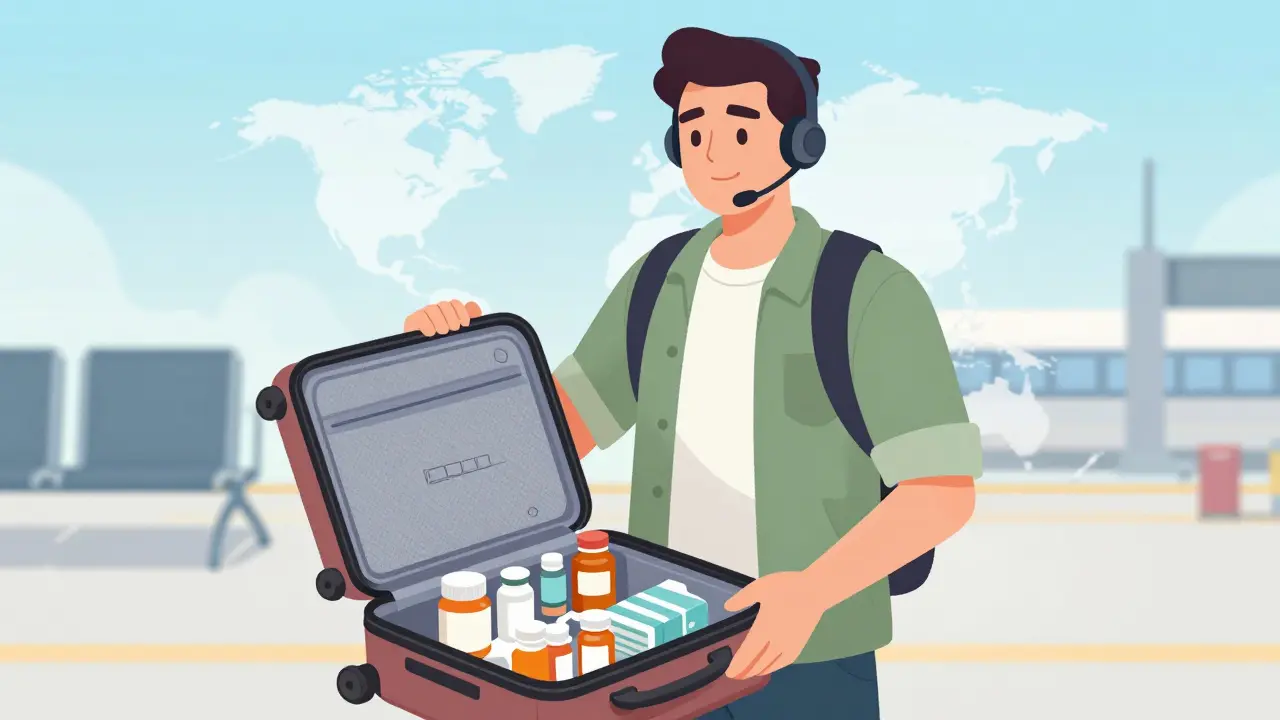
Insurance is a backup, not a replacement for planning. The smartest travelers carry enough of their regular medication to last two weeks longer than their planned return date. Keep these bottles in your carry-on luggage, never checked bags, to prevent loss. Bring a copy of your prescriptions from your home doctor in English, along with a translation if you are visiting non-English speaking regions.
This strategy reduces reliance on insurance for routine refills and ensures continuity of care if your insurance network fails to deliver quick approvals. Combining preparation with adequate travel insurance creates the safest possible shield for your health while exploring the world.
Does travel insurance cover my daily blood pressure pills?
Generally, no. Standard policies exclude maintenance medications for pre-existing conditions unless you purchased a specific waiver before travel. They are meant for new illnesses or injuries.
How much will I pay before the insurance kicks in?
You must meet your deductible first, which ranges from $0 to $2,500. After that, you may still owe a co-insurance percentage, typically around 20%, depending on your plan terms.
Can I use my insurance card at foreign pharmacies?
Only if you are in the insurer's specific network, such as PPO chains in the US. Otherwise, you will pay upfront and submit a claim for reimbursement later.
What documents do I need to claim medication expenses?
Keep itemized receipts, copies of the prescription, and notes from the physician linking the medication to a covered condition. Original paperwork is required for reimbursement.
Will Medicare cover my drugs if I get sick in Europe?
No, Medicare Part D does not cover prescription drugs purchased outside the US. You need separate travel insurance to protect against these costs.
Tony Yorke
March 27, 2026 AT 07:56Always pack extra pills just in case something goes wrong. 😎
Aaron Olney
March 27, 2026 AT 18:46i almost died last year becuz i forgot my insulin in checked bags and then lost them in london!!! the airline told me nothing i could do about it being my fault basically. imagine getting stuck there with no meds while your blood sugar spikes to dangerous levels fast. i was crying in the airport terminal feeling so helpless and scared for my life honestly. nobody helped me except some kind stranger who lent me money for a prescription there. travel insurance is literally saving grace stuff not some optional add on anyone should skip. why would anyone risk their health for saving few dollars on a yearly fee please?? its insane logic tbh.
Poppy Jackson
March 27, 2026 AT 22:32Your story really hits hard and reminds us to double check our packing lists. It sounds incredibly stressful to be alone in a strange place without medicine. You did the right thing by learning from it to warn others now. Keep your spirit strong and stay safe on future adventures. 💪
Monique Ball
March 28, 2026 AT 22:21I read through every detail of this guide and honestly feel so much better now about planning our family trip. It really helps to understand how deductibles work because we always worry about hidden costs during emergencies abroad. You never know when your regular doctor visits stop covering you once you cross international borders. Many people forget that standard health plans simply do not work overseas in most cases. We learned this the hard way when my husband needed urgent care in Japan last summer. The financial shock was completely unexpected until we saw the final bill arrive later. Having a dedicated policy gives peace of mind that outweighs the monthly cost significantly. It is crucial to check which prescriptions are considered maintenance versus emergency treatments. Pre-existing conditions require special attention before buying any coverage package. I recommend calling the insurance agent directly to clarify what falls under acute illness claims. Telemedicine options are a fantastic addition to modern policies for minor issues. Direct billing networks save so much time compared to waiting months for reimbursement checks. Keeping photos of receipts is a simple habit that streamlines the entire claims process. Seniors traveling specifically need extra layers since Medicare gaps are massive overseas. Investing in the right shield keeps your journey focused on fun rather than medical bills. 🌟✈️💊🛡️❤️
Sabrina Herciu
March 30, 2026 AT 11:47Please note that the distinction between acute emergencies and routine maintenance is absolutely vital for claim approval! Most travelers mistakenly assume that chronic medication refills are covered under standard policies! According to U.S. industry data, over half of denied claims involve routine refills rather than new treatments! You must purchase a waiver specifically for pre-existing conditions to ensure coverage continuity! Documentation requirements usually demand itemized receipts and physician notes linking the drug to a specific incident!
Rohan Kumar
March 31, 2026 AT 08:36Oh sure just trust the big insurance companies to actually pay up someday 🙄😂🤡. They probably have a secret meeting to decide who gets denied next week anyway 🕵️♂️💀. My cousin tried filing a claim once and got run around in circles for months straight. Typical corporate greed hiding behind fine print nobody actually reads fully. Just hoard cash and stay away from doctors unless you want your savings gone 👋🚫💰.
gina macabuhay
April 2, 2026 AT 01:02Stop making excuses for forgetting your own medications and expect corporations to bail you out of basic incompetence. People who skip reading the terms and conditions deserve every penny of financial loss they incur. It is irresponsible to book flights without securing proper coverage for high-cost regions. Blaming insurance providers for self-inflicted neglect is pathetic behavior at best. Take responsibility for your own health management instead of relying on safety nets.
tyler lamarre
April 3, 2026 AT 06:43Of course they tell you to carry extra supplies while also charging exorbitant fees for the privilege of knowing it. The real joke is the deductible structure which ensures the company keeps your money regardless. Smart individuals buy the waiver; everyone else learns the lesson the hard way.
Philip Wynkoop
April 4, 2026 AT 12:38good info here love the breakdown of costs 💸 just wish premiums were cheaper though 🥲 still better than paying full price abroad tho ✨
Sophie Hallam
April 4, 2026 AT 22:42Understanding these limitations helps everyone prepare better for international trips. It is comforting to see clear distinctions made between what gets covered and what does not. Reading the fine print saves significant trouble down the road for sure.
Jeannette Kwiatkowski Kwiatkowski
April 5, 2026 AT 04:50Honestly only people who lack proper planning skills struggle with these situations. If you cannot manage your own inventory why travel at all? Basic organization prevents most headaches entirely.
Debra Brigman
April 7, 2026 AT 03:33The essence of travel is encountering the unknown yet preparation anchors the soul. Insurance is merely a tool for navigating the chaotic void of foreign healthcare systems.
Devon Riley
April 8, 2026 AT 20:27Its amazing how prepared you all are getting for journeys ahead. Safety comes first always remember to check your limits. ❤️✨
Austin Oguche
April 8, 2026 AT 23:28In my country we view these contracts differently but respect rules everywhere. Understanding local laws helps avoid conflicts with providers abroad.
Paul Vanderheiden
April 10, 2026 AT 22:49you guys are doing great sharing knowledge like this its super helpful for everyone reading along keep it up! i learned alot about co-insurance percentages too thanks.