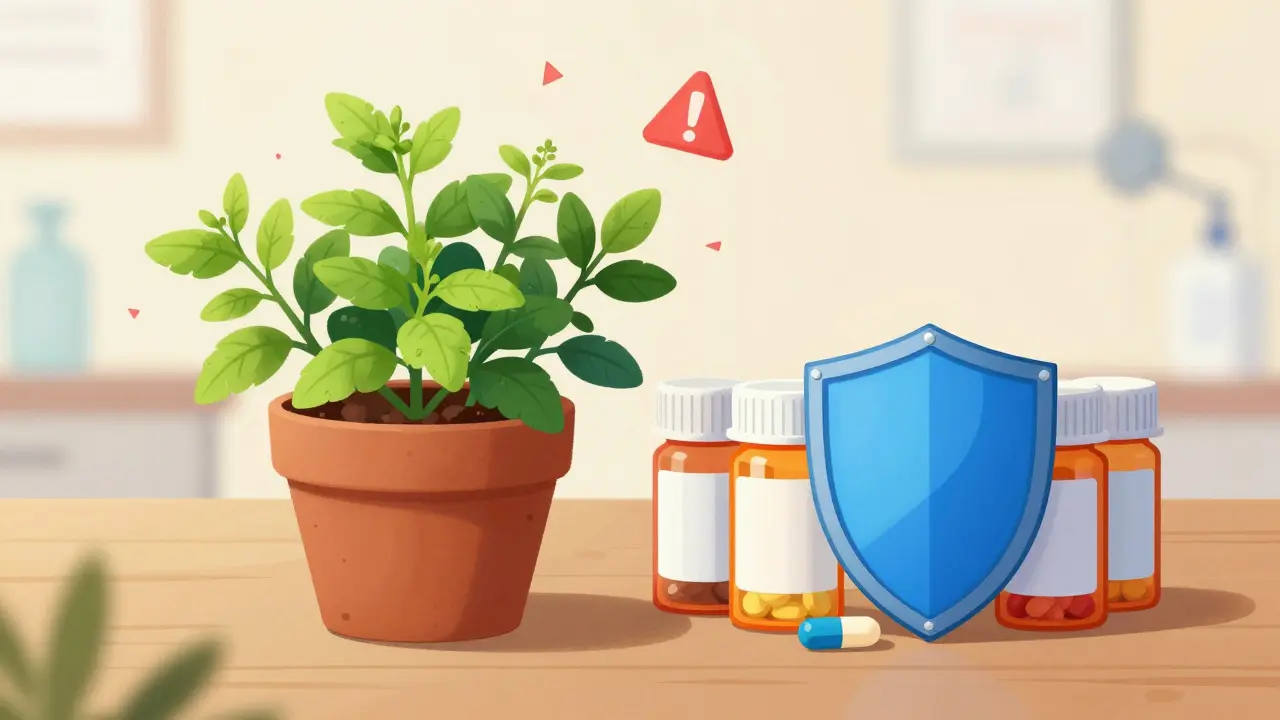
Quick Summary: Key Takeaways
- Dietary supplement risks are often underestimated because people assume 'natural' means safe, but they carry significant health dangers.
- Unlike prescription drugs, supplements are regulated as food under the Dietary Supplement Health and Education Act (DSHEA), meaning safety isn't proven before sale.
- Drug-supplement interactions can reduce medication effectiveness by up to 50% or cause severe bleeding and organ damage.
- Specific high-risk ingredients include St. John's wort, Vitamin K, and high-dose Vitamin A, which require careful monitoring.
- Always disclose all supplement use to your healthcare provider to prevent dangerous interactions and adverse events.
There is a common belief that if something is natural, it must be harmless. You might see a bottle of herbs on the shelf and think, "It's just a plant, how bad could it be?" That assumption is dangerous. In reality, medication risks and potential harm from dietary supplements are serious and often life-threatening. Every year, thousands of people end up in emergency rooms because they didn't understand how these products work in their bodies.
Think about the last time you visited a doctor. Did you tell them about the multivitamin you take every morning? What about the herbal tea you drink for stress? Most people don't. This silence creates a gap in safety. According to recent data, approximately 23,000 emergency department visits in the United States are linked to dietary supplement-related adverse events annually. That is a lot of people needing urgent care for something they thought was harmless.
The Regulatory Reality: Why Supplements Are Different
To understand the danger, you need to know how these products are managed. In the United States, the U.S. Food and Drug Administration (FDA) is the agency responsible for monitoring food and drug safety. However, the rules for supplements are very different from the rules for prescription drugs. Prescription medications must go through rigorous testing to prove they are safe and effective before they can be sold to you.
Supplements operate under the Dietary Supplement Health and Education Act (DSHEA) of 1994, which regulates them as a category of food rather than drugs. This means the manufacturer is responsible for ensuring safety, but they do not need to prove effectiveness to the FDA before marketing the product. The FDA only steps in after a product is on the market if they can prove it is unsafe. This creates a significant lag time. By the time a dangerous product is banned, many people may have already been harmed.
As of 2022, the FDA received approximately 5,000 supplement-related adverse event reports annually. Despite the industry generating over $52 billion in sales, the FDA has only banned 12 supplement ingredients since 1994 due to these regulatory restrictions. This gap leaves consumers vulnerable to products that haven't been thoroughly vetted for safety.
How Interactions Actually Happen
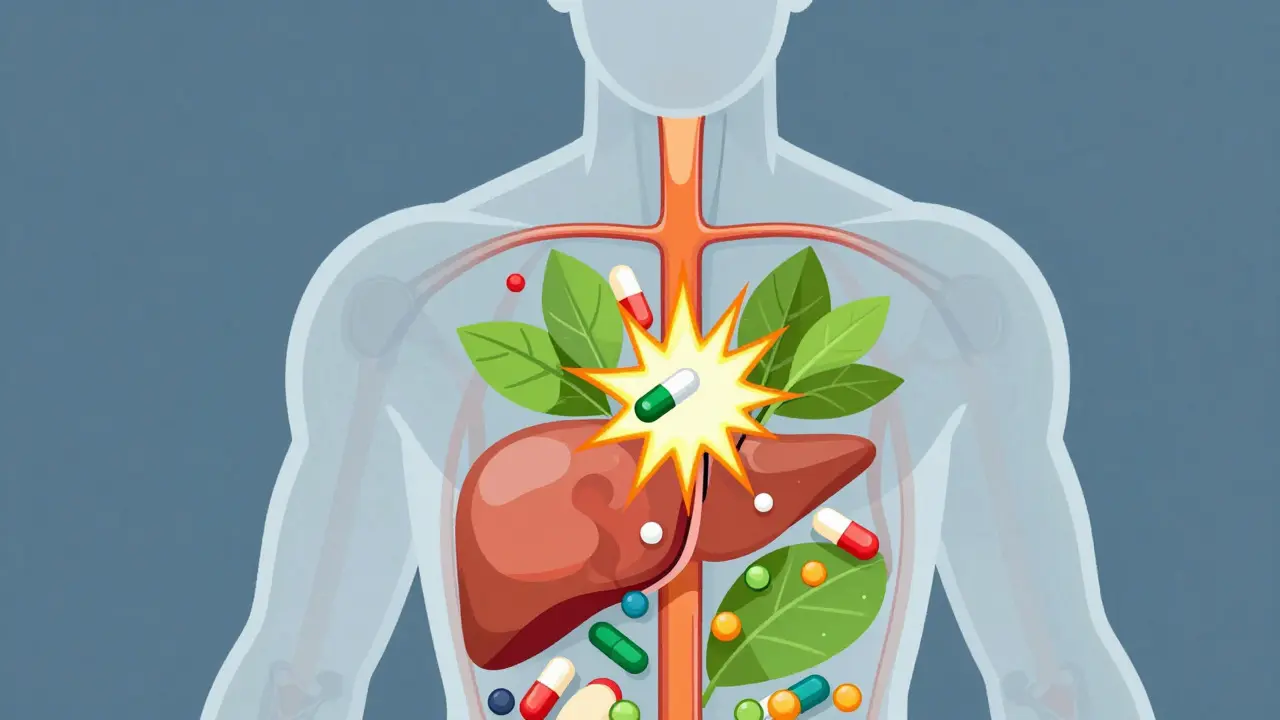
When you take a supplement and a medication together, they don't just sit in your stomach separately. They mix in your bloodstream and interact with your body's systems. There are two main ways this happens. First, there are pharmacokinetic interactions. This is where a supplement changes how your body processes a drug. Many drugs are metabolized by enzyme systems in your liver, specifically the cytochrome P450 enzymes.
If a supplement induces these enzymes, it can speed up the breakdown of your medication. This means the drug leaves your system too fast, making it ineffective. For example, the American Academy of Family Physicians reports that Asian ginseng induces CYP3A4 enzyme activity. This can decrease the effectiveness of calcium channel blockers, chemotherapy agents, HIV medications, and statins. Essentially, you are paying for a medication that isn't working because of a supplement you are taking.
Second, there are pharmacodynamic interactions. This happens when the supplement directly affects the drug's mechanism. If a supplement has a similar effect to a drug, the combined effect can be too strong. If they have opposite effects, the drug might not work at all. This complexity is why herbal products, with their complex phytochemical compositions, are a particular concern for doctors.
High-Risk Ingredients You Should Know
Not all supplements are created equal. Some ingredients are notorious for causing dangerous interactions. St. John's wort is an herbal supplement often used for mood support but known for severe drug interactions. Clinical trials consistently demonstrate that St. John's wort reduces plasma concentrations of oral contraceptives by 13-15%. It can also lower cyclosporine levels by 50-60% within just two weeks of concurrent use. If you are on birth control or immunosuppressants, this herb could put your health at serious risk.
Another critical interaction involves blood thinners. Warfarin is a common anticoagulant medication used to prevent blood clots. Vitamin K can decrease warfarin's anticoagulant effect by 40-50%, significantly increasing the risk of blood clots. Conversely, supplements like ginkgo biloba, garlic, and fish oil can increase bleeding time by 20-30% when taken with warfarin. This combination can lead to severe bleeding that requires hospitalization.
The American Cancer Society specifically warns that antioxidants like vitamins C and E may reduce chemotherapy effectiveness by 25-30% in certain regimens. Dr. Ryan T. Lee, a radiation oncologist at Memorial Sloan Kettering Cancer Center, states that certain dietary supplements can cause skin sensitivity and severe reactions during radiation treatment. This can potentially delay cancer therapy by 2-3 weeks due to healing complications. For cancer patients, avoiding all dietary supplements during treatment unless explicitly approved by their oncology team is standard advice.
| Supplement | Medication Class | Potential Risk |
|---|---|---|
| St. John's wort | Antidepressants, Birth Control | Reduced drug effectiveness (13-60%) |
| Vitamin K | Warfarin (Blood Thinners) | Increased clotting risk (40-50% reduction in effect) |
| Ginkgo Biloba | Aspirin, Warfarin | Increased bleeding time (20-30%) |
| Vitamins C & E | Chemotherapy Agents | Reduced cancer treatment efficacy (25-30%) |
| Asian Ginseng | Statins, HIV Meds | Altered drug metabolism via CYP3A4 |
When More Is Not Better: Toxicity Issues
You might think vitamins are always safe because they are essential nutrients. However, dose-dependent toxicity is well-documented. Taking too much of a vitamin can poison your body. Vitamin A acute toxicity occurs with ingestion of more than 300,000 IU. Chronic toxicity manifests with doses over 10,000 IU per day. Symptoms include skin desquamation, liver impairment, vision loss, and severe intracranial hypertension.
Vitamin D toxicity is mediated through hypercalcaemia, which means too much calcium in your blood. Symptoms range from thirst and frequent urination to seizures, coma, and death. High intermittent doses, such as over 300,000 IU monthly, are associated with a 15-20% increased risk of falls and fractures in elderly patients. This is counterintuitive; you take the vitamin to protect your bones, but too much can actually make you more likely to break them.
Vitamin E is another example. While often marketed for heart health, its antiplatelet effect increases hemorrhagic stroke risk by approximately 10% at doses over 400 IU per day. Dr. Pieter Cohen, an internist at Cambridge Health Alliance, notes that supplements can cause unwanted effects such as elevated blood pressure, increasing systolic pressure by 10-15 mmHg with bitter orange supplements. They can also cause racing or irregular heartbeat from ephedra-like compounds.
Real Stories from the Field
Statistics are important, but real stories drive the point home. Consider the case of a 68-year-old woman reported to FDA MedWatch in March 2022. She experienced severe bleeding requiring hospitalization after combining ginkgo biloba with aspirin. She likely thought she was supporting her heart health, but the combination caused her blood to thin too much.
Another case involved a 45-year-old man who suffered serotonin syndrome after taking St. John's wort with sertraline. Serotonin syndrome is a potentially life-threatening condition caused by too much serotonin in the brain. This report was added to the FDA Adverse Event Reporting System database in July 2021. These aren't rare anomalies; they are documented warnings that patients often ignore.
Online discussions also highlight these issues. On Reddit, a user reported severe insomnia and heart palpitations after taking 500mg of ashwagandha with their blood pressure medication. Another cancer survivor shared that their radiation oncologist made them stop all supplements during treatment after their skin reacted severely to vitamin E during the first radiation session. These experiences show that even popular supplements can clash with standard medical treatments.
How to Protect Yourself
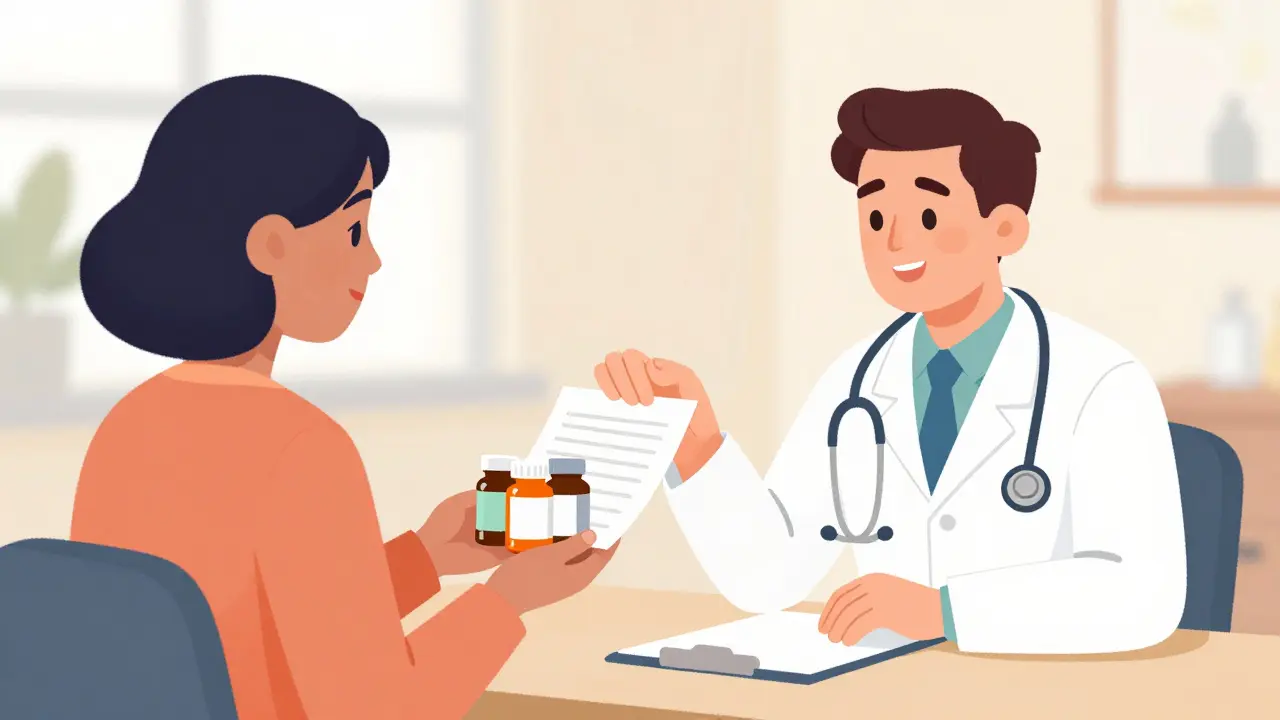
So, what can you do to stay safe? The most critical step is communication. The FDA recommends discussing all supplements with healthcare professionals before use. Research shows that 67% of dangerous interactions occur when patients don't disclose supplement use to providers. If your doctor doesn't know you are taking it, they cannot protect you.
Implementation requires maintaining a complete medication and supplement list updated at each medical visit. The NIH Office of Dietary Supplements recommends using their "My Dietary Supplement and Medicine Record" tool. This tool has been adopted by over 1,200 healthcare facilities since its 2019 launch. It helps you track everything you put into your body so your doctor can spot conflicts.
Healthcare providers should specifically screen for high-risk combinations. If you are on blood thinners, antidepressants, or birth control, ask specifically about St. John's wort. If you are taking warfarin, ask about Vitamin K. If you are undergoing cancer treatment, ask about antioxidants. If adverse events occur, the FDA instructs immediate discontinuation, seeking medical care, and reporting via MedWatch Online Reporting. In 2022 alone, this system processed 18,342 supplement-related reports.
Be wary of where you buy your products. The Council for Responsible Nutrition indicates that 45% of adverse event reports involve products purchased online, where quality control is less stringent. Stick to reputable retailers and check for third-party testing seals. The FDA's new Dietary Supplement Ingredient Advisory List launched in June 2023 has identified 12 high-risk ingredients including bitter orange and yohimbe. Checking this list before buying can save you from trouble.
Frequently Asked Questions
Are dietary supplements safe to take with prescription medication?
Not necessarily. Many supplements interact with prescription drugs, potentially reducing their effectiveness or causing harmful side effects. Always consult your doctor before combining them.
Why are supplements regulated differently than drugs?
Under the DSHEA of 1994, supplements are regulated as food, not drugs. Manufacturers do not need to prove safety or efficacy to the FDA before selling them, unlike prescription medications.
Can vitamins be toxic if taken in high doses?
Yes. Fat-soluble vitamins like A, D, and E can accumulate in the body. High doses can cause liver damage, bone fractures, increased stroke risk, and other serious health issues.
What should I tell my doctor about my supplements?
You should disclose every supplement, herb, and vitamin you take, including the dosage. 67% of dangerous interactions happen because patients do not share this information with their providers.
How can I report a bad reaction to a supplement?
You can report adverse events to the FDA via MedWatch Online Reporting. This helps the agency monitor safety and potentially ban dangerous ingredients.
Understanding the risks is the first step toward safety. The supplement industry is massive, with 85,000+ products available, but safety should not be an afterthought. By staying informed, keeping detailed records, and talking openly with your healthcare team, you can navigate these risks effectively. Your health is worth the extra conversation.
Monique Ball
March 27, 2026 AT 05:09I have been taking supplements for years and honestly this article really opened my eyes to the dangers we often ignore! It is so important that we all take responsibility for what we put into our bodies every single day. I used to think that natural meant safe but now I understand that plants can be just as potent as any pharmaceutical drug out there. We need to talk to our doctors more often and be completely honest about everything we consume. The statistics regarding emergency room visits are truly alarming and should make everyone pause for a moment. I know many people who rely on herbs for their health without realizing the potential interactions with their prescriptions. It is a scary thought that something you bought at a grocery store could actually harm your liver or stop your medication from working. We must remember that the FDA regulations are not as strict for supplements as they are for actual medicine. This creates a huge gap in safety that we are all responsible for bridging through our own vigilance. I am going to start keeping a detailed list of everything I take so I can show it to my healthcare provider. Communication is really the key to preventing these dangerous adverse events from happening to us. It feels empowering to know that we can take control of our health by just having one extra conversation. Please share this information with your family because they might not know about these risks either. We all want to live long and healthy lives but ignorance can be a very costly mistake in this regard. Thank you for posting this vital information for us all to read and learn from today! 🙏✨
gina macabuhay
March 28, 2026 AT 08:53It is frankly embarrassing that so many adults cannot read the label before swallowing a pill. You would think basic literacy would cover the fact that supplements are not regulated like drugs. People act like they are above the law of biology when they mix their own cocktails. Stop being so reckless with your own health and actually listen to medical professionals. The fact that you ignore warnings until you end up in the hospital is just negligence. We pay for healthcare with taxes and insurance premiums yet you choose to waste it on self-experimentation. It is time to grow up and treat your body with the respect it actually deserves. Do not expect others to clean up your mess when you ignore the obvious risks.
Philip Wynkoop
March 29, 2026 AT 03:34people really need to stop assuming natural is safe :)
Richard Kubíček
March 30, 2026 AT 23:55There is a philosophical angle here regarding trust in institutions versus trust in nature. We often seek purity in the wild but forget that nature is not inherently benign to us. The interaction between chemistry and biology is complex and requires humility. I believe we should approach our health with a mindset of curiosity rather than assumption. It is fascinating how regulatory frameworks shape our perception of safety so deeply. We must find a balance between skepticism and openness when consuming these products. Knowledge is the only true shield against the unknown variables in our diet. Let us all strive to be more informed participants in our own well-being.
Devon Riley
March 31, 2026 AT 14:06I really appreciate you sharing this perspective on the matter. It is so important to feel supported when learning about health risks like this. We all want to do the right thing for our bodies and families. You are doing a great job by reading up on these interactions carefully. Keep up the good work and stay safe out there. 🌟💪
Tommy Nguyen
April 1, 2026 AT 07:50good info here everyone should know this stuff
Kameron Hacker
April 2, 2026 AT 18:39While I understand the desire for natural remedies, the scientific evidence suggests otherwise. One must consider the empirical data before disregarding established medical protocols. It is imperative that we adhere to safety guidelines to prevent unnecessary harm. Ignorance is not a valid defense when it comes to pharmacological interactions. We should demand higher standards from manufacturers and regulators alike. This is a serious matter that requires a formal approach to resolution.
Poppy Jackson
April 3, 2026 AT 03:32my heart just sank reading about the bleeding risks involved here. it feels like a betrayal that these products are sold so freely. we are walking into a minefield without even knowing where the traps are hidden. the sheer volume of people affected is absolutely heartbreaking to witness. we need to wake up before it is too late for someone we love. this is a tragedy waiting to happen if we stay silent.
Monique Louise Hill
April 4, 2026 AT 01:40You really need to take responsibility for your choices instead of blaming the industry. It is your body and you are the one who decides what goes into it. Stop making excuses and start doing your own research properly. The world is not going to protect you from your own poor decisions. We all need to be more accountable for our health outcomes. 🙄👎