Athletic Medication Impact Analyzer
Beta-Blockers
Used for hypertension, anxiety, stage fright.
High RiskAntihistamines
Allergy relief (e.g., Benadryl).
Moderate RiskNSAIDs
Pain relief (Ibuprofen, Naproxen).
Moderate RiskDiuretics
Fluid retention, weight cutting.
Very High RiskCorticosteroids
Inflammation, asthma treatment.
Long-term RiskTRT / Hormones
Testosterone replacement therapy.
Prohibited*Analysis Results
Physiological Impact
Performance Metrics
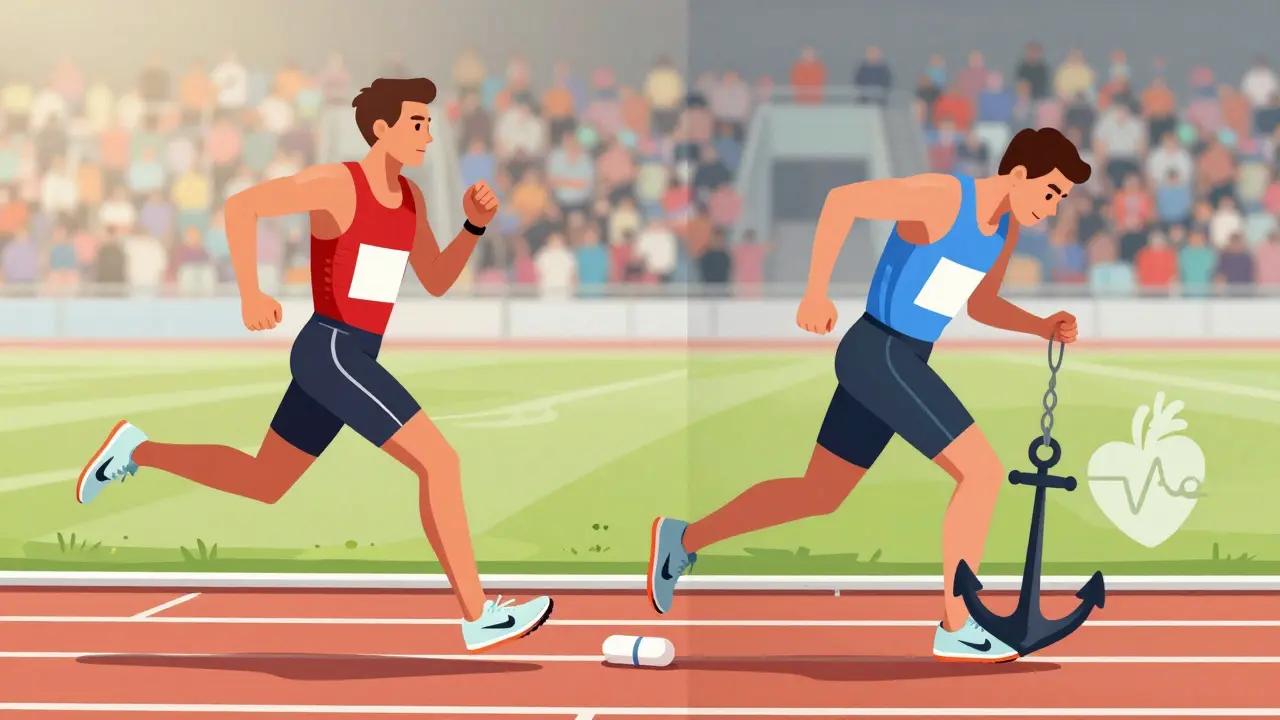
Imagine you are an elite runner preparing for a championship. You wake up with a severe headache and take your usual painkiller. Hours later, you step onto the track, feeling sharp and ready. But what if that simple pill is actually slowing your heart rate or dehydrating your body? For athletes, the line between necessary medical treatment and performance impairment is thinner than you might think.
We often focus on drugs that boost performance-steroids, stimulants-but we rarely talk about the medications prescribed for common ailments that can quietly sabotage athletic output. From beta-blockers used for anxiety to antihistamines for allergies, many standard treatments have side effects that directly contradict the physiological demands of sport. Understanding these interactions isn't just about avoiding disqualification; it's about protecting your health and ensuring your training yields results.
The Hidden Cost of Common Medications
Most people assume that taking a prescribed medication is neutral regarding physical activity. In reality, pharmacology doesn't care if you are sitting at a desk or sprinting a marathon. The World Anti-Doping Agency (WADA) maintains a Prohibited List that updates annually, but beyond the legal bans, there is a practical issue: how do these chemicals interact with high-intensity exertion?
Consider beta-blockers. These are commonly prescribed for high blood pressure, heart conditions, and even stage fright. They work by blocking the effects of adrenaline, which slows your heart rate and reduces blood pressure. For a person managing hypertension, this is life-saving. For a rock climber, archer, or cyclist relying on explosive power or steady cardiovascular output, beta-blockers can reduce maximal heart rate by 20-30%. This means you cannot reach the intensity required for effective training adaptations. You might feel calm, but your engine is capped.
Then there are antihistamines, specifically first-generation types like diphenhydramine (Benadryl). While they clear sinuses, they cross the blood-brain barrier and cause significant sedation and slowed reaction times. A soccer player needing split-second decision-making will find their cognitive processing delayed. Even second-generation antihistamines, while less sedating, can dry out mucous membranes, affecting hydration status during endurance events.
- Beta-blockers: Reduce heart rate and force of contraction, limiting aerobic capacity.
- Antihistamines: Cause drowsiness and slow neuromuscular response.
- NSAIDs (Ibuprofen, Naproxen): May impair muscle protein synthesis and increase renal stress when dehydrated.
- Diuretics: Often used for weight cutting, but dangerously disrupt electrolyte balance and blood volume.
Cardiovascular Risks Under Strain
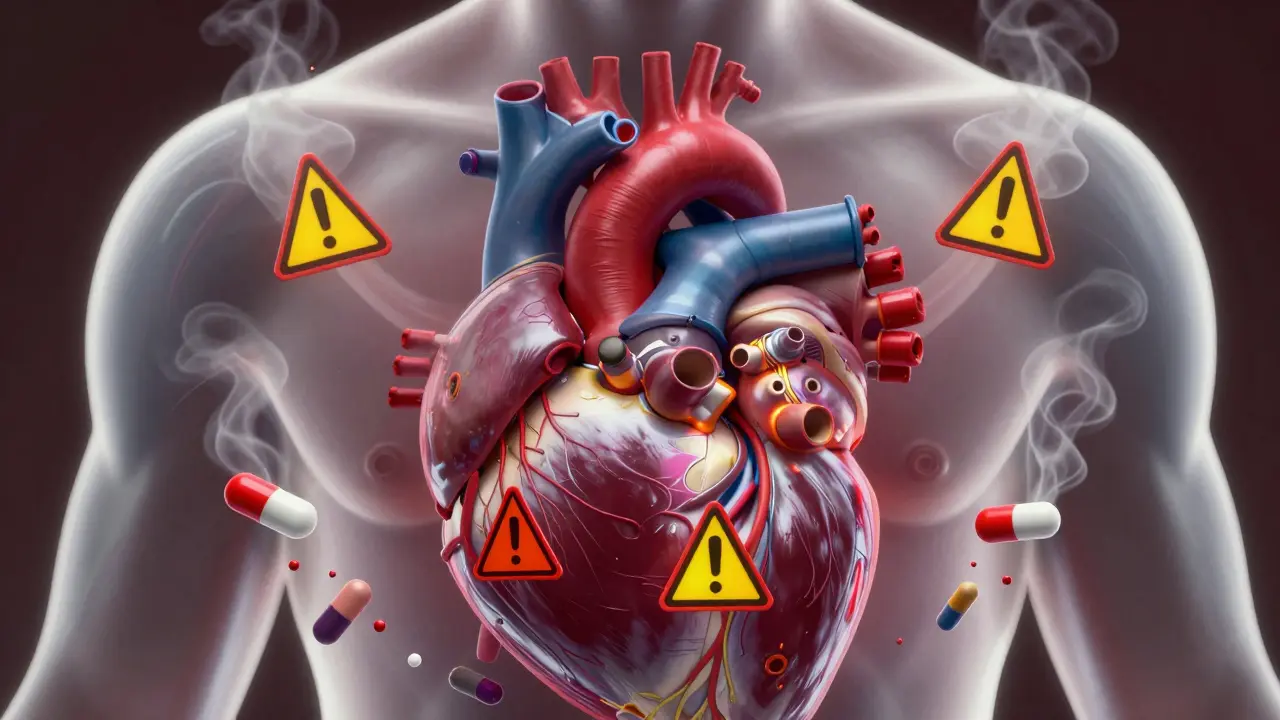
The heart is a muscle, and like any muscle, it responds to stress. However, certain medications alter how the heart handles that stress. According to data from the Mayo Clinic and studies cited in medical journals, cardiovascular strain is the most critical risk factor for athletes using unmonitored substances.
When an athlete takes stimulants-even legal ones like excessive caffeine or pseudoephedrine-their resting heart rate may spike, and blood vessels constrict. During exercise, this creates a double burden. The heart must pump harder against higher resistance while simultaneously trying to meet oxygen demands. Research indicates that chronic users of performance-enhancing agents exhibit 27-45% greater cardiac mass compared to controls, often leading to hypertrophy (thickening of the heart wall) that is not functional but pathological.
For those taking prescribed vasodilators or nitrates for chest pain, the combination with intense exercise can lead to dangerous drops in blood pressure (hypotension), causing fainting or falls. Conversely, athletes with undiagnosed heart conditions who mask symptoms with analgesics may push through warning signs, risking sudden cardiac arrest. The interaction between medication metabolism and sweat-induced dehydration further complicates this picture, as reduced blood volume makes the heart work inefficiently.
Hormonal Disruption and Recovery
Recovery is where gains are made, not just in the gym. Hormones regulate repair, inflammation, and energy storage. Many medications interfere with this delicate balance. Corticosteroids, often prescribed for asthma or inflammatory conditions, are powerful anti-inflammatories. While they reduce swelling, they also suppress the natural inflammatory response needed for tissue remodeling after strength training. Long-term use can lead to muscle wasting (atrophy) and bone density loss, directly opposing an athlete's goals.
Testosterone replacement therapy (TRT) presents another complex scenario. For men with clinically low testosterone (< 300 ng/dL), TRT is essential. However, for athletes, exogenous testosterone shuts down natural production. If an athlete cycles off without proper medical supervision, they may face hypogonadotropic hypogonadism, where the body stops producing its own hormones. This leads to fatigue, depression, and loss of muscle mass. The American Academy of Family Physicians (AAFP) notes that recovery from such suppression can take 6-12 months, a timeline that effectively ends a competitive season.
| Medication Class | Primary Medical Use | Athletic Side Effect | Risk Level |
|---|---|---|---|
| Beta-Blockers | Hypertension, Anxiety | Reduced Max Heart Rate, Fatigue | High (for endurance/power) |
| Corticosteroids | Inflammation, Asthma | Muscle Atrophy, Impaired Repair | Moderate (long-term) |
| NSAIDs | Pain Relief | Renal Stress, Blunted Hypertrophy | Moderate (if overused) |
| Diuretics | Fluid Retention | Electrolyte Imbalance, Cramps | Very High |

Navigating the Therapeutic Use Exemption (TUE)
If you need a banned substance for a legitimate medical condition, you are not automatically disqualified. The Therapeutic Use Exemption (TUE) process allows athletes to use prohibited medications under strict scrutiny. However, getting a TUE is not a rubber stamp. It requires proving that the medication is necessary for treating an acute or chronic medical condition, that it produces no additional enhancement beyond returning the athlete to normal health, and that no permitted alternative exists.
Documentation is key. You will need endocrine function testing, detailed medical histories, and proof that lower-dose alternatives were tried and failed. For example, an asthmatic athlete using inhaled corticosteroids must show that the dosage is within therapeutic limits and not being abused for anti-inflammatory benefits elsewhere in the body. The WADA guidelines state clearly that exemptions are not granted for symptom relief alone if it provides a competitive edge. This process can take weeks, so applying before competition is crucial.
Practical Steps for Safe Medication Use
How do you protect yourself? First, transparency with your healthcare provider is non-negotiable. Tell your doctor you are an athlete. Ask specifically: "Will this medication affect my heart rate, hydration, or reaction time?" Second, check the WADA Prohibited List annually. It changes every January. What was allowed last year might be banned today.
Avoid self-medicating with over-the-counter supplements or cold remedies. Many contain undeclared stimulants or diuretics. The FDA has found that nearly 90% of some supplement categories contain ingredients not listed on the label. Stick to pharmaceutical-grade medications from reputable sources. Finally, monitor your body. If you feel unusual fatigue, dizziness, or mood swings after starting a new medication, stop and consult a sports medicine specialist immediately.
Can I take ibuprofen before a race?
While ibuprofen is not banned, taking NSAIDs like ibuprofen right before intense exercise can increase the risk of kidney damage due to dehydration and reduced blood flow to the kidneys. It may also blunt the muscle-building response to training. Use sparingly and stay hydrated.
What should I do if I accidentally take a banned substance?
Report it to your anti-doping organization immediately. Most agencies have provisions for inadvertent contamination if you can prove due diligence. Keep all packaging and receipts. Do not hide it, as concealment carries heavier penalties than the initial violation.
Are herbal supplements safe for athletes?
Not necessarily. Herbal products are not strictly regulated like pharmaceuticals. Many contain hidden steroids or stimulants. Always choose supplements certified by third-party testing organizations like NSF Certified for Sport or Informed Choice to minimize contamination risks.
How long does a TUE application take?
It varies by country and level of competition, but typically takes 21 to 30 days. International federations may take longer. Apply well in advance of your season to avoid delays that could prevent you from competing legally.
Do beta-blockers help or hurt precision sports?
Beta-blockers reduce tremors and anxiety, which can help in shooting or archery. However, they are banned in Olympic target shooting and archery because they provide an unfair advantage by artificially stabilizing aim. In other sports, they may hinder performance by reducing power output.