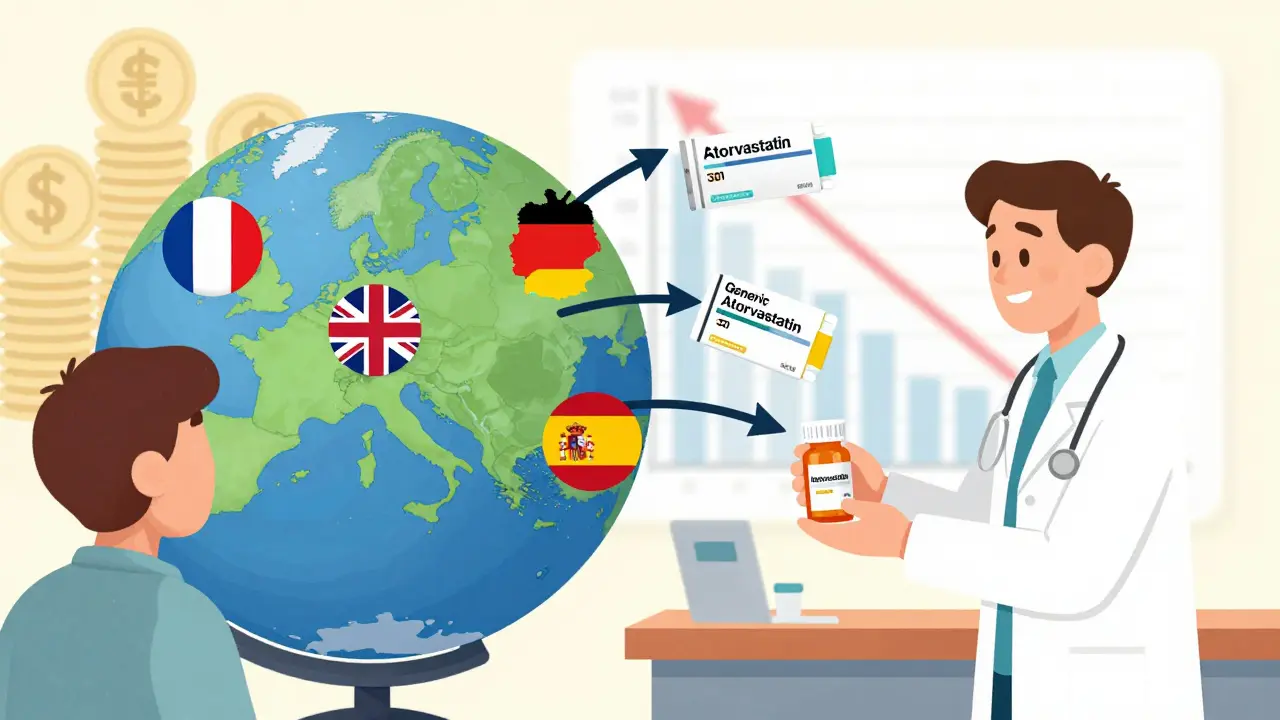
When you pick up a generic pill at the pharmacy, you might not think about how its price was decided. But behind every low-cost medicine is a complex system governments use to keep prices down-international reference pricing. It’s not magic. It’s math, politics, and sometimes, desperation.
What Is International Reference Pricing?
International reference pricing (IRP) is when a country looks at what other nations charge for the same generic drug and uses that to set its own price. It’s not about what the drug costs to make. It’s about what everyone else is paying. This isn’t new. Italy started it in 1984. By the 2020s, 34 out of 38 high-income countries were using some version of it. For generic drugs-those that copy brand-name medicines after patents expire-IRP became a go-to tool. Why? Because generics are cheap to produce. Once the patent expires, dozens of manufacturers can make the same pill. That should drive prices down naturally. But in reality, without rules, companies still charge too much. So governments stepped in.How It Works: Internal vs. External Reference Pricing
There are two main ways IRP is applied to generics: internal and external. External reference pricing means comparing prices across countries. For example, Germany might look at what France, Spain, Italy, the UK, and the Netherlands charge for a 10mg tablet of atorvastatin. Then it sets its own price based on the average or median of those five. Internal reference pricing is different. Instead of comparing countries, countries compare drugs. Germany’s system, called AMNOG, groups all interchangeable generics together-say, all 10mg atorvastatin tablets. Then it picks the cheapest one in the group and says: “Everyone else gets reimbursed at that price plus 3%.” If you’re selling a more expensive version, you’re on your own. Patients can still buy it, but they pay the difference. Most European countries use internal reference pricing for generics. Why? Because it’s simpler. You don’t need to track exchange rates or foreign discounts. You just set one price for the whole group.Which Countries Are Used as References?
Not every country is fair game. Most Western European nations use the same five: France, Germany, Italy, Spain, and the UK. These are stable markets with transparent pricing. Eastern European countries often pick Austria, Germany, and the Netherlands-countries with higher prices and better data. Switzerland does something unusual. It doesn’t just pick the average. It takes two-thirds of the international average and adds one-third from Swiss-specific prices. That’s a compromise: it keeps prices low but avoids being dragged down by cheaper neighbors. The OECD recommends using 5 to 7 countries. More than that? It backfires. A 2020 study by Professor Panos Kanavos found that countries using 10+ reference nations saw only 31% price reduction-but 12% more shortages. Too many references mean too many variables. Prices get messy. Supply chains break.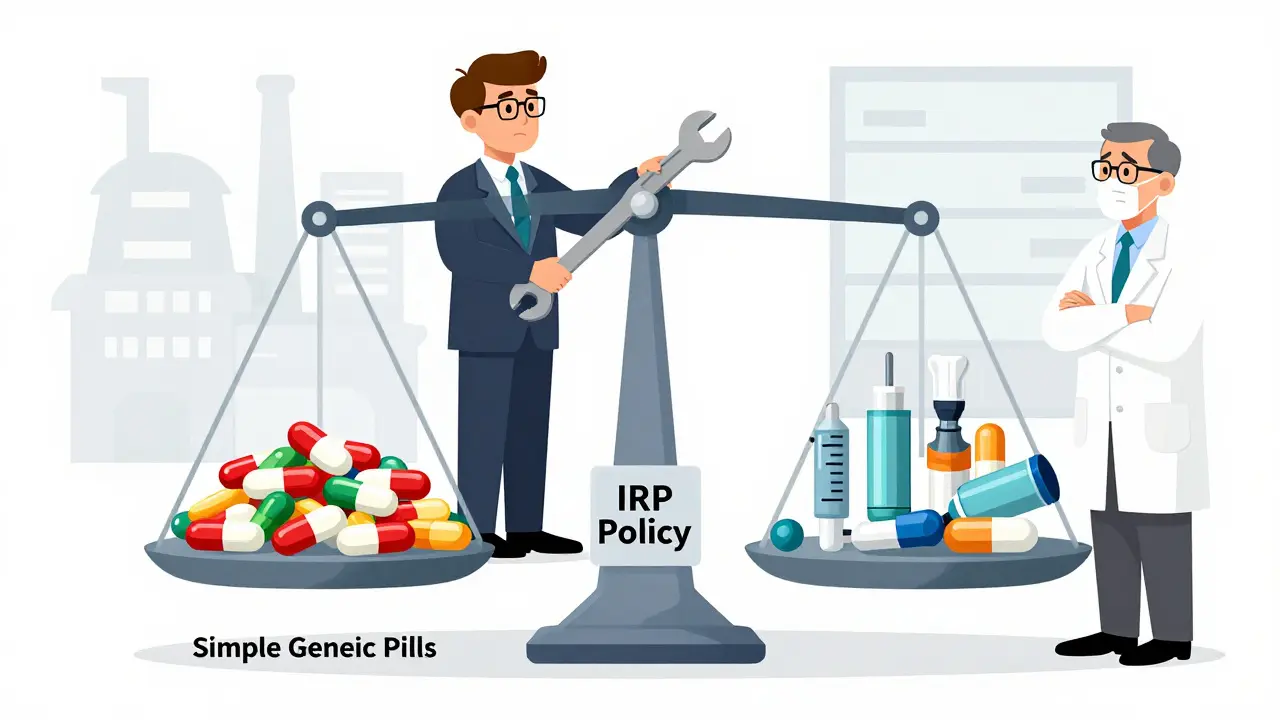
Why IRP Works for Generics (But Not Always)
The numbers speak for themselves. Countries using IRP for generics pay 25-40% less than those that don’t. In the Netherlands, generic prices are 65-85% lower than the original branded versions. In Germany, the reference system cut administrative costs by 37% because pharmacists and hospitals didn’t have to negotiate each drug individually. It also pushes substitution. In Spain, 89% of prescriptions for generics are filled with the lowest-priced option-up from 52% in 2010. That’s huge. It means patients get the same medicine at a fraction of the cost. But here’s the catch: IRP doesn’t work if you ignore reality. In Greece, during its financial crisis, prices were slashed every quarter. Manufacturers couldn’t keep up. By 2015, 37% of generic drugs were out of stock. Hospitals ran out of blood pressure pills. Patients waited weeks. The system was too aggressive. Portugal lost 22 generic products in 2019 because prices were set below manufacturing costs. Companies just walked away. No one made them anymore. And it’s not just about quantity. It’s about quality. Complex generics-like inhalers, injectables, or long-acting tablets-cost more to develop. Some cost nearly as much as brand-name drugs. But IRP treats them the same as simple pills. The FDA saw a 17% drop in new complex generic applications in countries with strict IRP. Why bother investing if you can’t earn back your costs?The Human Impact: Patients, Pharmacists, and Pharmacies
Patients usually don’t complain about lower prices. A 2021 OECD survey found 78% were happy with generic substitution under IRP. But 34% worried the cheaper version wasn’t as good. That’s not always true-but it’s a real fear. Pharmacists in Spain and Greece report frequent shortages of the reference-priced product. When the cheapest version runs out, they have to switch to a more expensive one. But patients are often locked into the reference price. So if the pharmacy can’t get the cheapest, they might not be able to dispense the drug at all. Manufacturers are caught in the middle. Teva’s 2022 report said its European generics revenue dropped 9% due to IRP-even though sales volume rose 15%. Sandoz, on the other hand, said well-designed systems helped them grow market share. The difference? One company adapted. The other fought.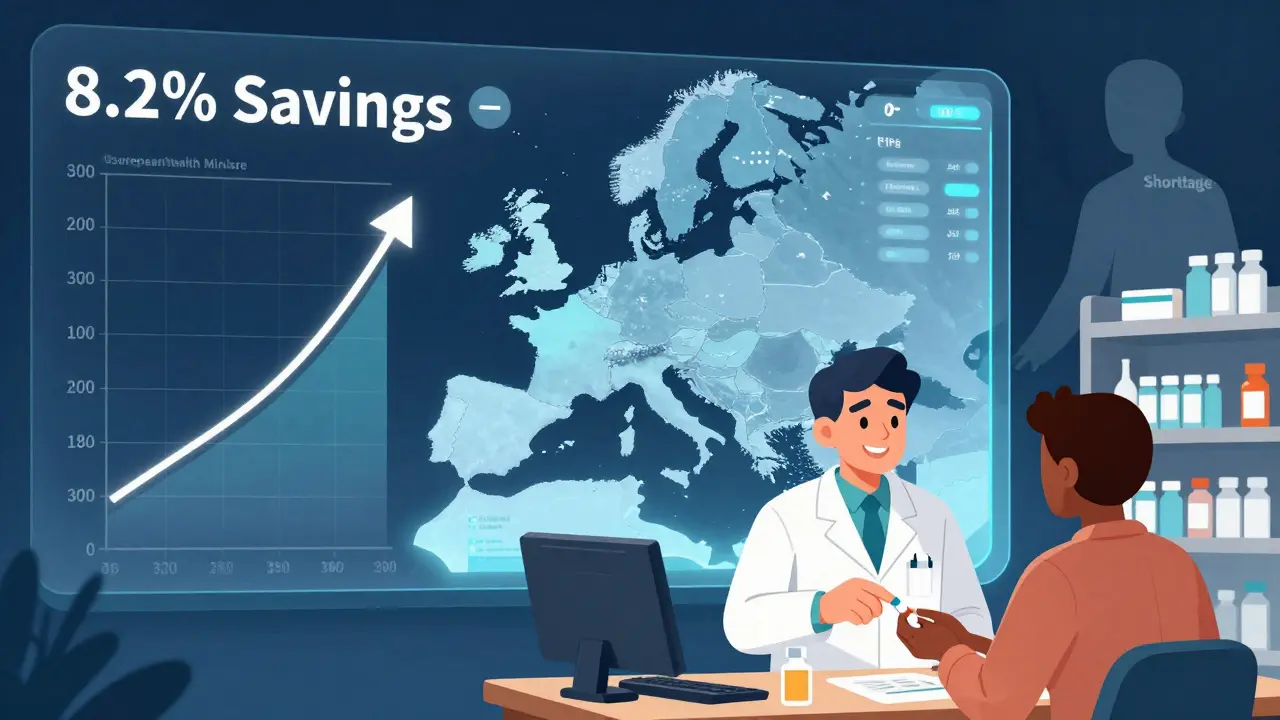
What’s Changing in 2026?
The system isn’t frozen. France launched a new “dynamic reference pricing” system in January 2023. Instead of setting prices once a year, it adjusts them quarterly based on market share. If a cheaper drug takes over, the reference price drops. Early results? 8.2% more savings. The European Commission started a pilot in April 2023: a shared platform where seven countries pool data on 15 generic drugs. By 2025, they plan to cover 100. This isn’t just about price-it’s about transparency. If everyone sees the same data, it’s harder to hide secret discounts. IQVIA predicts that by 2027, 65% of European generic prices will be set by reference pricing. But the trend isn’t just about cost. It’s about fairness. The OECD now says IRP systems should be “tiered”-meaning complex generics get different rules than simple ones. That’s a big shift.The Big Picture: Is IRP Sustainable?
Yes-but only if it evolves. IRP for generics works because it’s simple, predictable, and effective. It’s not perfect. It causes shortages. It discourages innovation. It punishes small manufacturers. But it’s the best tool we have to keep medicines affordable for millions. The future isn’t about getting rid of IRP. It’s about making it smarter. Grouping drugs by complexity. Adjusting prices faster. Protecting supply chains. Allowing room for quality. Countries that treat generics like they’re all the same will keep seeing shortages. Countries that treat them like what they are-medicines with different costs, different risks, different value-will keep their patients covered.Frequently Asked Questions
What is international reference pricing for generic drugs?
International reference pricing (IRP) is when a country sets the price of a generic drug by looking at what other countries charge for the same medicine. Instead of negotiating with manufacturers, governments use prices from a basket of similar countries-like Germany, France, or Italy-to determine what they’ll pay. It’s used to control costs and ensure affordability.
Does the United States use international reference pricing for generics?
No, the U.S. federal government does not use international reference pricing for generics. Medicare and Medicaid set prices through negotiation, bulk purchasing, or rebates. However, a few states like Colorado have tested limited IRP systems for Medicaid generics, achieving 12-15% savings. But these are exceptions, not national policy.
Why do some countries use internal reference pricing instead of external?
Internal reference pricing compares drugs within the same therapeutic group, not across countries. It’s simpler, avoids exchange rate issues, and reduces administrative burden. Germany, for example, groups all identical generic pills together and reimburses at the lowest price plus a small margin. This encourages competition among manufacturers rather than relying on foreign data.
Can international reference pricing cause drug shortages?
Yes, when prices are set too low. Greece had 37% of its generic drugs out of stock between 2012 and 2015 after slashing prices too aggressively. Portugal lost 22 generic products in 2019 because manufacturers couldn’t profit at the set price. IRP works best when it accounts for production costs and avoids punishing low-margin medicines.
How do countries choose which nations to reference?
Most Western European countries use France, Germany, Italy, Spain, and the UK. These nations have stable pricing systems and transparent data. Eastern European countries often pick Austria, Germany, and the Netherlands. The OECD recommends 5-7 countries to avoid complexity. Using more than 10 tends to reduce effectiveness and increase shortages.
Are complex generics treated differently under IRP?
Traditionally, no. But that’s changing. The OECD and European Commission now recommend tiered systems where complex generics-like inhalers or injectables-are grouped separately. These drugs cost more to make, so pricing them the same as simple pills risks driving manufacturers out of the market. New systems are starting to adjust for this.
What’s the future of international reference pricing?
IRP isn’t going away. By 2027, 65% of European generic prices are expected to be set this way. But future systems will be more flexible: dynamic pricing, shared platforms, and tiered groups based on drug complexity. The goal is no longer just to cut prices-it’s to keep supply stable, encourage quality, and support innovation-even in generics.
Dusty Weeks
January 1, 2026 AT 20:28IRP is just the government playing god with pills lol 🤡
Matthew Hekmatniaz
January 1, 2026 AT 22:44Interesting how the US doesn't use this but still pays 3x more for generics. It's not about cost-it's about who gets to profit. Other countries figured out that medicine isn't a luxury item. We're the outlier here, and it's embarrassing.
Sally Denham-Vaughan
January 3, 2026 AT 10:09I had to switch to generic blood pressure meds last year and saved like $200/month. No side effects, no drama. People act like generics are 'cheap knockoffs' but they're literally the same chemical. The system works if you don't overdo it.
Richard Thomas
January 3, 2026 AT 18:57There's a deeper philosophical tension here. We treat medicine as both a human right and a market commodity. IRP tries to reconcile that contradiction by using external benchmarks-essentially outsourcing moral judgment to other nations' economic realities. But when a country like Greece slashes prices to survive a crisis, it's not policy anymore-it's survival. And when manufacturers walk away, it's not a market failure-it's a failure of moral imagination. We need systems that don't just lower prices but preserve dignity in access.
sharad vyas
January 4, 2026 AT 23:02India makes most of the world’s generics. But we don’t use IRP. Why? Because we know what it’s like to have no medicine at all. So we make them cheap and sell them everywhere. Maybe the West should learn from us, not the other way around.
Paul Ong
January 6, 2026 AT 18:43Dynamic pricing is the future. Quarterly updates make sense. Stop setting prices like it’s 2005. The market moves. The costs move. The system should too. Simple. Clean. No drama.
Bill Medley
January 7, 2026 AT 13:16Complex generics require differentiated pricing. Treating inhalers like aspirin is economically irrational and clinically dangerous.
Andy Heinlein
January 8, 2026 AT 21:40so like if a company makes a better version of a generic but it costs 10% more they just get screwed? that feels kinda messed up. maybe we need a 'quality bonus' or something? just saying 😅
Liam George
January 9, 2026 AT 13:57IRP is a Trojan horse. The WHO, OECD, Big Pharma-they all push this to consolidate control. Who owns the reference data? Who decides which countries count? The EU? The US? Behind every 'transparent' pricing system is a lobby. The real goal isn't affordability-it's centralization. And once they control the price, they control the supply. Watch what happens when the next shortage hits.
Ann Romine
January 11, 2026 AT 10:09It’s fascinating how much cultural context matters. In places like Spain, patients trust the system because it’s consistent. In the US, we’re trained to equate price with quality. No wonder people are scared of generics-even when they’re identical. The fear isn’t about the drug. It’s about the story we’ve been told.