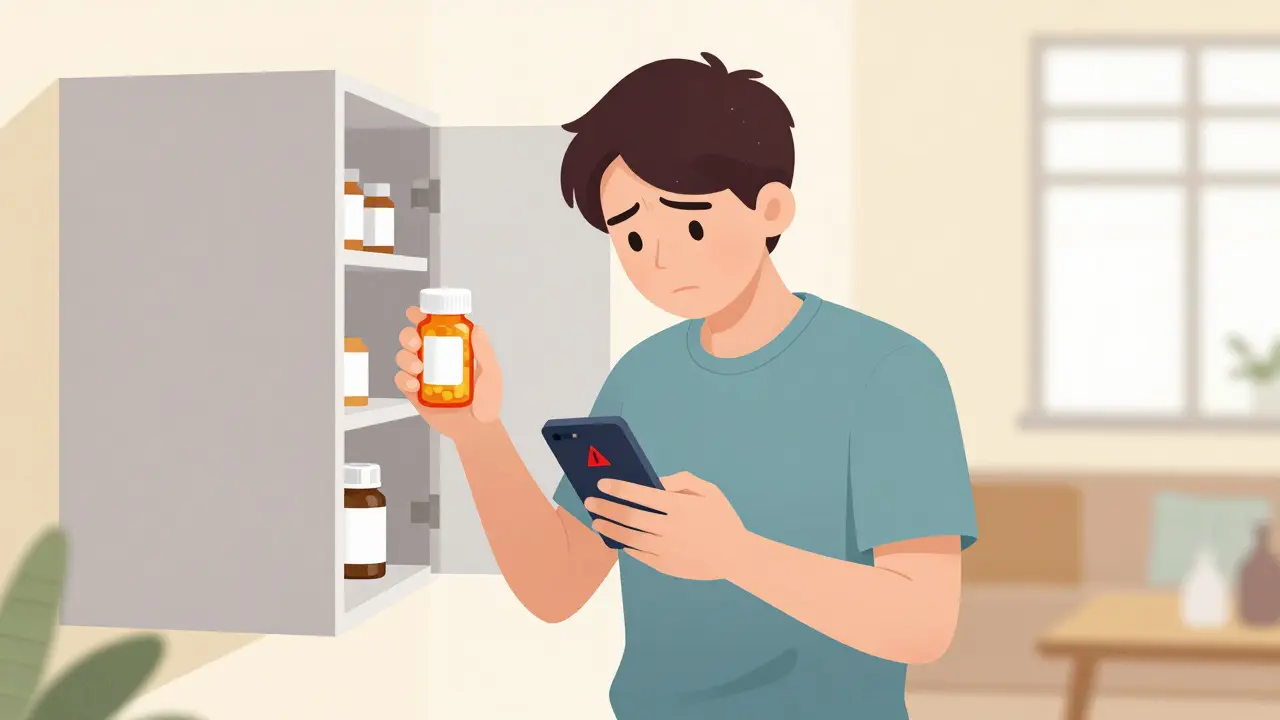
The Three Levels of Drug Recalls
Not every recall is an emergency. The FDA (Food and Drug Administration) categorizes recalls based on the level of risk. Understanding these classes helps you gauge how urgent your situation is.- Class I: The most serious. There is a reasonable probability that using the drug will cause serious health problems or even death. Think of this as a "stop immediately" warning.
- Class II: The most common. These medications might cause temporary or medically reversible health issues. For example, a drug that doesn't dissolve correctly might not work as well as it should, but it likely won't be fatal.
- Class III: The lowest risk. These drugs are unlikely to cause any adverse health consequences, but they still violate some regulation (like a labeling error).
Why Do Generic Drugs Get Recalled?
Generic drugs are chemically the same as brand-name drugs, but they are often made by different companies in different parts of the world. This complex supply chain is where things can go wrong. Most recalls boil down to three main issues.Manufacturing Failures (CGMP Violations)
Most recalls happen because of deviations in Current Good Manufacturing Practices, or CGMP. These are the strict rules factories must follow to ensure every pill is identical and pure. When a company fails an inspection-perhaps due to poor equipment calibration or inadequate staff training-the FDA may flag the products. Take the case of Glenmark Pharmaceuticals in April 2025. They had to recall nearly 40 types of generics, including Acetaminophen and Ibuprofen sold at giants like Walmart and Amazon, because their Indian facility didn't meet these CGMP standards. In this case, the recalls were Class II, meaning the risk was low, but the quality wasn't where it needed to be.Dissolution Issues: When Pills Don't Melt
For a drug to work, it has to dissolve in your body at a specific rate. If it dissolves too slowly or too quickly, you aren't getting the right dose. This is called a "failed dissolution specification." This was a major issue for millions of people in 2025. Generic versions of Atorvastatin (used for cholesterol) and lisdexamfetamine (generic Vyvanse) were recalled because they didn't dissolve as expected. For someone taking a statin to prevent a heart attack, a pill that doesn't dissolve properly means their cholesterol isn't being managed, which is a silent but serious risk.Contamination and Seal Leaks
Sometimes, something that shouldn't be in the drug gets in. This could be a microscopic particle, a mold spore, or cross-contamination from another medication made in the same factory. One of the most alarming examples involved fentanyl patches. Millions were returned not because of the ingredients, but because of leaked seals. A leak can lead to under-dosing (where the pain isn't managed) or, far worse, an accidental overdose if too much medication is released at once. This highlights why physical packaging is just as important as the chemical formula.| Recall Reason | What it Means | Real-World Example | Typical Risk Level |
|---|---|---|---|
| CGMP Violations | Poor factory standards/hygiene | Glenmark (Acetaminophen/Ibuprofen) | Class II / III |
| Dissolution Failure | Pill doesn't dissolve correctly | Sun Pharma (Generic Vyvanse) | Class II |
| Contamination | Foreign particles or leaks | Fentanyl Patch seal leaks | Class I / II |
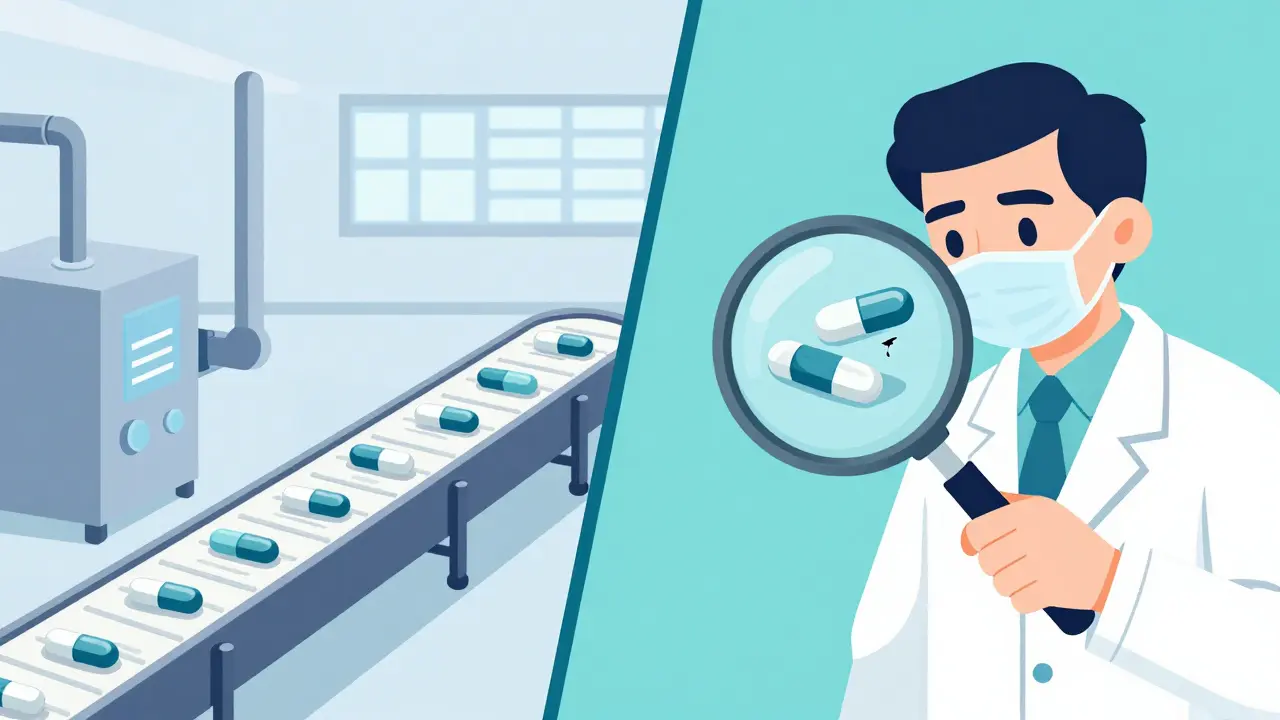
The Global Supply Chain Problem
Why does this happen so often with generics? A huge part of the answer is geography. A massive amount of generic medicine is manufactured outside the U.S., primarily in India and China. In fact, about 68% of all drug recalls between 2015 and 2024 came from foreign facilities. Because these plants are thousands of miles away, the FDA can't inspect them as often as local plants. While the government is trying to fix this-by increasing inspection frequency and using new risk-based targeting systems-the gap in oversight remains a vulnerability. This is why some companies are now building independent quality verification centers directly in those countries to catch errors before the ships ever leave the port.What to Do If Your Medication Is Recalled
Finding out your medicine is recalled can cause panic, but the wrong reaction-like stopping your meds instantly-can be more dangerous than the recall itself.- Don't Panic and Don't Stop Abruptly: This is the most important rule. For medications like stimulants (ADHD meds) or blood pressure pills, stopping suddenly can cause severe withdrawal or a "rebound" effect. Always call your doctor first.
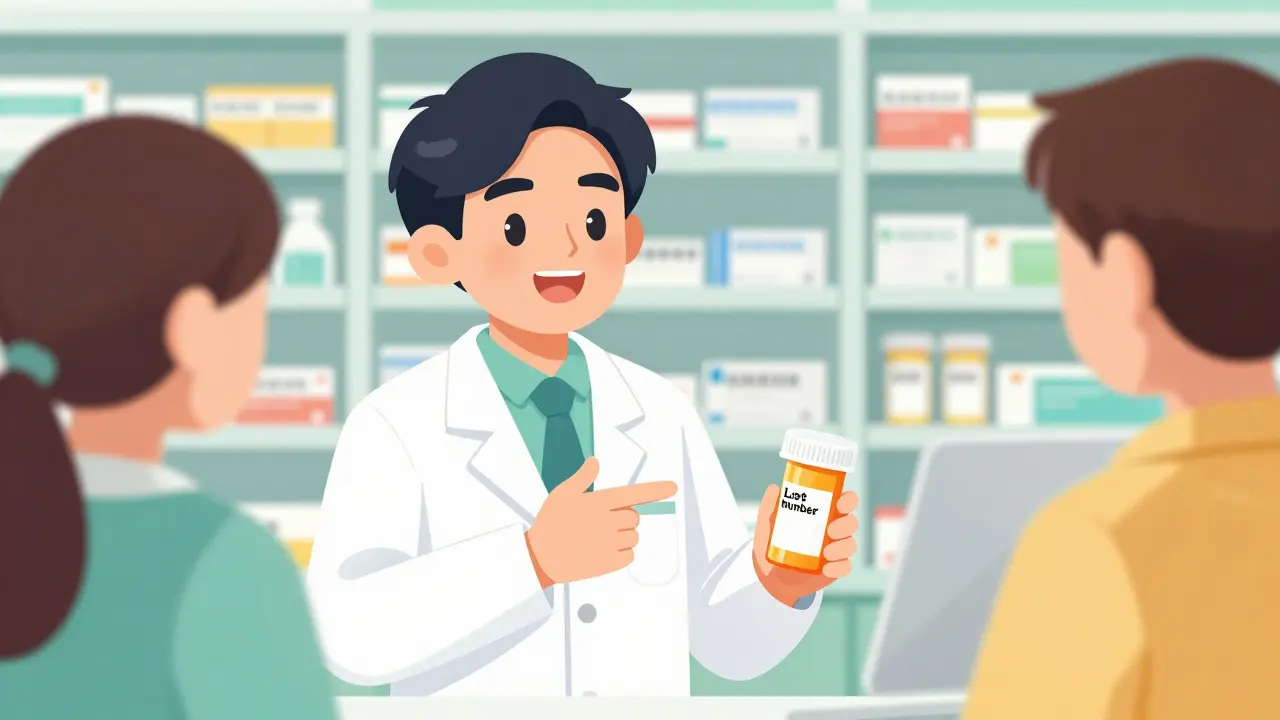
- Check Your Lot Number: Every bottle has a lot number. Compare this to the official recall notice. If your number isn't on the list, your specific bottle might be perfectly fine.
- Contact Your Pharmacy: Most big chains like CVS or Walmart have automated systems that alert you during refills. If you're affected, they can usually provide a replacement or a refund.
- Report Side Effects: If you suspect a drug caused a problem, use the MedWatch program to report it. This helps the FDA catch patterns faster.
The Ripple Effect: Shortages and Costs
Recalls don't just affect the patient; they shake up the whole healthcare system. When a major generic is pulled, it often leads to a shortage. On average, these shortages last about eight weeks. For someone relying on a statin for heart health, an eight-week gap is a significant medical risk. For the companies, the cost is staggering. A single major recall can cost a manufacturer nearly $48 million when you factor in shipping the bad product back, lost sales, and the hit to their reputation. We saw this with Glenmark and Sun Pharmaceutical, both of which saw their stock prices drop significantly after their 2025 recalls.Are all generic drugs unsafe because of these recalls?
Absolutely not. The vast majority of generic drugs are safe and effective. Recalls are actually proof that the monitoring system works; it identifies a small percentage of bad batches and removes them before they can harm the general public.
How can I find out if my medicine has been recalled?
The best way is to check the FDA's official enforcement reports or the manufacturer's website. Additionally, many pharmacies now send automated alerts to patients via email or text if a lot number they purchased is flagged.
What is a "lot number" and where do I find it?
A lot number is a unique identification code assigned to a specific batch of medicine. You can usually find it printed on the side of the bottle or the bottom of the packaging, often near the expiration date.
Can I get my money back for a recalled drug?
Yes. In most cases, you can return the recalled medication to the pharmacy where you bought it for a full refund or a replacement bottle from a safe lot.
Why are so many recalls linked to India and China?
Many generic drug ingredients and finished products are manufactured there due to lower costs. However, the distance makes it harder for the FDA to conduct frequent, surprise inspections, which can sometimes lead to lapses in manufacturing quality.
Mark Koepsell
May 1, 2026 AT 12:35Always check the NDC code on the packaging if you're unsure about the lot number. Most pharmacies can cross-reference that immediately in their system.
Robert Cowley
May 2, 2026 AT 00:38Oh great, so we're just supposed to trust that the 'safety system' is working while we swallow random chemicals from halfway across the world? Absolute joke 🙄 Absolute disaster waiting to happen!!
Sarah Mifsud
May 3, 2026 AT 17:05I laenred that some pharamcies actually call you personally if you're on a high risk med, so it's worth asking your pharmacist to add a note to your profil for extra safety.
Rebekah Korak
May 5, 2026 AT 02:51The very notion that we can outsource the alchemy of survival to the lowest bidder is a testament to the decay of modern civilization. We have traded quality for a perceived efficiency that is, in reality, a slow-motion collapse of the biological contract we have with our own bodies. It is quite telling that the system relies on 'voluntary' recalls, which is essentially the corporate equivalent of admitting you messed up only after you realize the liability outweighs the profit. We live in an era where the pill is the product and the patient is merely the data point in a global experiment of cost-reduction. This systemic failure isn't just about a few bad batches of Ibuprofen, but about a globalist architecture that prioritizes the supply chain over the actual human life at the end of that chain. If we don't start valuing localized production, we're basically just playing Russian roulette with our medicine cabinets every single morning. It's just fundamentally broken.
Bradley Gusick
May 6, 2026 AT 10:43This is exactly why we need to bring every single factory back to US soil immediately! Why are we letting China and India hold our health hostage?? It's a national security threat, plain and simple! The globalist elites want us dependent on foreign pills so they can flip a switch and shut us down!
Leah Sentz
May 8, 2026 AT 02:49SICKENING!! 🤮 We are being poisoned by foreign factories while the govt just watches 🇺🇸🇺🇸 Bring it home NOW!! 💊🚫
Srinivas Komakula
May 8, 2026 AT 13:21The systemic propensity for CGMP violations suggests a deliberate obfuscation of pharmaceutical purity standards... possibly to mask the introduction of bio-synthetic markers!! The FDA's 'risk-based targeting' is merely a smokescreen for deep-state surveillance of the supply chain!!
Preety Singh
May 10, 2026 AT 01:12The preoccupation with the geographic origin of these failures is quite pedestrian. The true issue is the intellectual bankruptcy of the generic industry which prizes volume over the sanctity of precision
Seema Karanje
May 11, 2026 AT 07:08STOP BEING SCARED AND START BEING PROACTIVE!! Check your bottles NOW and demand better from your providers!! Stop playing the victim and take control of your health!!
Lando Neal
May 13, 2026 AT 03:34I wonder if there is a way to track the specific factory instead of just the company... that would be so helpful!!!
Christina Lancey
May 13, 2026 AT 15:44It's good to remember that most of these issues are caught early. We can all work together to stay informed.
J. Walter Jenkem
May 14, 2026 AT 02:27Taking a moment to organize your meds is a great habit for everyone, regardless of recalls.
Elizabeth Holden
May 14, 2026 AT 08:00obvs’ly just a cash grab by the big brands to make generics look bad lol. typical fda failur 🙄