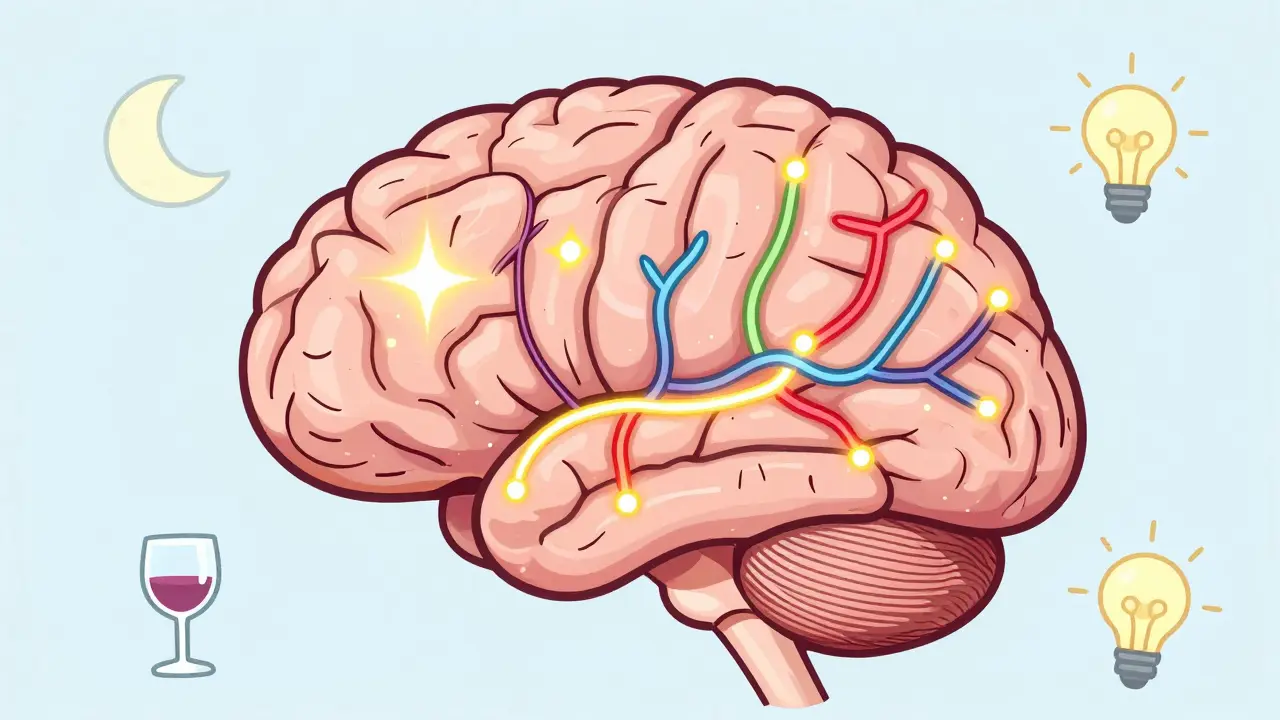
When someone has a seizure, it’s not just a momentary loss of control-it’s a signal that something deeper is happening in the brain. Epilepsy isn’t one condition. It’s a group of neurological disorders tied to recurring, unprovoked seizures. And how we classify those seizures has changed dramatically in the last few years. The old terms like "partial" or "complex" are gone. Now, doctors use focal and generalized to describe where seizures start. This shift isn’t just semantics-it changes how treatment works, what medications are chosen, and even whether a patient gets the right care at all.
What Really Counts as Epilepsy?
Having one seizure doesn’t mean you have epilepsy. The International League Against Epilepsy (ILAE) says you need either two unprovoked seizures more than 24 hours apart, or one seizure with a high chance-60% or more-of having another. That’s because isolated seizures can be caused by things like low blood sugar, alcohol withdrawal, or a head injury. Epilepsy is when the brain develops a lasting tendency to spark seizures without an obvious trigger.
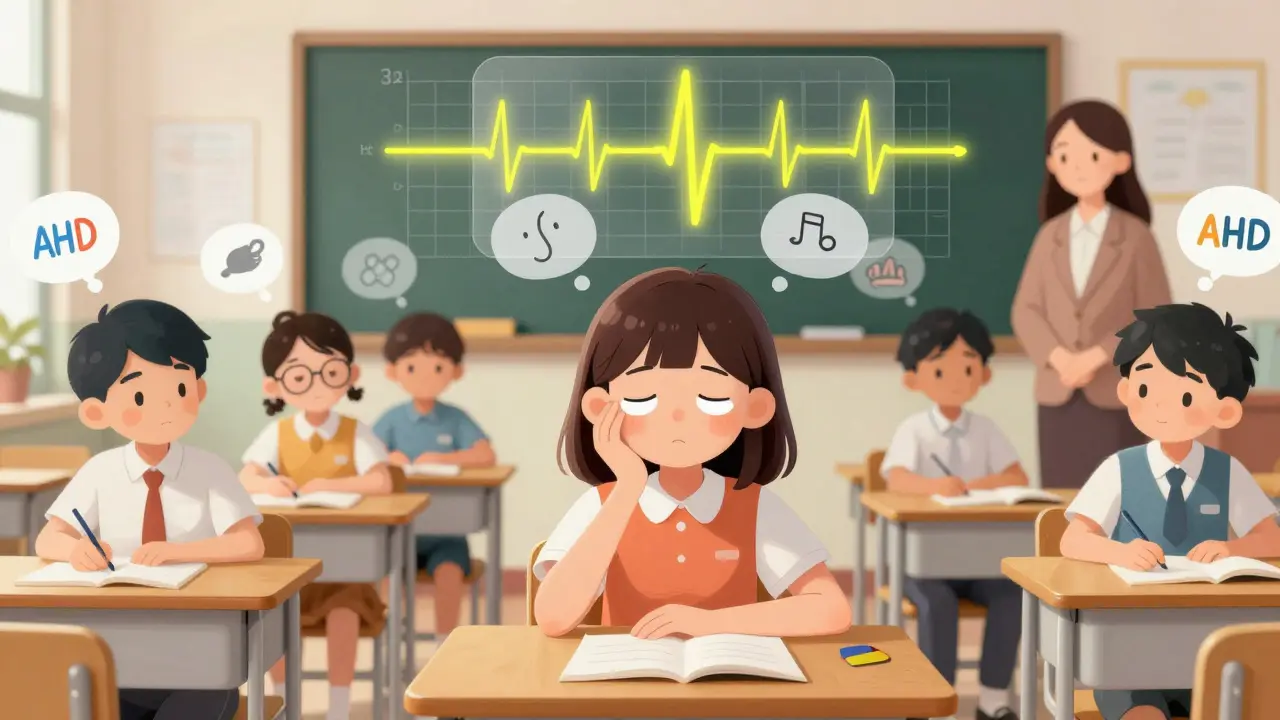
Worldwide, about 50 million people live with epilepsy. In the U.S., that’s 3.4 million. Every year, 5 million new cases are diagnosed. Yet, nearly 8 out of 10 patients report being misdiagnosed at least once. Why? Because seizures don’t always look like the dramatic convulsions shown on TV. Many are subtle-staring blankly, blinking rapidly, or suddenly losing awareness for a few seconds. These are often mistaken for daydreaming, panic attacks, or even ADHD in children.
The New Seizure Classification: Simpler, Clearer
In 2025, the ILAE updated its seizure classification system, cutting the number of named seizure types from 63 down to just 21. The goal? Make it easier for doctors-especially those without specialist training-to get it right the first time.
Seizures are now grouped into four main types:
- Focal seizures-start in one area of the brain
- Generalized seizures-affect both sides of the brain at once
- Unknown onset-you don’t know where it started
- Unclassified-not enough data to say
Focal seizures are split into two categories based on consciousness:
- Aware (formerly "simple partial")-you’re fully awake during the seizure. You might feel a strange smell, see flashing lights, or have a tingling in your hand. You remember it all.
- Impaired awareness (formerly "complex partial")-you lose awareness. You might stare, chew without meaning to, or wander around. Afterward, you have no memory of it. This is the most common type of focal seizure, making up about 75% of cases.
Generalized seizures include:
- Absence-brief staring spells, often in kids. Lasts 5-10 seconds. May happen dozens of times a day.
- Myoclonic-sudden jerks in arms or legs. Often happens right after waking up.
- Tonic-muscles stiffen. Person may fall backward.
- Clonic-repeated jerking movements.
- Tonic-clonic-the classic "grand mal" seizure. Stiffening, then shaking. Often followed by confusion or sleep.
- Atonic-sudden loss of muscle tone. Person drops like a puppet with cut strings.
One big change: doctors now focus on "observable" and "non-observable" signs instead of "motor" vs. "non-motor." That’s because seizures can involve changes in thought, emotion, or autonomic function-like sweating, heart racing, or nausea-without any visible movement. These were often missed before.
What Triggers Seizures? It’s Not Just Stress
Triggers vary from person to person. But some are common enough to watch for:
- Sleep deprivation-the #1 trigger for most people. Even one night of poor sleep can lower your seizure threshold.
- Alcohol and drugs-binge drinking or withdrawal can spark seizures. Some recreational drugs, like cocaine or MDMA, are high-risk.
- Flashing lights-only affects about 3% of people with epilepsy. Still, it’s real. Video games, strobe lights, or even sunlight flickering through trees can trigger some.
- Hormonal changes-many women with epilepsy have more seizures around their period. This is called catamenial epilepsy.
- Missed medications-not taking your drug on time is the most preventable cause of breakthrough seizures.
- Illness and fever-especially in kids. High fevers can cause febrile seizures, which are different from epilepsy but can increase future risk.
What doesn’t trigger seizures? Most people think stress or emotions cause them. While stress can make seizures more likely, it’s rarely the direct cause. The brain’s electrical activity is the real driver. That’s why tracking your seizures with a journal-timing, symptoms, sleep, meds, meals-can reveal your personal pattern.
Antiepileptic Medications: What Works and What Doesn’t
There are over 30 FDA-approved antiepileptic drugs (AEDs). The goal isn’t to cure epilepsy-it’s to stop seizures without causing side effects that make life worse.
First-line medications depend on seizure type:
- Focal seizures: Lamotrigine, levetiracetam, carbamazepine, oxcarbazepine
- Generalized seizures: Valproate, lamotrigine, ethosuximide (for absence), topiramate
- Combined focal and generalized: Lamotrigine, valproate, topiramate
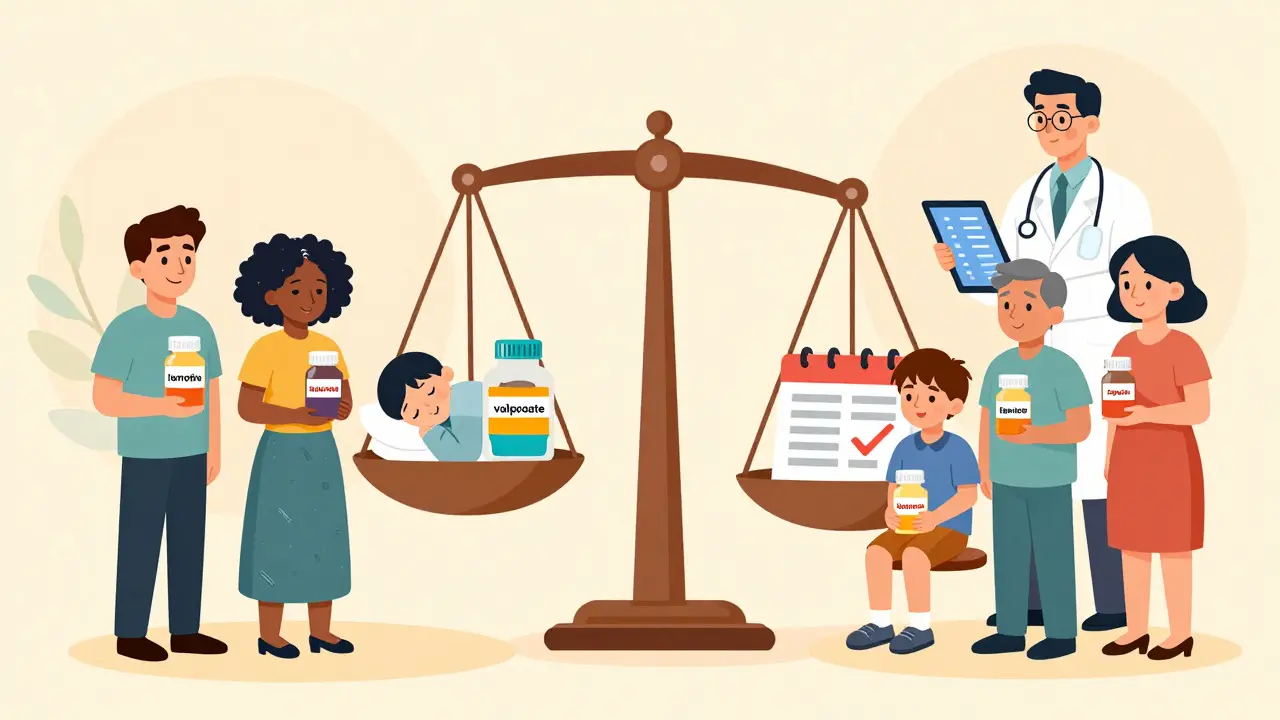
Valproate is highly effective for generalized seizures-but it’s not safe for women of childbearing age due to high risk of birth defects. Lamotrigine is often preferred here because it’s safer and still works well.
Levetiracetam is popular because it has fewer drug interactions and is well-tolerated. But some people report mood changes-irritability, depression-so it’s not for everyone.
Carbamazepine works great for focal seizures, but it can cause skin rashes in people with the HLA-B*1502 gene, common in Asian populations. Genetic testing is now recommended before starting it in high-risk groups.
Medication success rates vary. About 70% of people become seizure-free with the first or second drug. The rest have drug-resistant epilepsy. For them, options include surgery, nerve stimulation (like VNS or RNS), or dietary therapies like the ketogenic diet.
Side effects matter. Dizziness, fatigue, weight gain, memory fog, and mood shifts are common. Many patients stop taking meds not because they don’t work-but because they feel worse on them. That’s why doctors now talk about "quality of life" as a key outcome, not just "seizure freedom."
Why Classification Matters for Treatment
Getting the seizure type wrong leads to the wrong drug. A 2023 study found that 27% of people were prescribed medications that didn’t match their seizure type. For example, giving ethosuximide (for absence seizures) to someone with focal seizures? Useless. Giving carbamazepine to someone with myoclonic seizures? Can make them worse.
Combined focal and generalized epilepsy-a category added in 2017-is especially tricky. About 5-8% of people have this. Many are initially labeled as having only focal seizures. They get the wrong meds. Their seizures keep happening. It takes months-or years-to reclassify them. That’s why accurate diagnosis isn’t just paperwork-it’s life-changing.
One patient, a 12-year-old girl with daily staring spells, was diagnosed with ADHD for two years. Her teacher said she was "inattentive." Only after a video EEG showed 3Hz spike-and-wave patterns did she get the right diagnosis: childhood absence epilepsy. Within weeks on ethosuximide, her seizures stopped. Her grades improved. Her confidence returned.
What’s Next for Epilepsy Care?
AI tools are coming. The ILAE is testing a digital assistant that helps doctors classify seizures using video clips and EEG data. Early results show it boosts accuracy by 18% for non-specialists. That’s huge for rural clinics or countries without neurologists.
Genetics is changing the game too. We now know that over 500 genes are linked to epilepsy. In the next few years, genetic testing may help predict which drugs will work best-and which could cause dangerous side effects-before a patient even takes one pill.
But the biggest barrier isn’t technology. It’s access. In low-income countries, more than 75% of people with epilepsy don’t get diagnosed. In the U.S., only 58% of rural patients get an EEG within the recommended 72 hours. Without proper testing, classification fails. Treatment fails. Lives are put on hold.
What You Can Do
If you or someone you know has seizures:
- Keep a seizure diary: note date, time, duration, symptoms, possible triggers
- Record videos if possible-eyewitness accounts are gold
- Ask your doctor: "What type of seizure is this?" and "What’s the evidence?"
- Don’t accept "it’s just stress" as an answer if seizures keep happening
- Stick to your meds-even if you feel fine
- Get enough sleep. It’s not optional.
Episodes of confusion, staring, or sudden jerks aren’t normal. They’re signals. And with the right classification, the right treatment, and the right support, most people with epilepsy can live full, active lives.
What’s the difference between a seizure and epilepsy?
A seizure is a single event-a brief burst of abnormal electrical activity in the brain. Epilepsy is a diagnosis given when someone has two or more unprovoked seizures more than 24 hours apart, or one seizure with a high risk of more. Not everyone who has a seizure has epilepsy.
Can epilepsy be cured?
There’s no cure yet, but about 70% of people become seizure-free with medication. Some children outgrow epilepsy. Others may be candidates for surgery or nerve stimulation if drugs don’t work. For many, epilepsy becomes manageable-not a life sentence.
Are all seizures visible?
No. Many seizures have no movement at all. Focal aware seizures might just cause a strange taste, dizziness, or fear. Absence seizures look like zoning out. These are often missed because they don’t fit the movie version of a seizure.
What should I do if someone has a seizure?
Stay calm. Turn them gently onto their side to keep their airway clear. Don’t put anything in their mouth. Time the seizure. If it lasts longer than 5 minutes, or if they don’t wake up afterward, call emergency services. Most seizures stop on their own.
Can I drive if I have epilepsy?
It depends on your state’s laws and your seizure control. Most places require you to be seizure-free for 3 to 6 months before driving again. Always check with your doctor and local DMV. Safety matters-not just for you, but for others on the road.
Do antiepileptic drugs cause long-term damage?
Most don’t. But some can affect bone density, liver function, or cause weight gain. Regular blood tests and check-ups help catch problems early. The risk of uncontrolled seizures-falls, injuries, SUDEP-is far greater than the risk from properly monitored medication.
Why do seizure names keep changing?
Because science evolves. Terms like "partial" and "complex" were based on outdated ideas about brain function. The new system reflects how we understand seizures today: where they start, how they spread, and what they do to the person. It’s not confusion-it’s progress.
Can stress or anxiety cause seizures?
Stress doesn’t directly cause seizures, but it can lower your brain’s resistance to them. Poor sleep, skipped meals, and high stress often go together-and that combo is a trigger. Managing stress helps, but it’s not a substitute for medical treatment.
If you’re living with epilepsy, know this: you’re not alone. The tools to manage it are better than ever. The key is getting the right diagnosis-and sticking with a plan that works for your life.
Sophia Daniels
December 24, 2025 AT 14:11Okay but let’s be real-why are we still using terms like ‘focal’ and ‘generalized’ like it’s 2025 and not 2050? This is just rebranding old junk with fancy labels. I’ve seen kids get misdiagnosed with ADHD for YEARS because their absence seizures looked like zoning out… and now we’re calling it ‘focal impaired awareness’? Same damn thing. The system’s still broken. We need AI that can read EEGs like a Netflix algorithm reads your binge habits, not more jargon.
Steven Destiny
December 25, 2025 AT 23:57THIS. RIGHT HERE. I’ve been fighting for my sister’s diagnosis for 4 years. They told her it was anxiety. Then depression. Then ‘just stress.’ She had 17 seizures in one month-none convulsing, all just staring blankly and dropping her phone. When the EEG finally showed it? She cried. Not from sadness-from relief. You don’t need fancy terms. You need someone who listens. And doctors? They need to stop treating epilepsy like it’s a personality flaw.
Erwin Asilom
December 26, 2025 AT 04:42While the updated classification system by the ILAE represents a significant advancement in clinical precision, it is imperative to recognize that diagnostic accuracy remains contingent upon access to high-fidelity neurophysiological monitoring. The transition from terminologies such as 'complex partial' to 'focal impaired awareness' reflects a paradigmatic shift toward phenomenological specificity, yet implementation disparities persist in resource-limited settings. Without standardized EEG protocols and neurologist-to-patient ratios exceeding 1:50,000, nomenclature alone cannot rectify systemic underdiagnosis.
Brittany Fuhs
December 26, 2025 AT 14:39Ugh. Another ‘progress’ article written by someone who thinks ‘jargon’ is a virtue. We don’t need 21 seizure types-we need fewer doctors who think they’re neurologists after watching one YouTube video. And why are we still giving valproate to women? That’s just medical negligence dressed up as ‘evidence-based.’ If you’re gonna prescribe drugs that cause birth defects, at least have the decency to warn people before they get pregnant. Not after.
Peter sullen
December 26, 2025 AT 19:27It is, without equivocation, a matter of profound clinical urgency that the diagnostic criteria for epilepsy be uniformly applied across all tiers of healthcare delivery. The prevalence of misclassification-particularly in the context of combined focal and generalized epilepsies-is not merely an administrative oversight; it constitutes a systemic failure in neuromedical triage. Furthermore, the pharmacokinetic profiles of lamotrigine and levetiracetam, while favorable in terms of drug interaction potential, remain subject to interindividual variability in hepatic metabolism, necessitating therapeutic drug monitoring in all cases.
Becky Baker
December 28, 2025 AT 11:34My cousin got misdiagnosed for 5 years. They thought she was just ‘spacey.’ Turns out she had absence seizures. She’s on ethosuximide now and she’s back in honors class. But guess what? Her school still thinks she’s ‘not trying.’ No one told them it wasn’t laziness. Why is it always the person’s fault? Why not fix the system instead of blaming the patient?
Rajni Jain
December 28, 2025 AT 23:46As someone from India, I see this every day. My aunt had seizures for 10 years and no one knew what it was. No EEG. No doctor. Just herbal teas and prayers. When she finally got a diagnosis? She cried. Not because she had epilepsy-but because she finally felt seen. The new terms? They help. But what helps more is someone who cares enough to listen. And yes, sleep matters. Always. 💛
Natasha Sandra
December 30, 2025 AT 08:36My sister’s first seizure was at 8. She stared. Just… stared. We thought she was daydreaming. Now she’s 16 and on lamotrigine. She’s got a 4.0 and plays violin. But she still gets mad when people say ‘it’s just stress.’ 😔 I wish everyone knew how real this is. It’s not a phase. It’s not ADHD. It’s not ‘being dramatic.’ It’s her brain. And she deserves better.