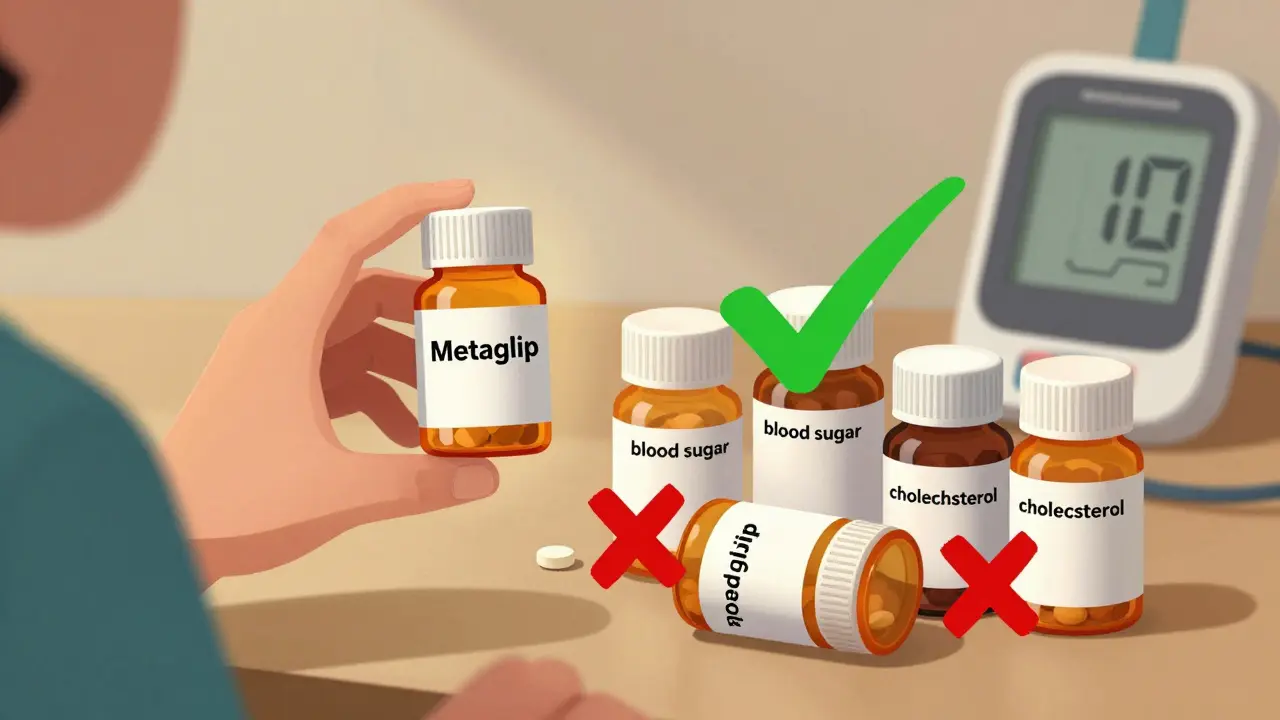
When you’re managing Type 2 diabetes, taking multiple pills every day gets exhausting. Four or five pills for blood sugar, cholesterol, blood pressure-it adds up. That’s why doctors often turn to diabetes combination medications: two drugs in one tablet. But here’s the real question: can you switch to a cheaper generic version without losing control of your blood sugar?
What Are Diabetes Combination Medications?
Diabetes combination medications mix two or more drugs that work in different ways to lower blood sugar. Most combine metformin-a first-line drug-with another agent like a DPP-4 inhibitor, SGLT2 inhibitor, or sulfonylurea. The idea isn’t just convenience. It’s science. Metformin reduces liver glucose production and improves insulin sensitivity. Add a DPP-4 inhibitor like sitagliptin, and your body releases more insulin after meals. Throw in an SGLT2 inhibitor like empagliflozin, and your kidneys start flushing out extra sugar through urine. Together, they hit multiple targets at once.
Studies show these combos lower HbA1c by 1.2 to 1.8 percentage points on average-much more than either drug alone. Patients are also 37% more likely to stick with their treatment when they take one pill instead of three. That’s huge. Missing doses leads to spikes, complications, and hospital visits. Combination pills cut that risk.
Generic Options: What’s Actually Available?
As of 2026, only five out of 25 diabetes combination medications in the U.S. have generic versions. The rest? Still brand-only and expensive. The good news? The cheapest, most reliable generics are the older ones-especially those with metformin and sulfonylureas.
- Metaglip (glipizide/metformin): Generic since 2012. Costs about $18.75 for 60 tablets. Brand version was over $300.
- Glucovance (glyburide/metformin): Generic since 2010. Around $15.20 for 60 tablets. Brand was $320.
- Jentadueto (linagliptin/metformin): First generic approved in May 2023, but not widely available until 2025 due to legal delays.
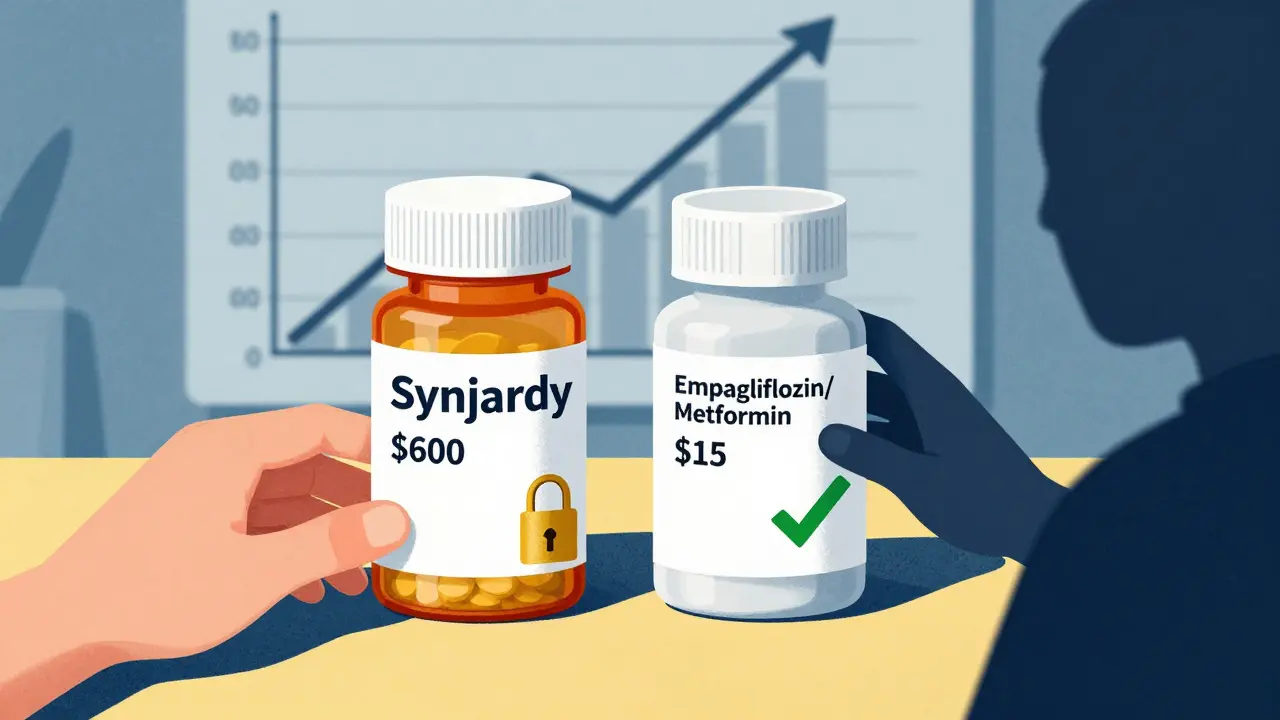
Meanwhile, newer combos like Synjardy (empagliflozin/metformin) and Janumet (sitagliptin/metformin) are still brand-only. Patents protect them until 2026 at the earliest. That means Synjardy still costs nearly $600 for a 30-day supply.
Generic versions make up 28% of all combination pills sold by volume-but only 8% of total revenue. Why? Because they’re so cheap. A $15 generic versus a $600 brand? The math is obvious.
When Substitution Works-and When It Doesn’t
Switching from brand to generic isn’t always smooth. It depends on the drug.
For older combos like Metaglip and Glucovance, most patients report no change in blood sugar control. A 2022 Joslin Diabetes Center survey found 76% of users transitioned without issues. Reddit users with Type 2 diabetes confirm it: 42% said generics worked just as well. Many praised the price. “I went from $450/month to $20,” wrote one user.
But here’s the catch: not all generics are created equal.
Some patients report new side effects after switching. A small percentage (22%) say they get more stomach upset or nausea. Others notice different pill size or shape-leading to swallowing trouble. One patient on Diabetes Daily reported recurrent low blood sugar after switching from brand Glucovance to generic. The issue? The glyburide component released differently. It wasn’t a faulty generic-it was a different release profile.
Doctors warn about this. Dr. John Buse from UNC Diabetes Center says the FDA’s bioequivalence standard (80-125% of brand absorption) might not be tight enough for diabetes drugs. A 10% difference in blood concentration can mean the difference between stable sugar and dangerous lows.
What You Need to Know Before Switching
If your doctor says you can switch to a generic, don’t just pick it up and go. Do this first:
- Check your current dose. Make sure the generic matches your current strength. Metaglip comes in 2.5/500mg, 5/500mg, and 5/1000mg. Don’t assume they’re all the same.
- Ask about extended-release. Most generics are immediate-release only. If you’re on Janumet XR (extended-release), you won’t find a generic XR version yet. Switching to immediate-release means taking it twice daily instead of once. That changes your routine.
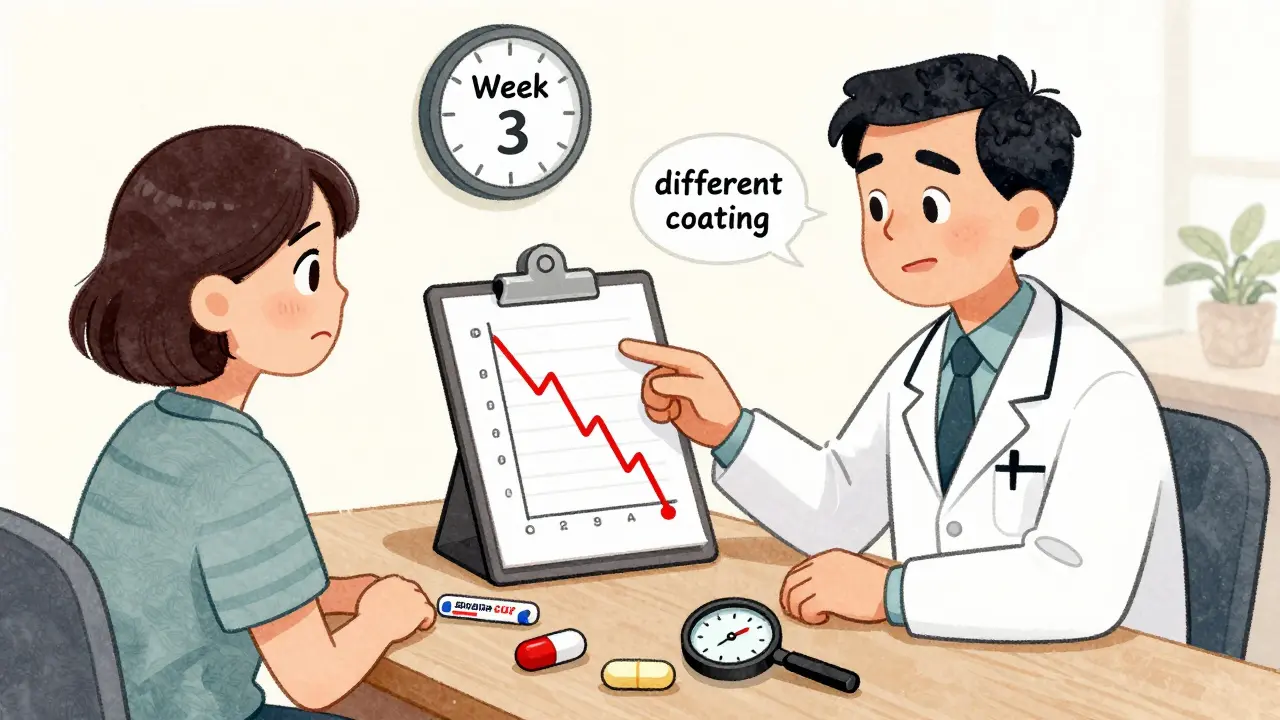
- Monitor closely for 4 weeks. Test your blood sugar 4 times a day during the transition. Watch for highs, lows, or unusual fatigue.
- Know your insurance rules. 63% of patients say their insurer requires prior authorization for brand-name combos. They’ll push you to the generic. But if your doctor says you need the brand, they can appeal.
Also, don’t let the pharmacy switch your meds without telling you. Automatic substitution-where the pharmacist swaps brand for generic without asking-is common. But with diabetes meds, that’s risky. The American Association of Clinical Endocrinology found 19% of endocrinologists saw treatment failures after automatic substitutions.
Cost Savings and Hidden Trade-Offs
Let’s be clear: generics save money. Like, a lot. You’re looking at 85-95% less than the brand. That’s $2,850 a year down to $420. The Congressional Budget Office projects that shift could save patients billions.
But there are trade-offs:
- No extended-release generics yet for newer combos. If you need once-daily dosing, you’re stuck with the brand.
- Limited support. Brand companies offer nurse hotlines, apps, and copay cards. Generic makers? Often nothing. You’re on your own.
- Pill differences. Generics may look, smell, or taste different. Some patients report confusion or anxiety over the change-even if it’s clinically identical.
Still, for stable patients on long-term therapy, generics are a win. Especially if you’re paying cash or have high-deductible insurance.
What’s Coming Next?
The next wave of generics is on the way. Janumet XR’s key patent expired in January 2024. But formulation patents may delay generics until 2026. That means more affordable options for sitagliptin/metformin users soon.
By 2028, most metformin combos with older drugs (sulfonylureas, DPP-4 inhibitors) will have generics. But newer combos-especially those with SGLT2 or GLP-1 agents-will stay brand-only for another 5-7 years. That’s because these newer drugs are still under patent protection and cost more to make.
Expect the market to keep shifting. Generic sales are growing at 9.2% per year. Brand combos? Only 5.8%. That gap will widen.
Bottom Line: Should You Switch?
If you’re on Metaglip or Glucovance, switching to generic is almost always safe-and smart. Monitor your blood sugar for a month, and you’ll likely see no difference.
If you’re on a newer combo like Synjardy or Janumet, hold off. The brand is still your only option, and the cost is steep. Ask your doctor about patient assistance programs. Many drugmakers offer free or discounted meds to those who qualify.
Never let a pharmacy switch your meds without your knowledge. If your doctor prescribes a brand, insist on it. If they say generic is fine, ask: “Is there a reason I can’t switch?” Then test your levels closely after the change.
Diabetes management is personal. What works for one person might not work for another. But with the right info-and a little caution-you can save hundreds without sacrificing control.
Can I switch from a brand-name diabetes combo to a generic without asking my doctor?
No. Even though pharmacies can legally substitute generics, diabetes combination meds require careful monitoring. Switching without medical guidance can lead to blood sugar swings, hypoglycemia, or loss of control. Always talk to your doctor before making any change.
Why are some diabetes combos still brand-only?
Patents protect new drug combinations for up to 20 years. Older combos like metformin/glipizide lost patent protection years ago, so generics are available. Newer ones like empagliflozin/metformin or linagliptin/metformin are still under patent, so only the brand is sold. Some manufacturers also extend protection with secondary patents on delivery systems or dosing forms.
Are generic diabetes meds as effective as brand-name ones?
For most older combinations like Metaglip and Glucovance, yes. Generic versions meet FDA bioequivalence standards and work the same for the majority of patients. But for newer or more sensitive combinations, small differences in how the drug is absorbed can affect blood sugar control. That’s why monitoring is critical after switching.
What if I can’t afford my brand-name diabetes combo?
Ask your doctor about patient assistance programs. Companies like Merck, Janssen, and Boehringer Ingelheim offer free or deeply discounted meds to low-income patients. You can also use GoodRx coupons, which often cut the price by 50-80%. Never skip doses-there are options.
Do generic diabetes pills have the same side effects as brand?
The active ingredients are the same, so side effects should be similar. But inactive ingredients (fillers, dyes, coatings) can differ. Some people report new stomach upset, headaches, or pill size issues after switching. These aren’t dangerous, but they can affect adherence. If you notice new symptoms, tell your doctor.
How long should I monitor my blood sugar after switching to a generic?
At least 2-4 weeks. Test your blood sugar before meals and at bedtime-four times a day. Watch for patterns: Are your numbers higher or lower than usual? Are you having more lows? If anything feels off, contact your provider. Most changes, if they happen, show up in the first month.
Josh josh
January 26, 2026 AT 11:32just switched to generic metaglip last month and my sugar’s been stable as hell
cost me 18 bucks for 60 pills
pharmacist tried to swap me without asking
i said nope
my doc knows better
Joanna Domżalska
January 27, 2026 AT 23:33you people act like generics are magic
the FDA lets anything through as long as it’s 80-125% similar
that’s a 45% window
for a drug that controls your blood sugar
you think that’s safe
my cousin went from 7.2 to 10.1 after switching
they called it ‘idiosyncratic response’
lol
it’s called negligence
Sally Dalton
January 29, 2026 AT 17:18i totally get what joanna’s saying but my experience was totally different
i switched from janumet to generic metformin+sitagliptin
first week i was paranoid
tested like 8 times a day
but after 3 weeks? same numbers
and i saved like $400
my dog even seemed happier
jk but seriously
talk to your doc but don’t fear the generic
Aurelie L.
January 30, 2026 AT 23:03i hate how pharmacies just swap stuff
no warning
no consent
i woke up with shaky hands and a sugar of 52
it was the generic glyburide
different release
they didn’t even label it right
now i only get mine from my doc’s clinic
SWAPNIL SIDAM
January 31, 2026 AT 03:51in india we use metformin+glibenclamide
costs less than 50 rupees a month
no brand
no drama
just works
why is america so complicated
we don’t have 12 versions of the same pill
one works
take it
Geoff Miskinis
January 31, 2026 AT 10:34the entire system is a charade
patents are legal monopolies disguised as innovation
the real cost isn’t the pill
it’s the corporate greed that prevents generics from entering
and you people are so grateful for 18 bucks
when it should be 3
and available immediately
the FDA is a pawn
and you’re all just consumers in a rigged game
Mohammed Rizvi
January 31, 2026 AT 22:51my friend tried the generic synjardy
pharmacy slipped it in
he thought it was the brand
ended up in the ER with ketoacidosis
turns out the generic was a different salt form
no one told him
now he’s on a waiting list for a patient assistance program
don’t let this happen to you
Betty Bomber
February 2, 2026 AT 16:35my doc said switch
i did
no issues
my sugar’s fine
i’m just glad i can afford my coffee now
eric fert
February 2, 2026 AT 17:17look
everyone’s got their anecdote
some people switch and everything’s fine
some people get hypoglycemic and end up in the hospital
but here’s the thing nobody’s talking about
the entire diabetes drug market is a profit engine
pharma companies don’t care if you live or die
they care if you keep buying
generics threaten their margins
so they delay them with legal loopholes
they pay off regulators
they market the hell out of brand names
they give free trips to doctors
they fund ‘patient education’ that’s just ads
and we’re all just sitting here debating whether a 10% absorption difference matters
when the real problem is that your life is a line item on a balance sheet
and you’re supposed to be grateful for crumbs
Curtis Younker
February 3, 2026 AT 12:08if you’re on a combo med and thinking about switching
do it
but do it right
talk to your doc
ask for a 4-week monitoring plan
test before meals and bedtime
write down how you feel
don’t just trust the pharmacy
and if you’re worried about cost
ask about patient programs
most big pharma has them
they’re not perfect
but they’re better than skipping doses
you got this
your health matters
bella nash
February 5, 2026 AT 06:01It is imperative to recognize that the pharmacokinetic variance inherent in generic formulations, particularly in the context of antidiabetic agents, may precipitate suboptimal glycemic control despite nominal bioequivalence thresholds. The regulatory framework governing bioequivalence is insufficiently granular to account for the narrow therapeutic index of certain sulfonylurea-metformin combinations. Consequently, the presumption of therapeutic interchangeability constitutes a clinical fallacy that endangers patient outcomes. A prospective, longitudinal, randomized controlled trial is warranted to establish definitive safety parameters for generic substitution in this population.