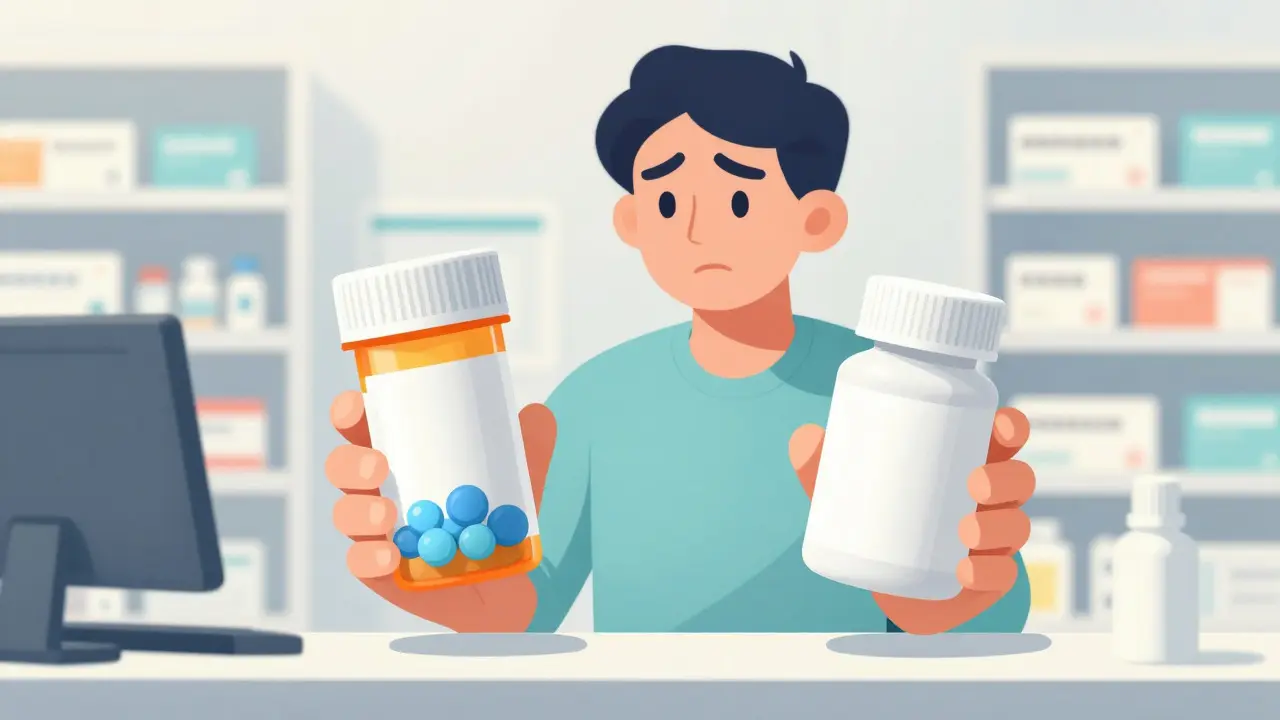
Imagine you’ve been taking the same pill for years. It keeps your blood pressure stable, your seizures at bay, or your thyroid levels in check. Then, one day, you pick up your prescription, and the bottle contains a different colored, differently shaped pill. The pharmacist tells you it’s a generic version. It costs less, but is it the same? This moment of uncertainty is familiar to millions of patients worldwide. Switching from brand-name to generic drugs is a standard practice designed to save money, but it often raises questions about safety, effectiveness, and potential side effects.
The short answer is that for most people, generic drugs work exactly as well as their brand-name counterparts. Regulatory bodies like the U.S. Food and Drug Administration (FDA) enforce strict rules to ensure this. However, the experience isn't identical for everyone. Some patients notice subtle differences, while others face significant clinical challenges, particularly with certain types of medications. Understanding what happens behind the scenes-from manufacturing regulations to how your body processes these drugs-can help you navigate this switch with confidence rather than fear.
Understanding Bioequivalence: The Science Behind the Switch
To understand why generics are considered safe, we need to look at the concept of bioequivalence. This is the gold standard used by regulators like the FDA and the European Medicines Agency (EMA). When a company wants to sell a generic version of an existing drug, they don’t have to repeat the massive, multi-year clinical trials that the original brand-name manufacturer did. Instead, they must prove that their product delivers the active ingredient into your bloodstream at the same rate and to the same extent as the brand-name drug.
Specifically, the generic must fall within an 80% to 125% confidence interval compared to the brand-name version. In plain English, this means the amount of medicine hitting your system is statistically equivalent. For most drugs, such as antibiotics or pain relievers, this small margin of variation makes zero difference to how you feel or how well the drug works. Your body absorbs the medication, it travels through your system, and it does its job just as effectively.
However, the inactive ingredients-the fillers, binders, dyes, and preservatives that give the pill its shape and color-can differ. While these don’t affect the primary therapeutic action, they can matter if you have specific allergies or sensitivities. For example, a patient allergic to lactose might react to a generic tablet that uses lactose as a filler, even if the brand-name version used cornstarch. These minor formulation changes are usually harmless but are worth noting if you have known sensitivities.
The Economic Reality: Why Switching Happens
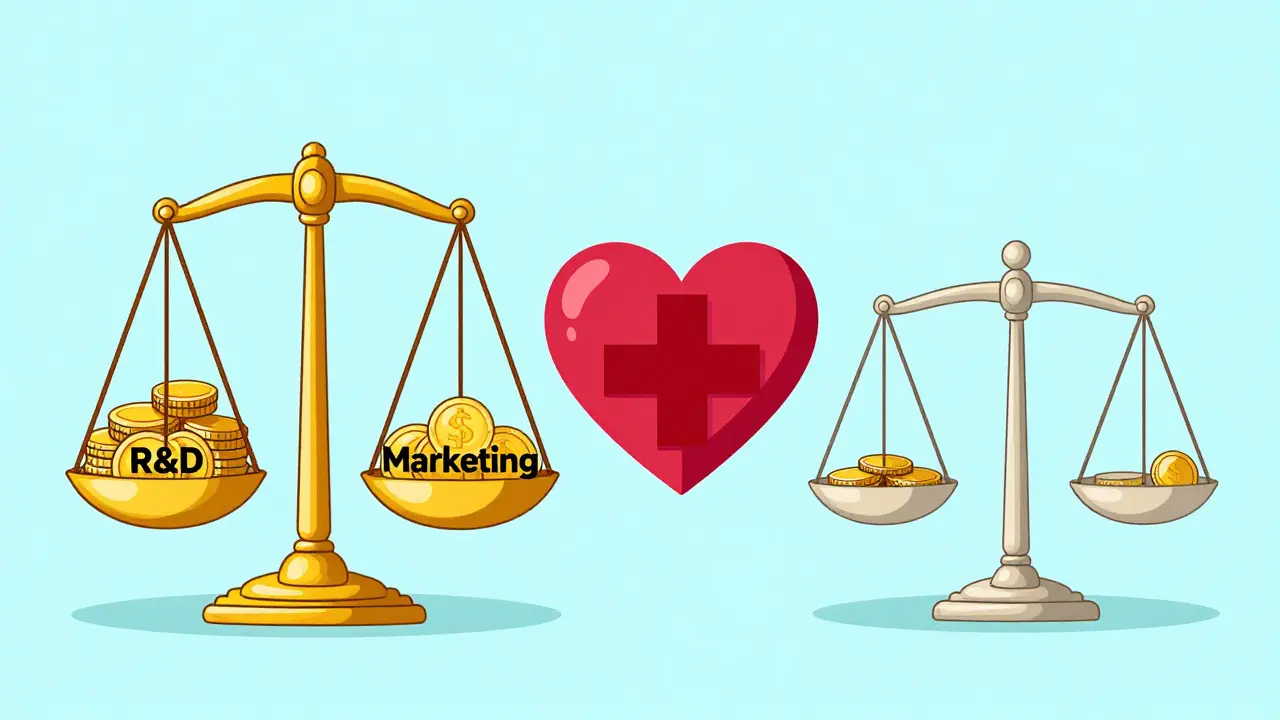
If generics are so similar, why do pharmacies switch them without always asking? The primary driver is cost. Brand-name drugs carry the weight of research and development costs, marketing expenses, and patent protections. Generics, which enter the market after patents expire, compete primarily on price. This competition drives costs down dramatically.
| Factor | Brand-Name Drugs | Generic Drugs |
|---|---|---|
| Average Copay (U.S.) | $40 - $100+ | $4 - $15 |
| Patient Abandonment Rate | High (266% higher than generics) | Low |
| Market Share | ~10% of prescriptions | ~90% of prescriptions |
| Primary Cost Driver | R&D, Marketing, Patents | Manufacturing Efficiency, Competition |
Data from the Association for Accessible Medicines shows that new patients are far more likely to abandon their medication entirely if they have to pay high copays for brand-name drugs. When a pharmacy switches you to a generic, they are often following insurance mandates or state laws designed to keep healthcare affordable. In Massachusetts, for instance, generic substitution is required by law unless the doctor specifically writes "dispense as written." This policy has saved billions in national drug spending, making essential treatments accessible to those who might otherwise skip doses due to cost.
When Switching Gets Complicated: Narrow Therapeutic Index Drugs
While the 80-125% bioequivalence rule works for most medications, it creates problems for a specific class of drugs known as Narrow Therapeutic Index (NTI) drugs. These are medications where the difference between a helpful dose and a harmful dose is very small. If the concentration of the drug in your blood fluctuates even slightly outside the normal range, you could experience treatment failure or severe side effects.
Common NTI drugs include:
- Levothyroxine: Used to treat hypothyroidism. Even tiny variations can cause fatigue, weight gain, or heart palpitations.
- Warfarin: A blood thinner used to prevent clots. Variations can lead to dangerous bleeding or ineffective clot prevention.
- Carbamazepine and Phenytoin: Anti-seizure medications. Fluctuations can trigger breakthrough seizures.
- Lithium: Used for bipolar disorder. Toxicity risks increase with slight dosage variations.
For patients on these medications, switching between brands and generics-or even between different generic manufacturers-can be risky. A study published in PMC highlighted that patients with epilepsy experienced increased seizure frequency after switching to generic anti-epileptic drugs. Similarly, Reddit users in pharmacy communities frequently share stories of their TSH levels spiking after switching from Synthroid (brand) to generic levothyroxine. In these cases, the "statistical equivalence" doesn't translate to "clinical equivalence" for the individual patient.
Practical Challenges: Confusion and Adherence
Beyond pharmacology, there is a human element to drug switching. Trademark laws prevent generic pills from looking exactly like brand-name pills. So, when you switch, the pill might change from blue to white, or round to oval. This visual change can cause confusion, especially for elderly patients or those managing multiple medications.
This confusion can lead to medication errors. A patient might think they forgot to take their pill because it looks different, leading to double-dosing. Or, they might assume the new pill is ineffective and stop taking it altogether. Research indicates that frequent switching between different generic manufacturers-which happens when pharmacies source from different suppliers-increases this risk. In Saudi Arabia’s healthcare system, over 25% of formulary medications were switched between brands and generics over five years due to procurement bidding, leading researchers to recommend longer contract terms to reduce this churn.
Pharmacies try to mitigate this by adding stickers to bottles that say "Appearance Change" or providing counseling when a switch occurs. However, not every interaction includes this education. If you notice your pill looks different, ask your pharmacist. They can confirm it’s the correct medication and explain any changes in inactive ingredients.
What You Should Do Before and After Switching
Navigating a switch from brand to generic doesn’t have to be stressful. With a few proactive steps, you can ensure your health remains stable.
- Talk to Your Doctor About NTI Drugs: If you take levothyroxine, warfarin, or anti-seizure meds, discuss stability with your provider. Ask if they prefer you stay on a specific brand or a specific generic manufacturer. Some doctors will write "Dispense As Written" (DAW) to lock you into the brand, though this may increase your out-of-pocket cost.
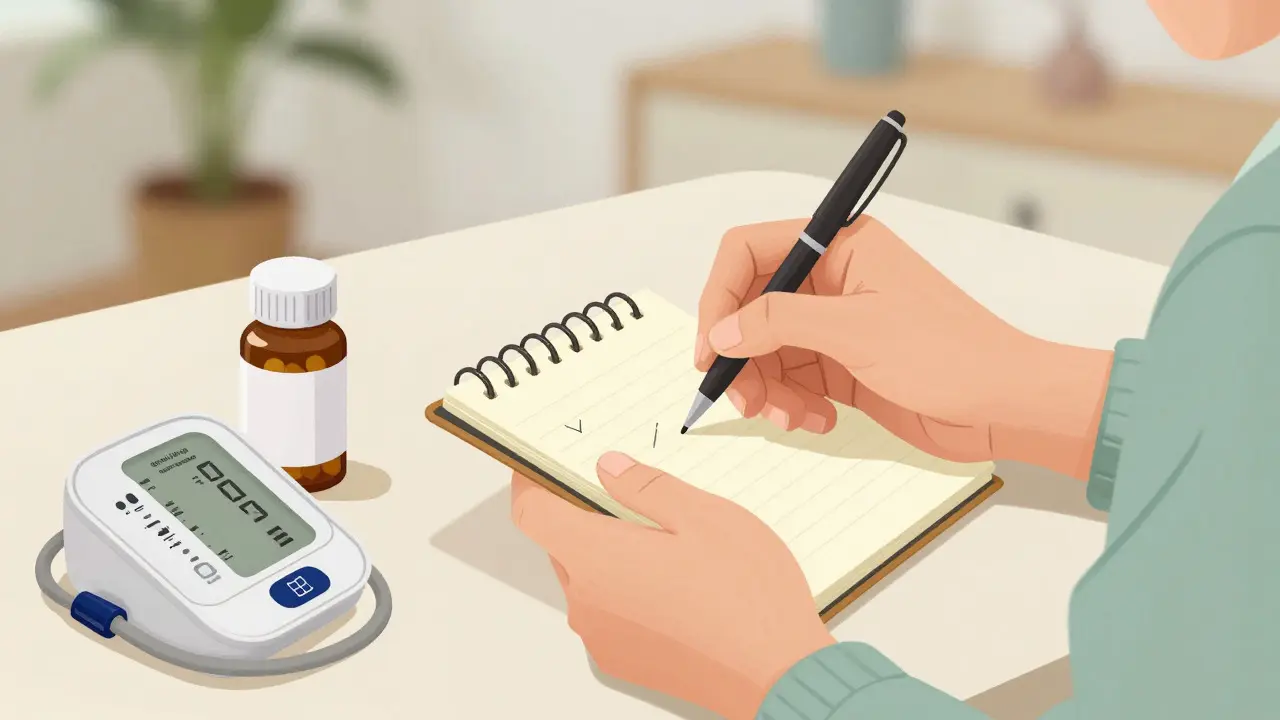
- Monitor Your Body Closely: After switching, pay attention to how you feel for the first few weeks. Are you experiencing new headaches, dizziness, or return of symptoms you thought were controlled? Keep a simple log of any changes.
- Check for Allergies: Review the inactive ingredients list if you have known sensitivities to dyes, gluten, or lactose. Your pharmacist can provide this information.
- Communicate with Your Pharmacist: If you’re worried about the appearance change, ask for reassurance. If you suspect the generic isn’t working, don’t just stop taking it. Contact your doctor. They may order blood tests (like TSH for thyroid or INR for warfarin) to verify efficacy.
- Consider Cost vs. Benefit: For non-critical medications like antihistamines or common antibiotics, the savings of generics are well worth the minimal risk. For critical NTI drugs, weigh the financial savings against the potential cost of additional doctor visits or hospitalizations if the switch causes instability.
Conclusion: A Balanced Approach
Switching from brand to generic drugs is generally safe, effective, and financially wise for the vast majority of patients. The regulatory framework ensures that the active ingredients are bioequivalent, and the cost savings allow more people to afford necessary treatments. However, it is not a one-size-fits-all solution. Patients on narrow therapeutic index drugs require extra caution and monitoring. By staying informed, communicating openly with your healthcare providers, and paying attention to your body’s response, you can make the switch confidently. Remember, you are the expert on your own health-if something feels off, speak up. Your doctor and pharmacist are there to help you find the right balance between affordability and efficacy.
Are generic drugs really as effective as brand-name drugs?
Yes, for most medications, generic drugs are equally effective. Regulatory agencies like the FDA require generics to demonstrate bioequivalence, meaning they deliver the same amount of active ingredient into your bloodstream at the same rate as the brand-name drug. Studies show that for the vast majority of patients, there is no clinically significant difference in outcomes.
Why do my pills look different after switching to a generic?
Trademark laws prevent generic drugs from looking identical to brand-name drugs to avoid consumer confusion about the manufacturer. Therefore, generics often differ in color, shape, size, or imprint. The active ingredient remains the same, but the inactive ingredients (fillers, dyes) may vary, causing these physical differences.
Which medications should I be careful about when switching to generics?
You should exercise caution with Narrow Therapeutic Index (NTI) drugs. These include medications for thyroid conditions (levothyroxine), blood thinners (warfarin), anti-seizure drugs (carbamazepine, phenytoin), and mood stabilizers (lithium). Small variations in blood concentration can lead to treatment failure or side effects with these drugs.
Can I request to stay on the brand-name drug?
Yes, you can ask your doctor to write "Dispense As Written" (DAW) or "Brand Medically Necessary" on your prescription. However, insurance companies may require prior authorization, and your copay will likely be higher since you are opting out of the cheaper generic option.
What should I do if I experience side effects after switching to a generic?
If you notice new or worsening symptoms after switching, contact your doctor immediately. Do not stop taking your medication abruptly without medical advice. Your doctor may order blood tests to check drug levels or suggest switching back to the brand-name drug or trying a different generic manufacturer.
Alli Crumley
July 30, 2026 AT 18:26The bioequivalence window of 80-125% is frankly a statistical sleight of hand designed to protect pharmaceutical margins rather than patient physiology. It’s not 'equivalent' if the variance allows for a 25% drop in peak plasma concentration; that’s a failure of efficacy disguised as regulatory compliance. We are essentially human guinea pigs in this grand experiment of cost-cutting, and the 'judgmental guru' in me sees right through the marketing fluff. The jargon-heavy reality is that pharmacokinetics don’t care about your insurance copay. :D
Marc H
July 31, 2026 AT 08:37Oh, spare us the lecture on statistics, Alli! You sound like you’re trying to convince yourself you’re smarter than the FDA so you can sleep at night. I switched my dad from brand-name Synthroid to generic because we weren’t going to bankrupt ourselves over a thyroid pill, and guess what? He’s still here, breathing fine, and actually smiling more because he’s not stressed about money. Your 'pseudo-philosophical' take on bioequivalence ignores the very real, very dramatic tragedy of people skipping meds because they’re too expensive. Drama queen much? 😂
Chris McQuaid
August 1, 2026 AT 08:49Look, Marc, Alli isn't entirely wrong about the NTI drugs, but she's missing the forest for the trees. The system works for 90% of prescriptions because the margin of error is negligible for things like antibiotics or blood pressure meds. It’s only when you get into narrow therapeutic index stuff like warfarin or lithium that the 80-125% rule becomes a liability. But let’s not pretend every generic switch is a death sentence. That’s fear-mongering, not philosophy. Most people just want their pills to work without paying rent money for them.
sam howard
August 2, 2026 AT 05:04the issue is manufacturers change fillers constantly. i took a generic antihistamine last month and broke out in hives because of some new dye they added. nobody checks the inactive ingredients list unless you read it like a novel. its lazy regulation. why do we accept this? because we are cheap. simple as that. stop complaining and read the label next time.
Samuel Hershberger
August 2, 2026 AT 21:05Sam makes a great point about reading labels, but it’s also important to communicate with your pharmacist! They are trained to spot these interactions and can often source a specific manufacturer if you have sensitivities. Don’t be afraid to ask questions. It’s better to spend five minutes talking to a professional than dealing with an allergic reaction later. We’re all in this together, and healthcare should be collaborative, not adversarial. Let’s keep the dialogue open and supportive! 🌟
Mathew Stuckey
August 4, 2026 AT 06:43I totally agree with Samuel! Communication is key. I had a similar issue with a seizure medication, and once I told my doctor how I was feeling, we locked onto one specific generic brand that worked for me. It wasn’t perfect, but it was manageable. Everyone’s body is different, so let’s support each other in finding what works rather than judging those who need extra care. Peace and health to all! ✨🙏
John Divers
August 5, 2026 AT 09:19While anecdotal evidence is valuable, we must acknowledge the systemic constraints. The economic drivers mentioned in the post are undeniable. However, the philosophical implication is that trust in medical institutions is eroding due to perceived instability in treatment protocols. We need a balanced approach where patients are empowered with knowledge but not paralyzed by choice. The consensus seems to be: monitor closely, communicate openly, and accept that perfection is elusive in healthcare.
Ambria St louis
August 6, 2026 AT 05:57Indeed, John! The erosion of trust is a multifaceted issue... requiring both systemic reform and individual vigilance. As mentors and patients alike, we must advocate for transparency regarding inactive ingredients. It is not merely a matter of cost... but of bodily autonomy and safety. Let us remain inclusive in our discussions... ensuring that those with rare sensitivities are not overlooked by the majority. After all... health is a universal right, not a privilege reserved for those who can afford brand names. 💖