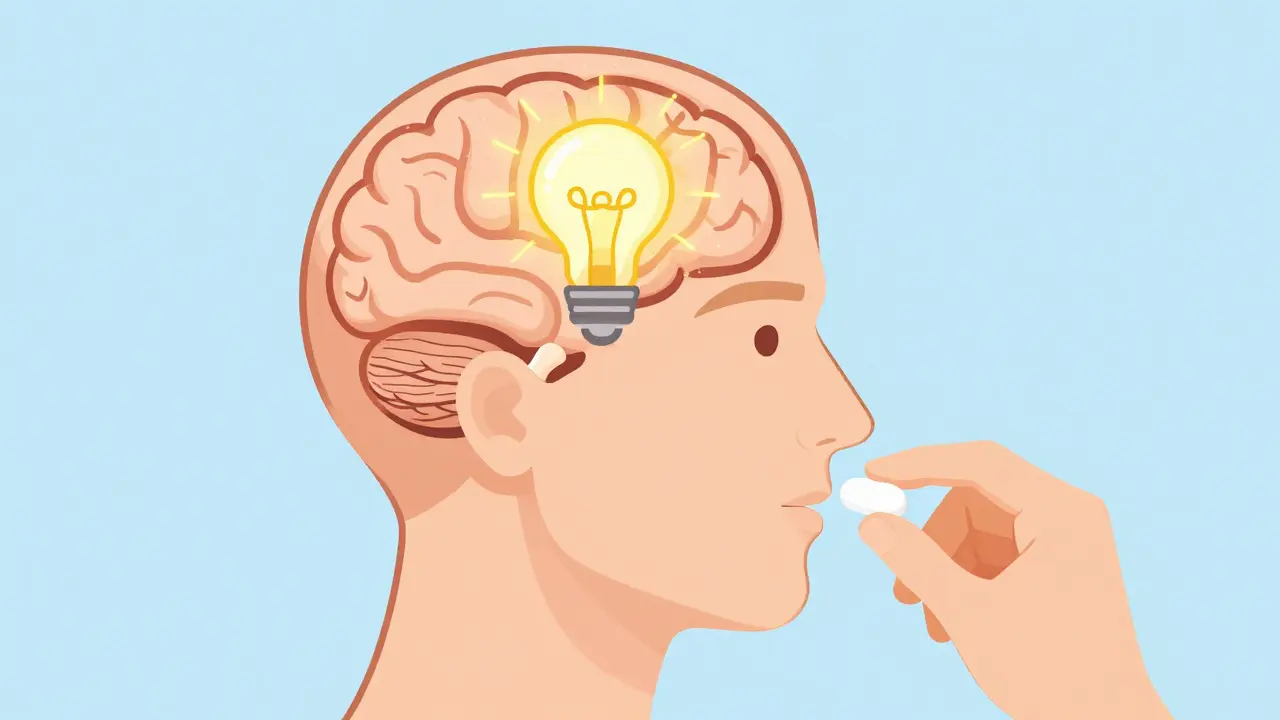
You take your morning pill. It’s the same chemical formula as before, just a different shape or color because it’s now a generic medication is a drug product that is comparable to a brand-name/reference listed drug in dosage form, safety, strength, route of administration, quality, performance characteristics, and intended use.. Yet, you feel like it isn’t working. Your headache lingers, your anxiety spikes, or your blood pressure creeps up. Is the medicine broken? No. The chemistry is identical. But your brain thinks otherwise.
This is the power of the placebo effect is a phenomenon where a patient experiences real improvement in symptoms after receiving a treatment with no active therapeutic ingredients, driven by their belief in the treatment's efficacy.. And when we switch from expensive brand names to affordable generics, this psychological force can work against us. This article breaks down why this happens, what the science says, and how you can manage these expectations to get the most out of your medication.
The Science Behind the "Brand Name" Feeling
We often assume that if two pills contain the same active ingredient, they will produce the exact same result in our bodies. Pharmacologically, this is true. Regulatory bodies like the FDA require generics to be bioequivalent is a standard requiring that a generic drug delivers the same amount of active ingredient into a patient's bloodstream in the same amount of time as the brand-name drug.. However, humans are not test tubes. We are complex beings whose biology is deeply intertwined with psychology.
In a landmark 2014 study published in Health Psychology, researchers Kate Faasse and her team at the University of Auckland conducted a fascinating experiment. They gave participants placebo painkillers for headaches. Some placebos were labeled with well-known brand names, while others had generic labels. The results were striking. The placebos with brand names provided headache relief equivalent to actual ibuprofen. The identically formulated placebos with generic labels showed significantly reduced effectiveness.
Why does this happen? Brain imaging studies (fMRI) reveal that when patients believe they are taking a powerful brand-name drug, their dorsolateral prefrontal cortex activates more intensely. This area of the brain is involved in expectation and cognitive control. Essentially, your brain is preparing your body to heal. When you take a generic, especially if you harbor doubts about its quality, that neural preparation is weaker. The drug still works chemically, but the extra boost from your brain’s expectation system is missing.
The Dark Side: Understanding the Nocebo Effect
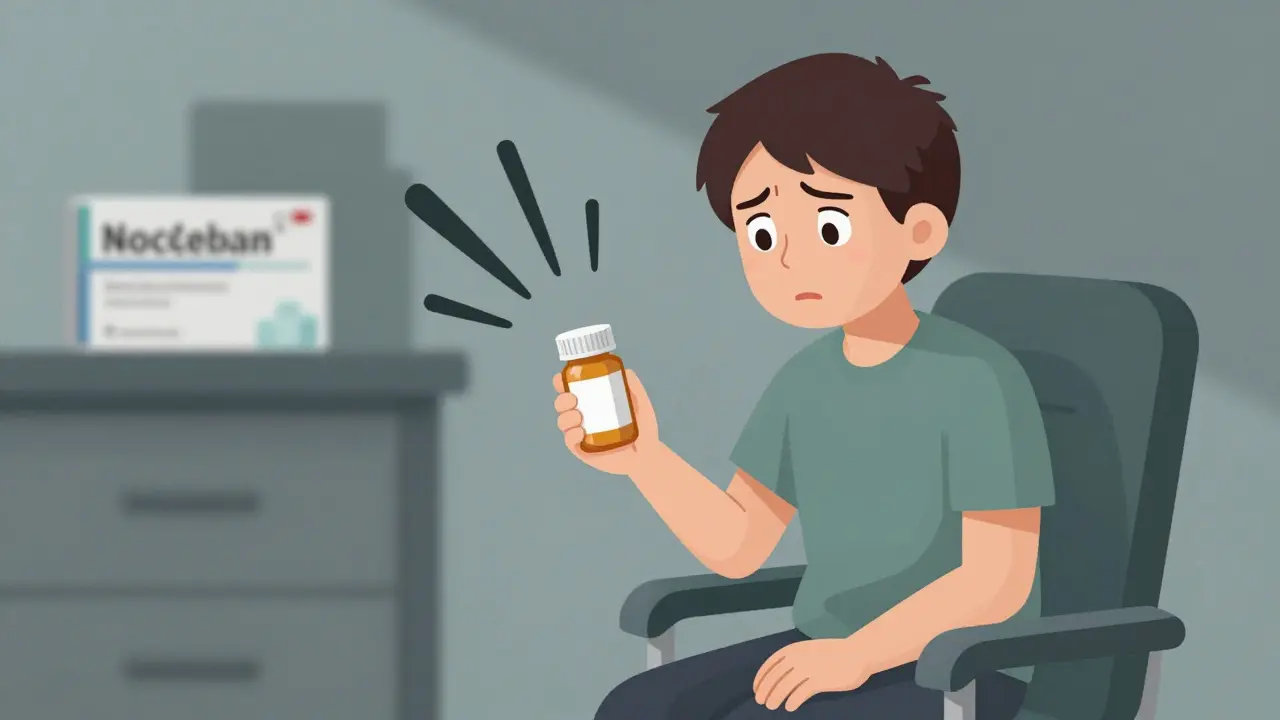
If the placebo effect is the good side of expectation, the nocebo effect is the opposite phenomenon where negative expectations or beliefs about a treatment lead to worsening of symptoms or the experience of side effects, even if the treatment is inert. is the bad side. This is particularly relevant when switching to generics.
Many patients worry that generics are "cheaper" and therefore "lower quality." This fear can manifest physically. In trials involving statins (cholesterol-lowering drugs), patients who were told they were receiving a generic version reported muscle pain at rates of 8.7% to 11.2%. Those who received the same placebo under neutral conditions reported pain at only 1.9% to 3.4%. The difference wasn't in the pill; it was in the label and the associated anxiety.
This effect is strongest in conditions where symptoms are subjective, such as pain, anxiety, depression, and fatigue. If you expect a generic antidepressant to fail, you may interpret normal mood fluctuations as treatment failure, leading to higher dropout rates. Studies show that patients on generic-labeled sertraline reported 22% higher dropout rates due to perceived inefficacy compared to those on the brand-name version, despite identical chemical composition.
Who Is Most Affected?
Not everyone experiences this gap equally. Research indicates that the placebo/nocebo differential is influenced by several factors:
- Health Literacy: Surprisingly, people with higher health literacy sometimes show stronger placebo effects related to branding. They understand the concept of equivalence but may still subconsciously associate "brand" with "premium quality."
- Age: The effect is weaker in elderly patients over 65. Longitudinal data suggests the effect size is reduced by 41% in older adults compared to young adults, possibly due to less exposure to direct-to-consumer advertising or different attitudes toward cost-saving measures.
- Medication Type: Analgesics (painkillers) show the largest differential (Cohen's d = 0.82). Cardiovascular medications show a smaller but still significant differential (d = 0.31).
- Cost Expectations: A study published in the Journal of the American Medical Association found that placebos labeled as costing $2.50 per dose produced 64% greater pain reduction than identical placebos labeled as $0.10. Our brains link price to potency.
How Doctors Can Help Manage Expectations
Healthcare providers play a crucial role in bridging the gap between pharmacological reality and psychological perception. A 2021 study in JAMA Internal Medicine identified a specific communication protocol that reduces nocebo responses by 47%.
The most effective approach involves three steps:
- Explain Bioequivalence Clearly: Don’t just say "it’s the same." Explain the FDA’s rigorous standards. Mention that the generic must deliver 80-125% of the active ingredient in the same timeframe as the brand name.
- Acknowledge Psychological Differences: Validate the patient’s feelings. Say, "You might feel different initially because your brain expects it, but the chemistry is identical. This feeling usually fades within two weeks."
- Provide a Transition Period: Offer close monitoring during the first 14 days after switching. This reassurance helps prevent premature discontinuation.
When doctors frame the switch as a smart, evidence-based choice rather than a compromise, adherence improves. One user on HealthUnlocked shared, "My doctor explained that generics work the same chemically but might feel different psychologically-I've had no issues since switching to generic lisinopril."
Practical Tips for Patients Switching to Generics
If you are switching to a generic, you can actively manage your mindset to minimize the nocebo effect and maximize the placebo benefit.
| Action | Why It Works | Expected Outcome |
|---|---|---|
| Educate Yourself | Reduces uncertainty and fear of "unknown" ingredients. | Lower anxiety levels before starting the new pill. |
| Maintain Routine | Keeps the ritual of taking medication consistent, reinforcing habit. | Improved adherence and reduced missed doses. |
| Track Symptoms Objectively | Prevents emotional interpretation of minor fluctuations. | Data-driven decisions rather than feeling-based ones. |
| Allow a 2-Week Adjustment | Gives the brain time to recalibrate expectations. | Reduced perception of "worsening" symptoms. |
Consider keeping a simple symptom diary. Note your pain levels, mood, or energy each day. Often, what feels like a dramatic decline is actually normal variance. Seeing the numbers can reassure you that the medication is still doing its job.

The Economic and Systemic Impact
The psychological resistance to generics isn't just a personal issue; it has massive economic implications. The U.S. generic drug market generated $62.3 billion in 2022, representing 90% of all prescriptions. However, psychological factors are estimated to cost $1.4 billion annually in unnecessary brand-name prescriptions and treatment switches.
Regulatory bodies are taking notice. The FDA has issued guidance encouraging manufacturers to maintain consistent pill appearance for generics, as changes in color or shape have been shown to increase nocebo responses by 29%. Similarly, the European Medicines Agency is funding studies to develop standardized patient education materials to address these expectations across EU member states.
As Dr. Ted Kaptchuk from Harvard Medical School notes, "The brand-name effect isn't about deception but about the brain's predictive processing-when patients believe in a treatment's efficacy, their neural pathways actually produce measurable physiological changes." Harnessing this power positively is key to sustainable healthcare.
Future Directions: Digital Therapeutics
New interventions are emerging to help manage these psychological factors. The "Expectation Modulation Protocol," a 12-minute digital therapeutic module, has shown promise in clinical trials. It reduces nocebo responses by 53% by educating patients on the mechanics of expectation and providing cognitive tools to reframe their perceptions. Currently undergoing FDA review, this type of tool could become a standard part of prescription handovers in the near future.
By understanding that our minds are active participants in healing, we can stop fighting the placebo effect and start using it to our advantage. Generics are safe, effective, and essential for affordable healthcare. With the right mindset, they can work just as well as the brands.
Are generic medications really the same as brand-name drugs?
Yes, generically manufactured drugs must meet strict regulatory standards for bioequivalence. This means they contain the same active ingredients, in the same amounts, and are absorbed by the body at the same rate as brand-name versions. The only differences are usually in inactive ingredients, which affect appearance, taste, or smell, but not therapeutic efficacy.
Why do I feel worse when I switch to a generic?
This is likely due to the nocebo effect. If you expect the generic to be less effective, your brain may amplify negative sensations or interpret normal symptom fluctuations as treatment failure. Studies show that negative expectations can trigger real physiological changes, such as increased pain perception or reported side effects, even when the drug chemistry is identical.
Does the placebo effect work with serious conditions like heart disease?
While the placebo effect is most pronounced in subjective conditions like pain and anxiety, it still plays a role in chronic conditions. For cardiovascular medications, the effect size is smaller but significant. Patient confidence in their treatment can improve adherence and reduce stress, which indirectly benefits heart health. However, the pharmacological action remains the primary driver of outcome in these cases.
How long does it take for the body to adjust to a generic medication?
Physiologically, there is no adjustment period needed because the active ingredient is the same. However, psychologically, it may take 1 to 2 weeks for your brain to recalibrate its expectations. During this time, you might perceive differences that fade as you become accustomed to the new pill. Tracking symptoms objectively during this window can help confirm that the medication is working.
Can my doctor prescribe the brand name if the generic doesn't seem to work?
In some cases, yes. If you experience genuine adverse reactions to inactive ingredients in the generic (such as allergies to dyes or fillers), your doctor can write "Dispense As Written" on the prescription. However, if the issue is purely perceptual (nocebo), switching back to the brand name reinforces the idea that the generic was inferior, potentially causing problems in the future if you need to switch again. Education and expectation management are often better first steps.
Prashant Shishodia
July 10, 2026 AT 16:00Listen up. The science is clear and simple. Generics work the same as brands. If you feel worse, it is your head playing tricks on you. Stop making excuses and take the pill like an adult. Your brain needs to get used to it in two weeks. Track your symptoms with a diary so you have proof. Do not let fear win against chemistry.
Patrick Meyer
July 10, 2026 AT 19:45honestly this whole article is just corporate propaganda designed to make us accept inferior products because we are too broke to pay for quality. i mean sure the active ingredient is teh same but the binders and fillers are cheap ass junk that causes gut issues. dont listen to these big pharma shills telling you its all in your head. my body knows when im taking garbage.
Autumn LW
July 11, 2026 AT 08:46You are clearly uninformed if you think generics are 'garbage.' It is embarrassing how many people here lack basic pharmacological literacy. The FDA requires strict bioequivalence testing. If your gut hurts, it is likely a nocebo response fueled by your own elitist disdain for cost-saving measures. Educate yourself before spouting nonsense about 'big pharma shills' when you are actually attacking regulatory standards that keep drugs affordable for the masses who aren't wealthy enough to afford brand names every month.
Scott Colter
July 11, 2026 AT 09:19I find it fascinating how we project our economic anxieties onto little colored tablets. The pill becomes a symbol of status or neglect depending on the label. We are essentially performing a ritual where the shape of the object dictates our internal narrative. It is less about chemistry and more about the theater of healing. When we strip away the branding, we strip away the promise of care, leaving only the cold mechanics of biology. Perhaps we need to re-enchant the generic process rather than dismiss it as mere economics.
Crystal Tadlock
July 12, 2026 AT 21:17its all a lie they want you to believe generics are safe but they test them on animals first and then give them to poor people. i read somewhere that the dyes in generic pills are made from bugs and cause cancer. why would anyone trust a company that cares more about profit than your life. keep your money and buy natural supplements instead. do not let them poison you with their cheap experiments.
Andrew Donovan
July 14, 2026 AT 17:00The notion that generic dyes are derived from carcinogenic insects is a persistent myth devoid of scientific merit. Regulatory bodies mandate rigorous safety profiles for all excipients, including colorants. While carmine exists, it is rarely used in modern oral solids due to allergy concerns, and alternatives are abundant. Dismissing evidence-based medicine based on internet folklore undermines public health infrastructure. We must rely on peer-reviewed data rather than sensationalist anecdotes. The placebo effect is real, but it does not validate conspiracy theories about chemical composition. Trust the process, verify the sources, and engage with healthcare providers who can clarify specific ingredient lists if allergies are a genuine concern.
Paul Lyons
July 15, 2026 AT 10:10This is exactly why America is failing! We used to be the land of the free and the home of the brave, not the home of the cheap and the broken. Now we are forced to take whatever scraps the pharmaceutical industry throws at us while they laugh at our expense. It is a disgrace that our system prioritizes cost-cutting over quality of life. I will never take a generic as long as I can help it. This country has lost its way and we are paying the price in our health and our dignity.
Deva Vidya
July 16, 2026 AT 21:28You are right to be frustrated with the system but anger won't change the chemistry. Let's focus on what we can control. Your mindset is powerful. Use it to heal not to harm. Try keeping a journal for two weeks. Write down how you feel each day. You might be surprised to see that the generic works just fine once your brain stops fighting it. We can support each other through this transition. It is okay to feel uncertain but don't let fear dictate your health choices. Together we can navigate this challenge with confidence and clarity.
ANINDA GHOSH
July 18, 2026 AT 11:17In my culture, we often view medicine not just as a chemical intervention but as a holistic agreement between the patient and the healer. The appearance of the remedy matters deeply in traditional practices. A beautifully crafted pill carries intention. When we switch to a generic, we disrupt this sacred contract. However, wisdom teaches us to adapt. We must find the essence within the form. The spirit of healing remains even if the vessel changes. Embrace the new form with gratitude and watch how your body responds with openness. :)
Najmunisa Govender
July 19, 2026 AT 17:17I completely understand the hesitation; it is valid to feel uneasy about changes in medication. Many patients report similar feelings of doubt during transitions. Please know that your concerns are heard and respected. It is important to communicate openly with your doctor about any discomfort. They can provide reassurance and monitor your progress closely. You are not alone in this journey; support is available to help you adjust smoothly. Take things one day at a time; patience is key.
MiMi Stanley
July 21, 2026 AT 04:53I switched to generic lisinopril last year and was terrified it wouldn't work. My blood pressure readings were stable but I felt anxious anyway. I started tracking my numbers daily as suggested. After three weeks the anxiety faded and I realized I had been feeling fine all along. It helps to have data. Just sit quietly and observe your body without judgment. The truth will emerge in the numbers.