Drug Interaction Mechanism Simulator
Select a drug combination below to visualize how different medications interact within the body. This simulator demonstrates key concepts from the article including enzyme inhibition/induction, transporter effects, and pharmacodynamic synergies.
Ketoconazole + Simvastatin
High RiskSt. John's Wort + Cyclosporine
CriticalVerapamil + Digoxin
High RiskNSAIDs + Warfarin
CriticalFluoroquinolones + Macrolides
Life-ThreateningSelect a Drug Combination
Choose from the list to explore how these medications interact at the molecular level.
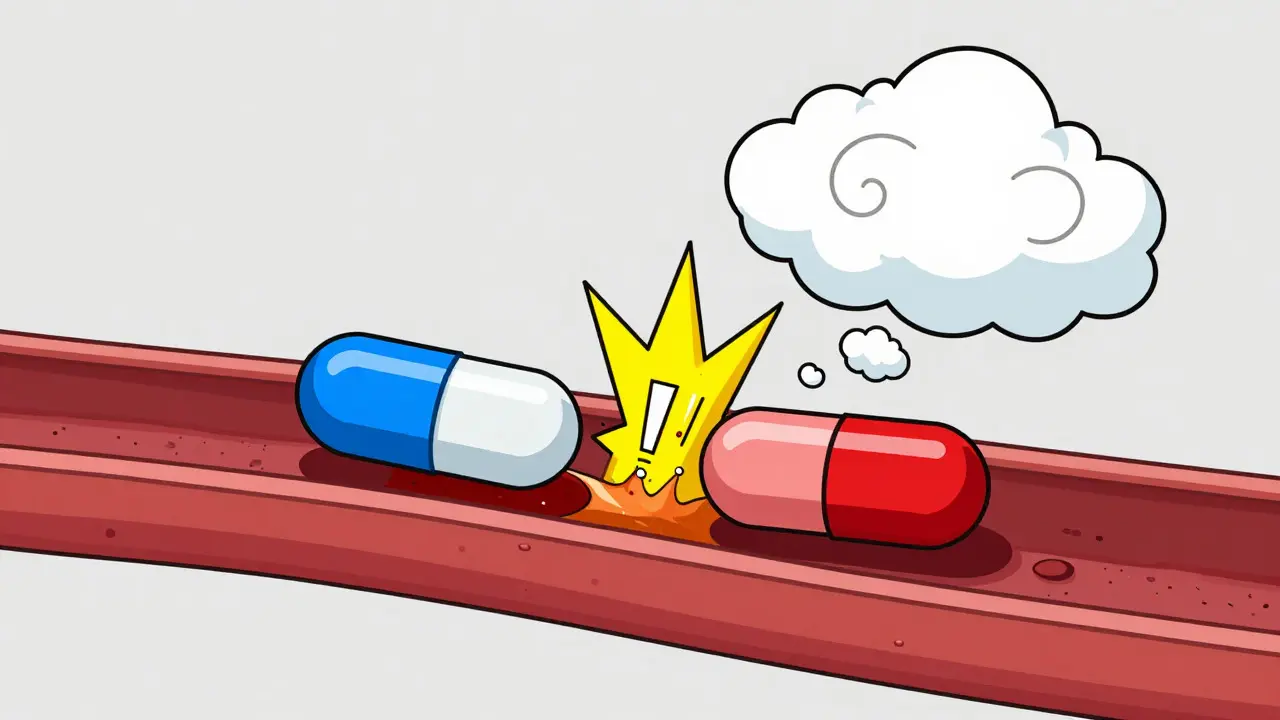
You take your morning blood pressure pill. Then you grab a statin for your cholesterol. Later, you pop an antibiotic for a sinus infection. It seems harmless enough, right? But inside your body, these chemicals are not just coexisting; they are interacting. Sometimes they help each other work better. More often, they get in each other’s way, creating a chemical traffic jam that can lead to dangerous side effects or render your treatment useless.
These events are called drug-drug interactions, and they are one of the most common causes of hospital admissions among older adults. Understanding how they work isn't just academic trivia; it is a matter of personal safety. When two drugs mix, they don't just add up. They change each other's behavior in ways that can be subtle or severe. To keep yourself safe, you need to know the mechanics behind the curtain.
The Two Main Ways Drugs Clash
Not all interactions happen the same way. Scientists categorize them into two broad buckets based on what is actually changing in your body. The first type is pharmacokinetic interactions. This sounds complex, but it simply means one drug changes how much of the other drug gets into your system. It affects absorption, distribution, metabolism, or excretion. If Drug A stops your liver from breaking down Drug B, Drug B builds up in your blood. You effectively get an overdose without taking extra pills.
The second type is pharmacodynamic interactions. Here, the amount of drug in your blood stays the same, but the effect changes. One drug might amplify the action of another at the cellular level, or they might fight against each other. For example, if you take a sedative and an antihistamine together, both slow down your central nervous system. The result isn't just twice the drowsiness; it could be dangerous respiratory depression. Conversely, if you take a stimulant with a depressant, they might cancel each other out, leaving you untreated.
Metabolism: The Liver's Busy Factory
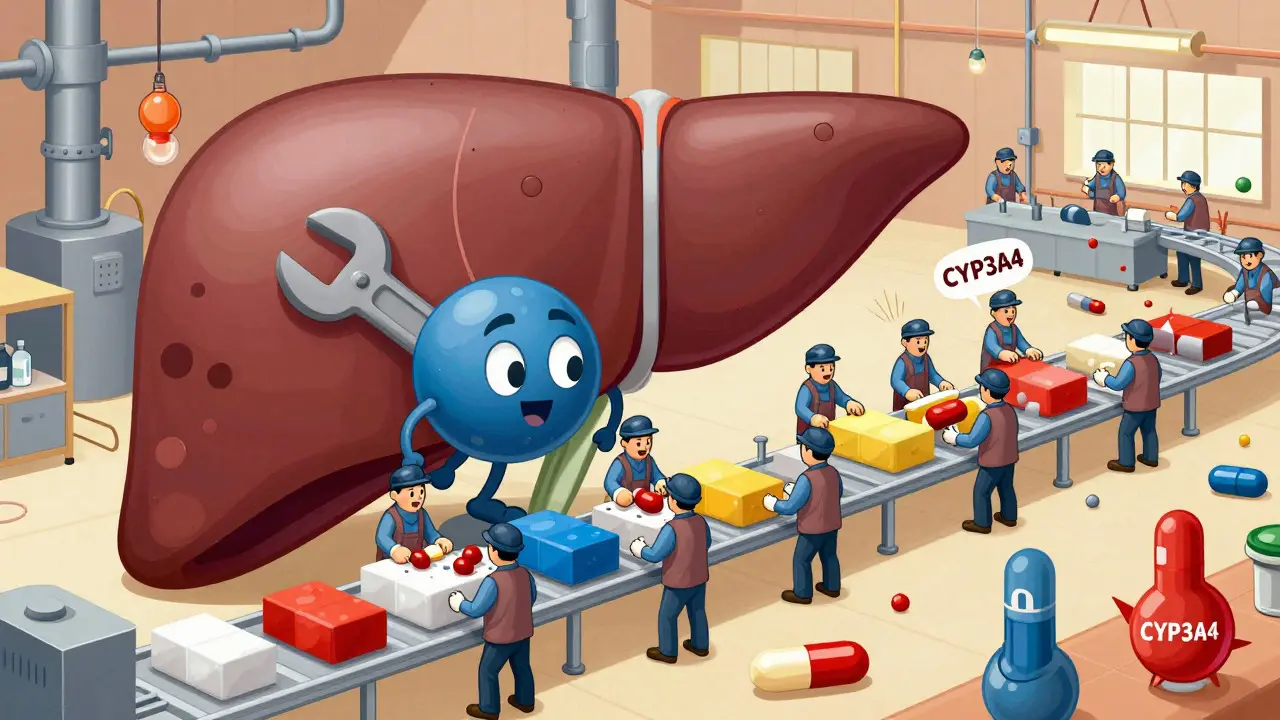
Most pharmacokinetic interactions happen in the liver, specifically involving a family of enzymes known as cytochrome P450 (CYP). These enzymes act like factory workers, breaking down medications so your body can eliminate them. About 70-80% of all drugs are processed by this system. The most important worker in this crew is CYP3A4, which handles roughly half of all clinically used medications.
Problems arise when a new drug enters the factory floor. Some drugs are inhibitors; they tie up the enzyme workers, stopping them from doing their job. If you take ketoconazole (an antifungal) while on simvastatin (a cholesterol drug), the ketoconazole blocks the CYP3A4 enzyme. The simvastatin isn't broken down. Its levels in your blood can skyrocket by 10 to 20 times. This dramatically increases your risk of rhabdomyolysis, a condition where muscle tissue breaks down and can damage your kidneys.
Other drugs are inducers. They tell the liver to hire more workers, speeding up the breakdown process. St. John’s Wort, a popular herbal supplement for mood, is a potent inducer. If you take it with cyclosporine (an immunosuppressant), your liver clears the cyclosporine too fast. The drug levels drop by 50-60%, potentially leading to organ rejection in transplant patients. Whether the drug builds up or disappears too quickly, the outcome is the same: loss of control over your therapy.
Beyond the Liver: Transporters and Binding
While the liver gets the most attention, other parts of your body play a role too. Your intestines and kidneys use transport proteins to move drugs in and out of cells. One key player is P-glycoprotein (P-gp). Think of P-gp as a bouncer at a club, pushing certain drugs back out into your gut before they enter your bloodstream. If you take verapamil (a heart medication), it inhibits this bouncer. Suddenly, digoxin (another heart drug) rushes in unchecked. Digoxin levels can rise by 50-100%, putting you at risk for life-threatening heart rhythm disturbances.
Another mechanism involves protein binding. Many drugs travel through your blood attached to proteins like albumin. Only the "free" drug that is floating unattached can do its job. If you introduce a new drug that binds tightly to those same proteins, it can knock the first drug off. Warfarin, a blood thinner, is highly bound to proteins. If you take phenylbutazone (an anti-inflammatory), it displaces warfarin, causing a sudden spike in free warfarin in your blood. This was one of the first documented drug interactions, reported in 1956, and it remains a classic example of why mixing medications requires caution.
Real-World Risks: What Happens When Things Go Wrong?
The consequences of these mechanisms vary widely. Some interactions cause mild discomfort, like increased drowsiness or dry mouth. Others are silent killers. Consider the combination of fluoroquinolones (antibiotics like ciprofloxacin) and macrolides (like erythromycin). Both can prolong the QT interval, a measure of your heart's electrical cycle. When taken together, they increase the risk of torsades de pointes, a fatal arrhythmia, by nearly six times compared to taking either drug alone.
For older adults, the stakes are even higher. The Beers Criteria, a guideline updated by the American Geriatrics Society, lists dozens of high-risk combinations for seniors. Combining NSAIDs (like ibuprofen) with anticoagulants (like warfarin) increases bleeding risk by 3 to 5 times. Given that drug interactions account for 3-5% of hospital admissions in people over 65, this is a significant public health issue. The economic burden is staggering too, costing the US healthcare system approximately $1.3 billion annually in direct medical costs.
| Drug Combination | Mechanism | Potential Consequence |
|---|---|---|
| Ketoconazole + Simvastatin | CYP3A4 Inhibition | Rhabdomyolysis (muscle breakdown) |
| St. John’s Wort + Cyclosporine | CYP3A4 Induction | Organ rejection due to low drug levels |
| Verapamil + Digoxin | P-gp Inhibition | Toxicity and heart arrhythmias |
| NSAIDs + Warfarin | Pharmacodynamic Synergy | Severe gastrointestinal bleeding |
| Fluoroquinolones + Macrolides | QT Prolongation | Fatal cardiac arrhythmia |
Why Alerts Fail and How to Stay Safe
You might think electronic health records solve this problem. Doctors get alerts when they prescribe conflicting drugs. But here is the catch: these systems are noisy. Studies show that 80-90% of DDI alerts are false positives or clinically irrelevant. This leads to "alert fatigue," where doctors override nearly half of all warnings, sometimes missing the critical ones. Technology helps, but it isn't a silver bullet.
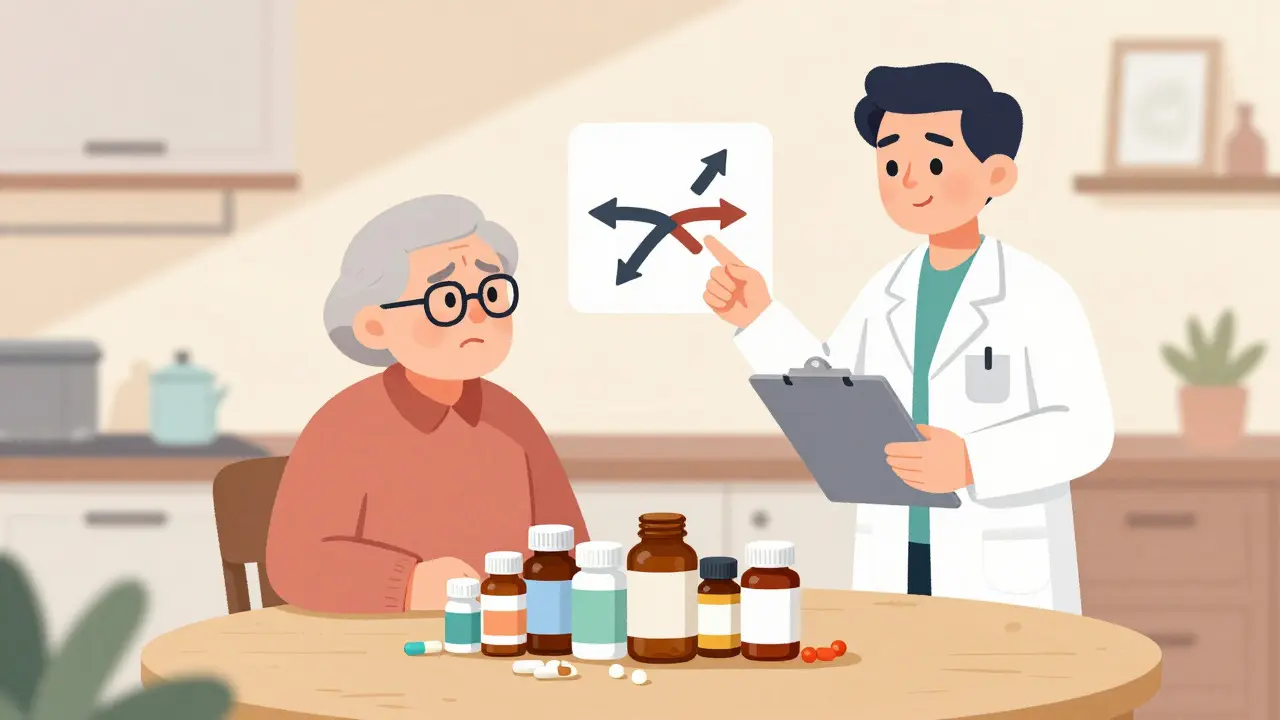
The best defense is proactive management. Start with a complete medication list. This includes prescription drugs, over-the-counter medicines, vitamins, and herbal supplements. Bring this list to every appointment. Ask your pharmacist to review it. Pharmacists are trained specifically in drug interactions, and studies show their interventions reduce clinically significant DDIs by 37%. Don't be afraid to ask, "Could this new medicine interact with what I'm already taking?"
If you are on multiple medications, especially for chronic conditions, consider therapeutic drug monitoring (TDM). For drugs like warfarin, regular blood tests (INR checks) ensure your dosage remains safe despite other factors. Also, be aware of genetic factors. Variations in genes like CYP2D6 mean some people metabolize drugs faster or slower than others. If you are a "poor metabolizer," you are naturally more prone to toxicity, making interactions even more dangerous.
The Future of Personalized Medicine
We are moving toward a future where drug interactions are predicted before they happen. Artificial intelligence models are being trained on millions of patient records to identify hidden interaction patterns with greater accuracy than traditional rule-based systems. Pharmacogenomics is also advancing, allowing doctors to tailor prescriptions based on your DNA. Guidelines from groups like the Clinical Pharmacogenetics Implementation Consortium now include specific advice on avoiding certain drugs if your genetics make you vulnerable to interactions.
Until then, knowledge is your best tool. Understand that "natural" doesn't mean "safe." Herbal supplements can induce or inhibit enzymes just like pharmaceuticals. Take medications at different times if advised, and never change doses without consulting a professional. Your body is a complex chemical environment; respect the balance, and keep open lines of communication with your healthcare team.
What is the difference between pharmacokinetic and pharmacodynamic interactions?
Pharmacokinetic interactions change how much of a drug is in your body by affecting absorption, metabolism, or excretion. Pharmacodynamic interactions change what the drug does to your body, such as amplifying or opposing its effects, without necessarily changing its concentration in the blood.
Can herbal supplements cause drug interactions?
Yes. Supplements like St. John’s Wort are potent enzyme inducers and can significantly reduce the effectiveness of many prescription drugs, including birth control and immunosuppressants. Always disclose supplement use to your doctor.
Why do older adults face higher risks from drug interactions?
Older adults often take multiple medications (polypharmacy) and have reduced liver and kidney function, which slows drug clearance. This makes them more susceptible to both the buildup of toxic levels and the effects of pharmacodynamic synergies.
How can I prevent dangerous drug interactions?
Maintain an updated list of all medications and supplements, share it with every healthcare provider, consult a pharmacist for reviews, and ask specifically about potential interactions when starting new treatments.
What is the role of cytochrome P450 enzymes in drug interactions?
Cytochrome P450 enzymes, particularly CYP3A4, metabolize most drugs. Other drugs can inhibit (block) or induce (speed up) these enzymes, leading to dangerously high or low levels of the affected medication in the bloodstream.