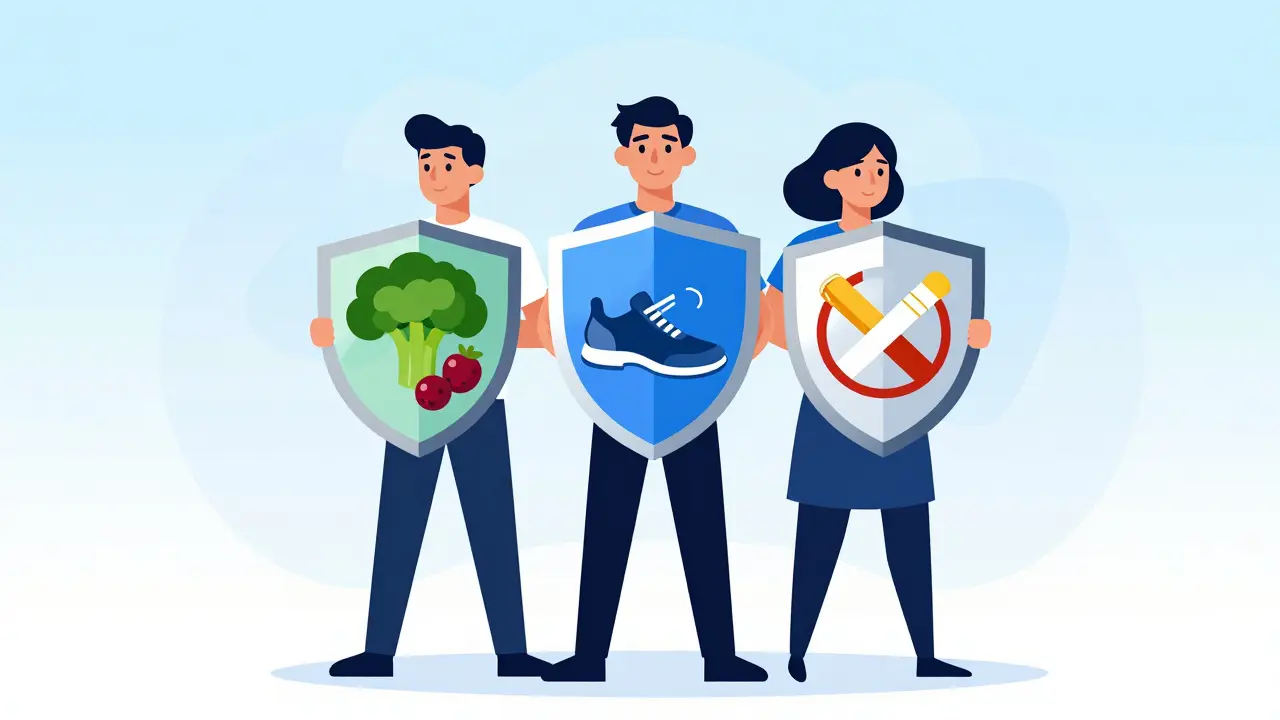
You don't have to wait for a diagnosis to start protecting your health. In fact, the most powerful tools against cancer are already in your hands-your daily choices about food, movement, and habits. According to the World Health Organization (WHO), between 30% and 40% of all cancer cases are preventable through specific lifestyle adjustments. That’s not a vague hope; it’s a statistical reality backed by decades of research. While we can’t control our genetics or every environmental exposure, we can significantly influence our risk profile.
This isn't about living in fear or following extreme diets. It’s about understanding which levers actually move the needle on your health. From avoiding tobacco to managing body weight, each choice compounds over time. Let’s look at the evidence-based strategies that truly work, separating myth from medical fact.
The Non-Negotiables: Tobacco and Weight Management
If you only take one thing away from this guide, let it be this: avoid tobacco in any form. Tobacco use is the single largest preventable cause of cancer worldwide. Cancer Research UK reports that smoking causes approximately 78% of lung cancer cases and contributes to 15-20% of all cancer deaths globally. The damage isn't limited to lungs; it affects the bladder, throat, mouth, and more. Quitting at any age reduces risk, but starting early offers the greatest protection.
Next comes weight management, a factor often underestimated in cancer care. Excess body fat acts as an endocrine organ, producing hormones like estrogen and insulin that can fuel tumor growth. The American Institute for Cancer Research (AICR) found that for every 5-unit increase in Body Mass Index (BMI) above 25, the risk for postmenopausal breast cancer rises by 12%, kidney cancer by 10%, and colorectal cancer by 8%. You don’t need to reach a "perfect" weight to see benefits. Dr. Cynthia Thomson from the University of Arizona notes that even a modest 5-10% weight loss can reduce tumor-promoting inflammation by 25-30% within six months.
- Target BMI: Aim for a range of 18.5-24.9.
- Waist Circumference: Keep it under 35 inches for women and 40 inches for men to lower visceral fat risks.
- Gradual Loss: Focus on sustainable changes rather than crash diets, which often lead to regain.
Moving Your Body: Exercise as Medicine
Sitting is the new smoking, and when it comes to cancer, there’s truth to that. Physical activity regulates hormones, boosts immune function, and helps maintain a healthy weight. The current gold standard recommendation is 150 minutes of moderate-intensity exercise (like brisk walking at 3-4 mph) or 75 minutes of vigorous activity (like running at 6+ mph) per week.
Why does this matter? A 2023 analysis by the Mayo Clinic showed that meeting these guidelines reduces colon cancer risk by 24% and breast cancer risk by 12-20% compared to sedentary lifestyles. You don’t need a gym membership. Gardening, dancing, or taking the stairs counts. The key is consistency. UCLA Medical Center surveyed 1,200 patients and found that while 68% struggled with consistent activity due to time constraints, those who paired tracking with social support saw adherence jump by 40%.
If you’re busy, try the "snack-sized" approach. Three 10-minute walks after meals can be just as effective as one 30-minute session for blood sugar regulation and overall metabolic health.
Fueling Defense: Diet and Alcohol Limits
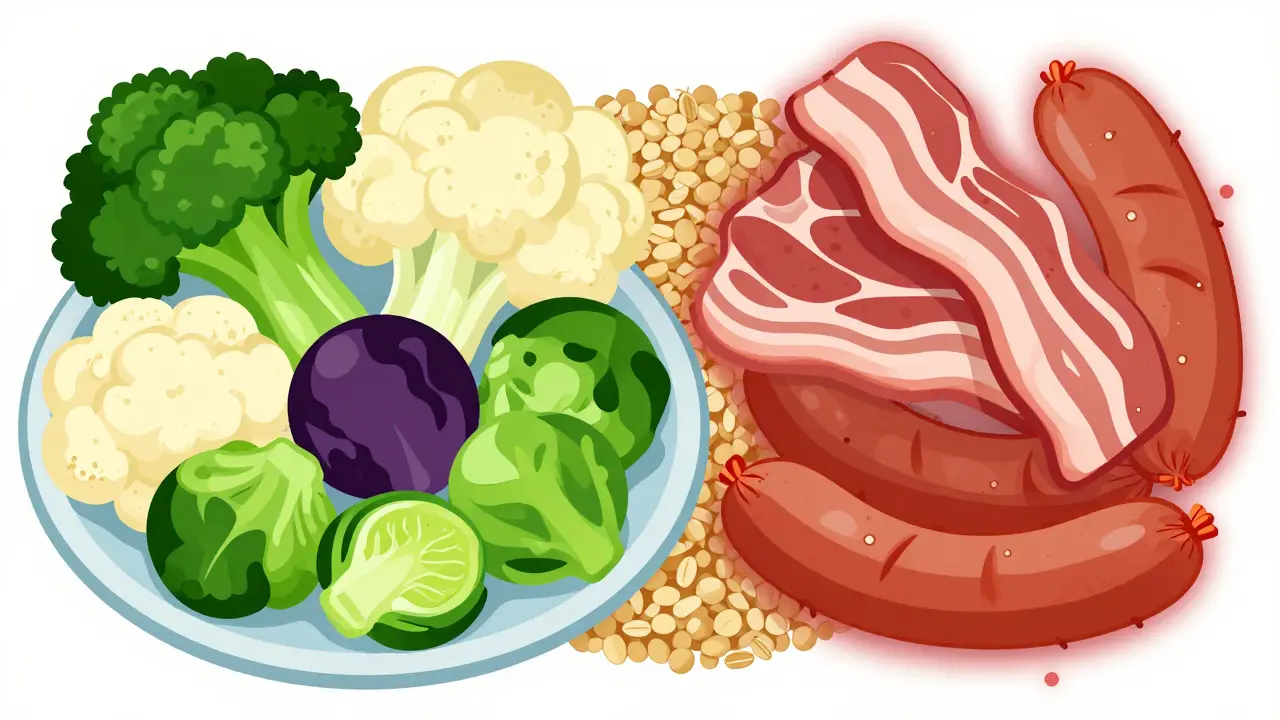
Your plate is a primary defense system. The American Cancer Society (ACS) recommends filling half your plate with vegetables and fruits. Specifically, aim for 2.5-3 cups of vegetables and 1.5-2 cups of fruit daily. Cruciferous vegetables like broccoli, cauliflower, and Brussels sprouts contain sulforaphane, a compound linked to a 15-20% lower risk of prostate cancer according to a 2024 meta-analysis by UC Davis Health.
Processed meats, however, are a different story. The International Agency for Research on Cancer (IARC) classifies processed meats (bacon, sausages, deli meats) as Group 1 carcinogens. The World Cancer Research Fund (WCRF) advises avoiding them entirely. If you do consume them, keep it minimal-under 18 ounces per week is the ACS limit, but less is always better.
Alcohol is another critical variable. There is no safe level of alcohol consumption for cancer prevention, but limits help manage risk. Stick to maximum two standard drinks (28g ethanol) daily for men and one (14g) for women. Each additional daily drink increases breast cancer risk by 7-12% and esophageal cancer by 20-30%, per Cancer Research UK. If you don’t drink, don’t start.
| Factor | Recommendation | Risk Reduction Potential |
|---|---|---|
| Physical Activity | 150 mins moderate/week | 24% lower colon cancer risk |
| Weight Management | BMI 18.5-24.9 | 12% lower breast cancer risk per 5 BMI units |
| Vegetable Intake | 2.5-3 cups/day | 15-20% lower prostate cancer risk (cruciferous) |
| Alcohol Limit | Max 1 drink/day (women) | Avoids 7-12% increased breast cancer risk |
Chemoprevention: When Medication Helps
Lifestyle changes are the foundation, but for some high-risk individuals, medication plays a role. This is known as chemoprevention, which is the use of natural or synthetic substances to reduce cancer risk. It’s not for everyone and requires careful discussion with an oncologist or primary care provider.
Common examples include:
- Aspirin: Low-dose aspirin may reduce colorectal cancer risk, particularly in older adults. However, it carries bleeding risks, so it’s only recommended for specific high-risk groups.
- Anti-estrogens: Drugs like tamoxifen or raloxifene can significantly reduce breast cancer risk in women with genetic mutations (BRCA1/2) or strong family history.
- Vitamin D: Some studies suggest adequate Vitamin D levels support immune surveillance, though supplementation alone isn’t a guaranteed shield.
Never self-prescribe chemopreventive agents. The balance between benefit and side effect must be managed by a professional who understands your personal medical history.
Sun Safety and Environmental Awareness
Skin cancer is highly preventable. Melanoma risk drops by 50% if you consistently use SPF 30+ broad-spectrum sunscreen, applied every two hours, especially during peak UV hours (10 a.m. to 4 p.m.). Wear protective clothing and seek shade. It’s simple, yet many people still burn regularly.
Beyond sun, be aware of indoor air quality. Radon gas, the second leading cause of lung cancer, is invisible and odorless. Test your home, especially if you live in areas with high radon potential. Similarly, minimize exposure to asbestos and industrial chemicals if your job involves them.
Overcoming Barriers: Making It Stick
Knowing what to do is easy; doing it is hard. Only 31% of adults meet physical activity guidelines, and just 12% eat enough vegetables, according to the CDC. Why? Time, cost, and habit inertia.
The American Cancer Society’s "3-2-1" framework simplifies this: 30 minutes of activity daily, 2+ vegetable servings at lunch/dinner, and 1 hour less screen time. Programs focusing on single-behavior changes show 78% retention at 12 months, compared to just 32% for multi-factor overhauls. Start small. Add one serving of veggies to dinner tonight. Take a 10-minute walk tomorrow. Consistency beats intensity.
Employer wellness programs are growing, with 68% of Fortune 500 companies offering cancer prevention resources. If your workplace has these, use them. Social support increases adherence by 40%, as seen in UC Davis Health’s "Cultivating Health" initiative.
The Future of Precision Prevention
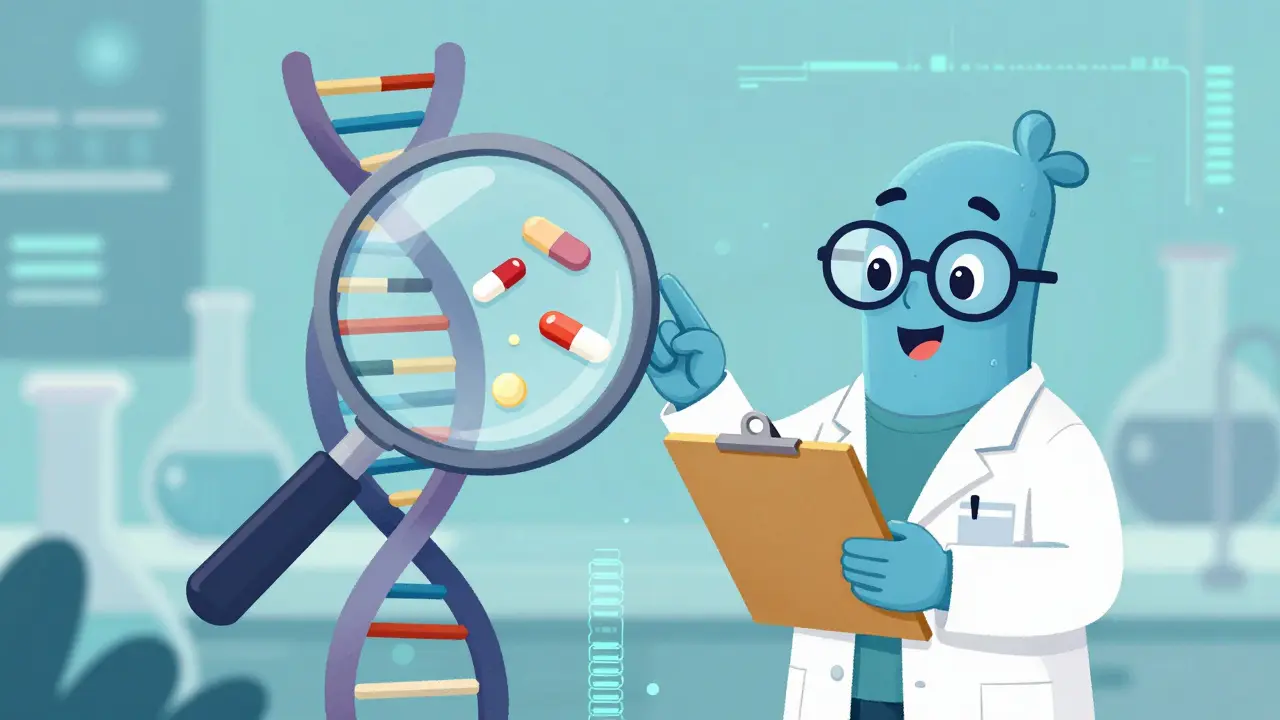
We’re moving toward personalized prevention. The NIH’s 2024-2028 Strategic Plan allocates $287 million for lifestyle intervention research, including digital health tools. The NCI-MATCH trial sub-study is exploring whether genetic profiling can tailor dietary advice. By late 2026, we expect clearer data on how individual genetics interact with lifestyle factors.
For now, the core principles remain unchanged. Eat well, move often, avoid toxins, and get screened. These aren’t just suggestions; they’re your best defense.
Can lifestyle changes really prevent cancer?
Yes. The WHO states that 30-40% of cancer cases are preventable through lifestyle modifications like avoiding tobacco, maintaining a healthy weight, exercising regularly, eating a plant-rich diet, limiting alcohol, and protecting skin from UV radiation.
What is chemoprevention?
Chemoprevention involves using medications or supplements to reduce cancer risk in high-risk individuals. Examples include low-dose aspirin for colorectal cancer or anti-estrogen drugs for breast cancer. It requires medical supervision due to potential side effects.
How much exercise is needed for cancer prevention?
The standard recommendation is 150 minutes of moderate-intensity exercise (like brisk walking) or 75 minutes of vigorous activity (like running) per week. This can reduce colon cancer risk by 24% and breast cancer risk by 12-20%.
Is processed meat really that dangerous?
Yes. The IARC classifies processed meats as Group 1 carcinogens. The WCRF recommends avoiding them entirely, while the ACS suggests limiting intake to under 18 ounces per week. Reducing consumption lowers colorectal cancer risk.
Does losing weight help if I'm already overweight?
Absolutely. Even a 5-10% weight loss can significantly reduce inflammation and hormone levels linked to cancer. Aiming for a BMI between 18.5 and 24.9 is ideal, but any progress toward a healthier weight offers benefits.
How does alcohol affect cancer risk?
Alcohol increases risk for several cancers, including breast and esophageal cancer. Each additional daily drink raises breast cancer risk by 7-12%. Limits are max two drinks daily for men and one for women, but abstaining is safest.
What are the best vegetables for cancer prevention?
Cruciferous vegetables like broccoli, cauliflower, and Brussels sprouts are particularly beneficial. They contain compounds like sulforaphane linked to a 15-20% lower risk of prostate cancer. Aim for 2.5-3 cups of vegetables daily.
Is sun protection enough to prevent skin cancer?
Consistent use of SPF 30+ broad-spectrum sunscreen, reapplied every two hours, can reduce melanoma risk by 50%. Combine this with protective clothing and avoiding peak UV hours (10 a.m.-4 p.m.) for best results.