Aplastic Anemia Risk & Action Guide
Symptom Checker
Self-AssessmentSelect any symptoms you are currently experiencing that cannot be explained by common conditions.
Assessment Result
Select symptoms and click Analyze to see your risk level and recommended actions.
Monitoring Required
Your symptoms do not strongly indicate aplastic anemia, but vigilance is key if you are on high-risk meds.
Recommended Actions:
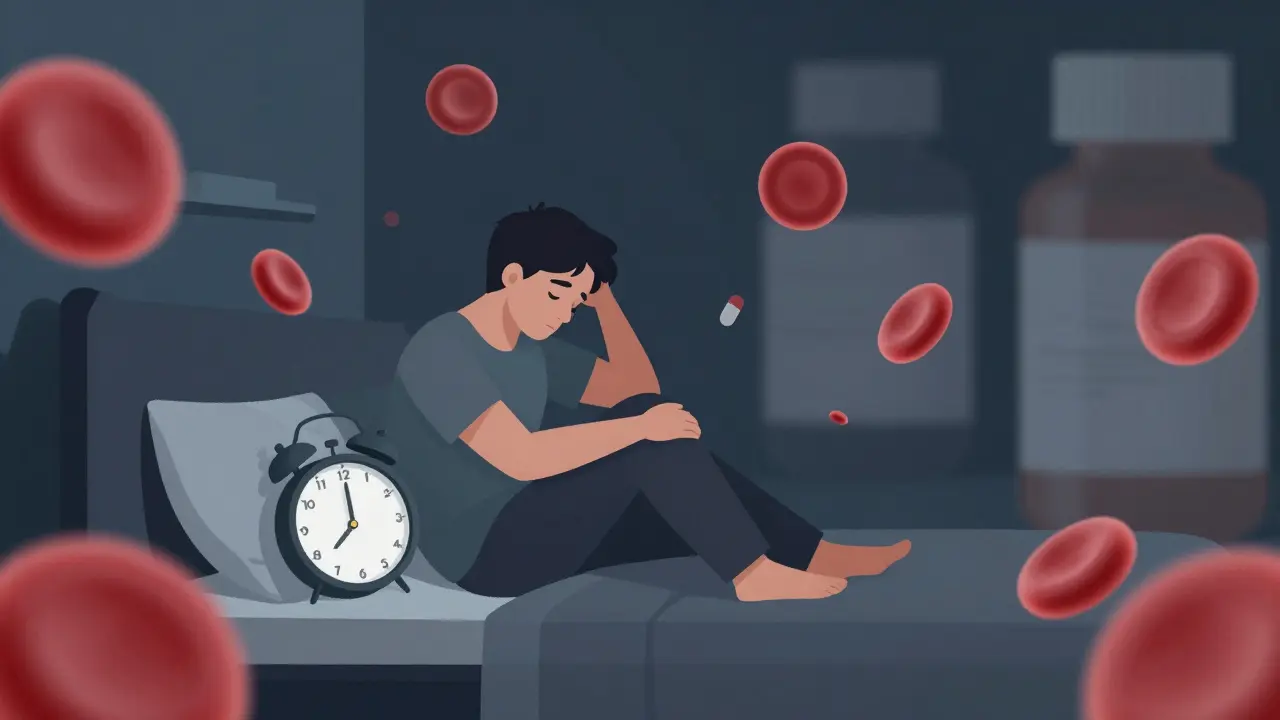
Imagine feeling exhausted after a full night's sleep. You brush it off as stress or a lingering cold. But what if that fatigue is actually your body sounding an alarm? For a small but significant number of people, certain common medications can trigger aplastic anemia, a rare condition where the bone marrow stops producing enough blood cells. This isn't just about feeling tired; it’s a medical emergency that requires immediate recognition and action. If you are taking specific high-risk drugs, knowing the early warning signs could save your life.
What Is Medication-Induced Aplastic Anemia?
To understand the danger, you first need to know what is happening inside your body. Your bone marrow acts like a factory, constantly churning out three vital types of blood cells: red blood cells (which carry oxygen), white blood cells (which fight infection), and platelets (which help blood clot). In medication-induced aplastic anemia, certain pharmaceuticals damage the hematopoietic stem cells-the raw materials in that factory. When these cells are destroyed or suppressed, production grinds to a halt. This leads to pancytopenia, a dangerous drop in all three cell lines simultaneously.
This condition accounts for roughly 5% to 10% of all acquired aplastic anemia cases. While most cases have no known cause (idiopathic), the medication-related ones are particularly critical because they are often preventable if caught early. The history of this condition dates back to the 1950s when researchers linked the antibiotic chloramphenicol to bone marrow failure. Today, we know many more drugs carry this risk, though the mechanism varies. Some drugs cause direct, dose-dependent toxicity, while others trigger an immune response where your own body attacks its bone marrow.
The High-Risk Medications You Should Know
Not every pill poses this threat, but several classes of medications are well-documented culprits. Being aware of these helps you monitor your health more closely if you are prescribed them.
- Antibiotics: Chloramphenicol carries the highest known risk, increasing the chance of aplastic anemia by 30 to 60 times compared to non-users. It is rarely used now due to this risk, but sulfonamides and some penicillin derivatives also appear on watch lists.
- Anticonvulsants: Drugs like carbamazepine (used for seizures and nerve pain) and phenytoin are significant risk factors. Carbamazepine increases the risk approximately 15-fold.
- Rheumatoid Arthritis Treatments: Gold compounds, once common for arthritis, are notorious for causing bone marrow suppression.
- NSAIDs and Antipsychotics: Certain nonsteroidal anti-inflammatory drugs and specific antipsychotic medications have been linked to cases, though the risk is lower than with antibiotics or anticonvulsants.
It is important to distinguish between predictable bone marrow suppression (common with chemotherapy) and true aplastic anemia. Chemotherapy suppresses marrow temporarily, but true aplastic anemia involves persistent failure to recover even after the drug is stopped. Only about 1% to 2% of patients on standard chemotherapy regimens develop this persistent form.
| Medication Class | Specific Examples | Relative Risk Increase | Mechanism |
|---|---|---|---|
| Antibiotics | Chloramphenicol | 30-60x higher | Dose-dependent toxicity / Immune-mediated |
| Anticonvulsants | Carbamazepine | ~15x higher | Immune-mediated destruction via hapten formation |
| Arthritis Drugs | Gold Compounds | Elevated | Direct marrow toxicity |
| NSAIDs | Certain Proprietary Blends | Low but present | Idiosyncratic reaction |

Early Signs: What Your Body Is Trying to Tell You
The tricky part about medication-induced aplastic anemia is that the early symptoms mimic common ailments like the flu or extreme stress. Many patients dismiss these signs for weeks, which delays diagnosis. According to patient surveys, nearly 70% of individuals felt "just run down" before seeking care. Here is what you need to look for beyond normal tiredness.
Fatigue That Won't Quit
If rest doesn't help, pay attention. Persistent, unrelieved fatigue is often the first sign of low red blood cells (anemia). Unlike normal tiredness, this feels heavy and draining, making simple tasks like climbing stairs feel exhausting.
Unexplained Bruising and Bleeding
Low platelet counts mean your blood cannot clot properly. Watch for easy bruising without any trauma. A critical red flag is multiple bruises appearing simultaneously or bleeding gums when brushing teeth. Nosebleeds that are hard to stop are another warning sign.
Frequent or Prolonged Infections
With low white blood cells (neutropenia), your immune system is compromised. You might notice recurrent low-grade fevers (between 99°F and 101°F) or minor infections that take much longer to heal than usual. Unexplained weight loss of 5-10 pounds over a few weeks can also accompany this phase.
Laboratory abnormalities often precede these physical symptoms by 1 to 3 weeks. This means your blood counts may be dropping before you feel significantly sick, highlighting the importance of monitoring if you are on high-risk meds.
Urgent Actions: What to Do Right Now
If you suspect your medication is causing these symptoms, time is critical. Delaying diagnosis can drastically reduce survival rates. Experts note that mortality drops below 10% when treated within two weeks of symptom onset, but rises to 45% if diagnosis is delayed beyond eight weeks. Follow these steps immediately.
- Stop the Suspected Medication: Do not wait for your next scheduled appointment. Contact your prescribing doctor immediately to discuss stopping the drug. In 85% of mild cases, blood counts begin to improve within four weeks of cessation. However, do not restart the medication under any circumstances; doing so carries a 90% risk of a more severe relapse.
- Seek Immediate Medical Evaluation: Go to an urgent care clinic or emergency room if you have active bleeding, difficulty breathing, or a fever above 100.4°F (38°C). A fever in the context of suspected bone marrow failure is a medical emergency requiring evaluation within one hour.
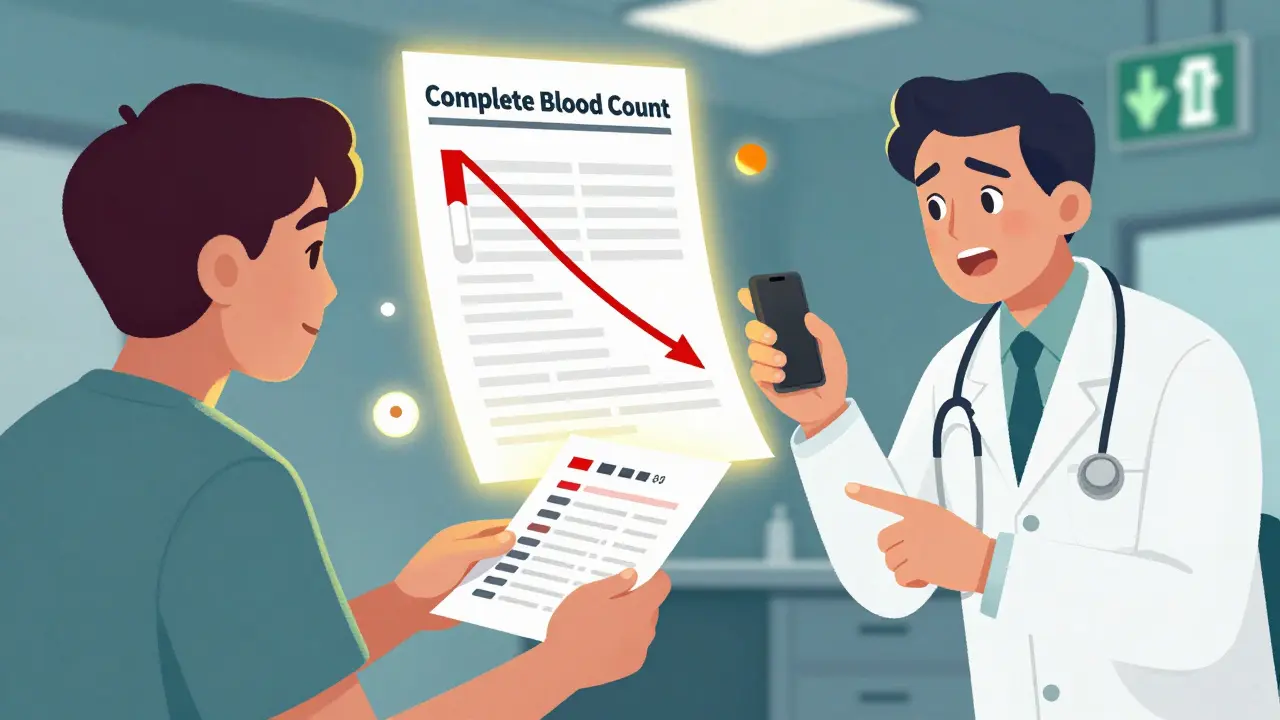
- Request a Complete Blood Count (CBC): Ask for a CBC test within 24 hours. Diagnostic criteria for concern include hemoglobin below 10 g/dL, absolute neutrophil count below 1,500/μL, and platelets below 150,000/μL.
- Prepare for Specialist Referral: If your platelets drop below 50,000/μL, you need a hematologist. If they fall below 10,000/μL, you likely need transfusions. Neutrophils below 500/μL require hospitalization for infection prophylaxis.
Diagnosis and Treatment Pathways
Once you seek help, the diagnostic process moves quickly. A bone marrow biopsy remains the gold standard. Doctors look for hypocellularity-meaning less than 25% of the marrow space contains blood-forming cells. About 70% of medication-induced cases are classified as severe aplastic anemia.
Treatment depends on severity. For many medication-induced cases, simply removing the offending drug allows the marrow to recover. However, if the damage is severe, treatments may include immunosuppressive therapy using horse anti-thymocyte globulin plus cyclosporine, which has shown a 78% response rate in recent registry data. In extreme cases, bone marrow transplantation may be necessary. The cost of treatment varies widely, from $50,000 for mild cases to over $500,000 for transplants, underscoring the value of early detection.
Prevention and Monitoring Strategies
You can take proactive steps to protect yourself if you must take high-risk medications. The Mayo Clinic recommends baseline CBC testing before starting drugs like carbamazepine or gold compounds, followed by weekly monitoring for the first month. Electronic health record alerts are becoming more common to warn doctors of these risks, reducing diagnostic delays by over 11 days in some studies.
Keep a detailed record of all medications and supplements you take. Share this list with every healthcare provider. If you experience any of the early signs mentioned above, mention your medication history explicitly. Pharmacists are often the first line of defense; don't hesitate to ask them if your new prescription has known bone marrow risks.
How long does it take for medication-induced aplastic anemia to develop?
Onset typically occurs within weeks to months after exposure to the causative agent. Laboratory abnormalities often appear 1 to 3 weeks before significant clinical symptoms emerge. Rapid progression can see blood counts decline by 30-50% within 2 to 4 weeks of exposure.
Can aplastic anemia caused by medication be cured?
Yes, especially if caught early. In 85% of mild cases, discontinuing the medication leads to hematological improvement within 4 weeks. With modern treatment protocols, including immunosuppressive therapy or transplant for severe cases, 5-year survival rates exceed 85%.
Is it safe to restart the medication if my blood counts recover?
No. Restarting a suspected causative medication after initial recovery carries a 90% risk of a more severe relapse. The American Society of Clinical Oncology specifically warns against re-exposure to the offending agent.
What are the diagnostic criteria for severe aplastic anemia?
Severe aplastic anemia is diagnosed when at least two of the following criteria are met: reticulocyte count less than 40,000/μL, absolute neutrophil count less than 500/μL, or platelet count less than 20,000/μL, along with hypocellular bone marrow.
Which blood tests should I request if I suspect this condition?
You should request a Complete Blood Count (CBC) with differential. This test measures hemoglobin, white blood cell count (including neutrophils), and platelet levels. If these are low, a bone marrow biopsy will likely be needed for confirmation.