MAOI Tyramine Risk Calculator
Select Foods Consumed
Click on the foods you have eaten recently to add them to your calculation.
Blue Cheese
Very HighParmesan
Very HighPepperoni
HighAged Cheddar
HighSalami
Mod-HighSmoked Bacon
ModerateCream Cheese
SafeFresh Meat
SafeCalculate Your Intake
No foods selected yet.
Analysis Result
Total Estimated Tyramine: 0 mcg
Based on average values of selected foods.
Potential Symptoms if Reaction Occurs:
- Severe occipital headache (back of head)
- Rapid or irregular heartbeat (palpitations)
- Nausea, vomiting, and cold sweats
- Sensitivity to light (photophobia)
- Neck stiffness
Note: This tool is for educational purposes only and does not replace professional medical advice.
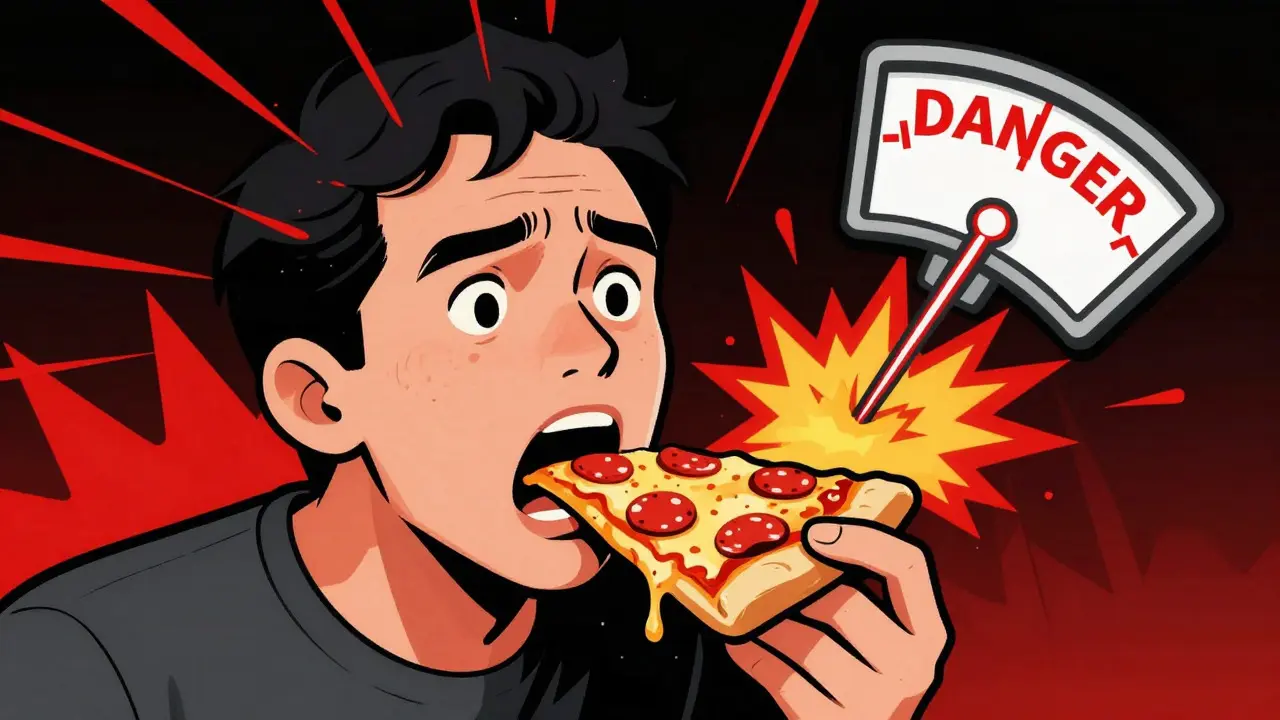
Imagine biting into a slice of sharp cheddar or a pepperoni pizza, only to have your blood pressure skyrocket to dangerous levels within minutes. For most people, this is just a delicious meal. But for the roughly 1.4 million Americans taking Monoamine Oxidase Inhibitors (MAOIs), which are a class of prescription medications used primarily for treatment-resistant depression and Parkinson's disease, that same bite can trigger a life-threatening medical emergency known as a hypertensive crisis.
This isn't an exaggeration. It is a well-documented pharmacological reality rooted in how our bodies process certain naturally occurring compounds found in aged foods. The core culprit here is tyramine, a naturally occurring monoamine compound formed during the aging and fermentation of proteins. When you take MAOI drugs like phenelzine (Nardil) or tranylcypromine (Parnate), these medications block the enzyme responsible for breaking down tyramine in your digestive system. Without that enzymatic cleanup crew, tyramine accumulates rapidly, forcing your body to release massive amounts of stored norepinephrine. The result? A sudden, severe spike in blood pressure that can reach 180/120 mmHg or higher, potentially leading to stroke or heart failure if not treated immediately.
The Science Behind the "Cheese Effect"
To understand why specific foods are off-limits, we need to look at the chemistry. Tyramine gets its name from the Greek word *tyros*, meaning cheese, because it was first isolated from aged dairy products. As bacteria break down proteins during the aging process of cheese and cured meats, they convert the amino acid tyrosine into tyramine. The older the product, the more time bacteria have to work, and the higher the tyramine content becomes.
In a healthy person, monoamine oxidase enzymes in the gut and liver quickly neutralize ingested tyramine before it enters the bloodstream in significant quantities. However, MAOI medications inhibit these enzymes to help increase levels of neurotransmitters like serotonin and dopamine in the brain. This therapeutic mechanism inadvertently leaves the digestive tract vulnerable. According to research published in the NIH PMC database (PMC2738414), an oral dose of just 6 mg of tyramine can begin to elevate blood pressure in sensitive individuals, while doses between 10 and 25 mg typically provoke a full-blown hypertensive crisis. Dr. Daniel K. Cho, a pharmacologist at Mayo Clinic, notes that systolic blood pressure can increase by 50-100 mmHg within 30 minutes of consuming high-tyramine foods while on these drugs.
High-Risk Foods: What to Avoid
Not all cheeses and meats are created equal when it comes to tyramine content. The risk depends heavily on processing methods, aging time, and storage conditions. Here is a breakdown of the danger zones based on data from the Mayo Clinic’s 2023 dietary guidelines and the NSW Agency for Clinical Innovation’s 2021 specifications.
| Food Item | Tyramine Range (mcg/g) | Risk Level |
|---|---|---|
| Blue Cheeses (Stilton, Gorgonzola) | 1,000 - 3,500 | Very High |
| Parmesan Cheese | 610 - 1,400 | Very High |
| Aged Cheddar (over 6 months) | 72 - 953 | High |
| Swiss Cheese | 400 - 1,200 | High |
| Feta Cheese (brined) | 350 - 800 | High |
| Dry Summer Sausages | 300 - 900 | High |
| Pepperoni | 200 - 600 | High |
| Salami | 150 - 500 | Moderate-High |
| Bacon (smoked/cured) | 75 - 250 | Moderate |
| Bologna | 50 - 200 | Moderate |
Notice the dramatic difference between aged and fresh products. While blue cheese can contain up to 3,500 micrograms of tyramine per gram, fresh cheeses made from pasteurized milk pose minimal risk. Cottage cheese contains less than 30 mcg/g, ricotta less than 40 mcg/g, and cream cheese less than 20 mcg/g. Similarly, freshly prepared meats contain negligible tyramine levels (below 10 mcg/g), whereas dry-cured varieties like salami and pepperoni are packed with it due to the fermentation and drying processes.
Safe Alternatives and Dietary Substitutions
Living on an MAOI doesn’t mean giving up flavor entirely; it means swapping ingredients strategically. The key is choosing fresh over aged, and freshly cooked over cured.
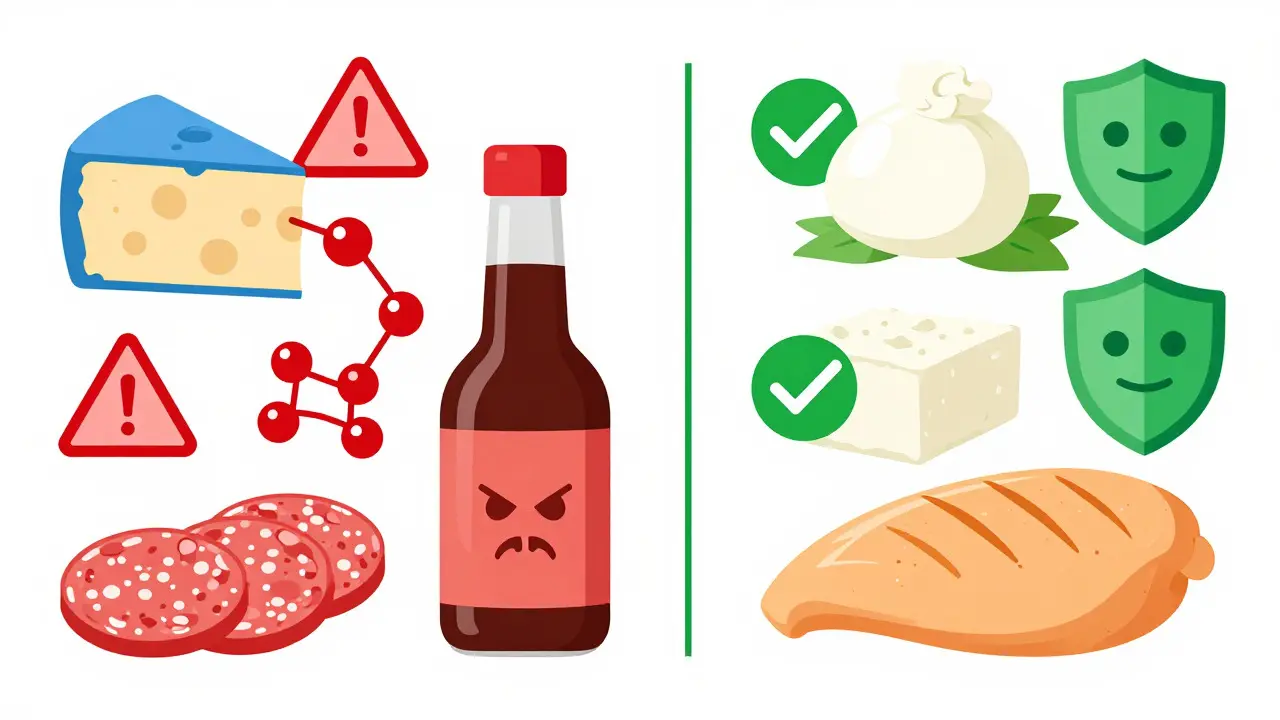
- Cheese Swaps: Replace aged cheddar or Parmesan with fresh mozzarella, cottage cheese, ricotta, or cream cheese. These options provide calcium and protein without the tyramine spike. Companies like Sargento have even introduced "MAOI-safe" refrigerated fresh mozzarella cups specifically marketed to medication users.
- Meat Swaps: Ditch the pepperoni and salami sandwiches. Opt for freshly roasted turkey, chicken breast, or lean beef. If you crave the texture of deli meat, choose freshly sliced, non-cured options and consume them immediately after purchase, as tyramine levels rise as meat sits in the fridge.
- Sauce Awareness: Fermented sauces are hidden traps. Soy sauce, miso, and fish sauce contain extremely high levels of tyramine (up to 3,000 mcg/g). Use fresh herbs, lemon juice, vinegar, or low-sodium broth for seasoning instead.
It is also crucial to monitor storage times. Even safe foods can develop tyramine if left out too long. Leftover cooked meats should be eaten within 24 hours, and any food that has been sitting in the refrigerator for several days should be scrutinized carefully. The NSW Agency for Clinical Innovation recommends that patients maintain a strict two-to-three-week diet continuation period after stopping MAOI medication, as enzyme activity takes 14-21 days to fully recover.
Recognizing Symptoms and Emergency Response
If you accidentally consume a high-tyramine food, time is critical. Symptoms of a tyramine-induced hypertensive crisis typically appear within 15 to 30 minutes. According to user reports aggregated by GoodRx and clinical data from Johns Hopkins University, the most common signs include:
- Severe occipital headache: Often described as a pounding pain at the back of the head, reported in 92% of cases.
- Palpitations: A rapid, irregular, or forceful heartbeat felt in the chest or neck.
- Nausea and vomiting: Accompanied by cold sweats and flushing of the skin.
- Photophobia: Sensitivity to light, often accompanying the intense headache.
- Neck stiffness: Due to extreme vascular constriction.
If you experience these symptoms after eating aged cheese or processed meats, check your blood pressure immediately if possible. If it reads above 180/120 mmHg, seek emergency medical attention right away. Do not wait for symptoms to pass. Bring your medication list to the hospital so doctors know you are on an MAOI. Treatment usually involves fast-acting antihypertensive medications administered intravenously to lower blood pressure safely.

Practical Tips for Long-Term Management
Adhering to a tyramine-restricted diet can feel isolating, especially in social settings. About 41% of MAOI users report difficulty maintaining the diet due to limited restaurant options and the challenge of navigating family meals. Here are some practical strategies to stay safe and socially connected:
- Carry an Emergency Card: Keep a small card in your wallet explaining your dietary restrictions. This helps bartenders, servers, and hosts understand why you are skipping the cheese board or charcuterie platter.
- Use Technology: Apps like the Mayo Clinic’s "MAOI Diet Tracker" allow you to scan barcodes to identify high-tyramine foods. Beta testing showed 89% accuracy in flagging risky cheese products, making grocery shopping much safer.
- Read Labels Carefully: Look for keywords like "aged," "cured," "fermented," "smoked," or "ripened." These terms indicate higher tyramine potential. Stick to products labeled "fresh" or "pasteurized."">
- Monitor Blood Pressure Daily: The American Heart Association recommends home blood pressure monitoring at least twice daily during MAOI therapy. Tracking your readings helps you identify personal tolerance thresholds and catch early signs of a reaction.
- Consult a Dietitian: Working with a healthcare professional who understands drug-food interactions can reduce the learning curve from 4-6 weeks to just 2-3 weeks. They can help you create a sustainable meal plan that meets your nutritional needs without triggering crises.
Remember, individual sensitivity varies. One person might tolerate a small amount of aged cheddar, while another reacts to a single bite. There is no universal "safe" portion size for high-risk foods. When in doubt, leave it out. The goal is to manage your condition effectively while minimizing the risk of a preventable emergency.
The Future of MAOI Safety
While the interaction between MAOIs and tyramine remains a serious concern, advancements in technology and medicine are improving patient safety. Pharmaceutical companies now include detailed dietary guidelines in 92% of MAOI prescriptions, and regulatory bodies like the FDA and European Medicines Agency have mandated clearer warnings on packaging. Researchers are also exploring innovative solutions, such as genetically modified cheeses with reduced tyramine content and enzyme supplements that could help metabolize tyramine in the gut. Although these developments are still in early stages, they offer hope for easier management in the coming years.
Until then, vigilance is your best defense. By understanding the science, knowing your triggers, and having a solid emergency plan, you can navigate life on MAOIs with confidence and safety.
How long does it take for a tyramine reaction to occur?
Symptoms typically appear within 15 to 30 minutes after consuming high-tyramine foods. In rare cases, it may take up to an hour, but most reactions are rapid and intense.
Are bananas safe to eat with MAOIs?
Yes, ripe bananas are generally considered safe. They contain very low levels of tyramine (less than 10 mcg/g). However, avoid banana peels or fermented banana products, as tyramine levels increase significantly during fermentation.
Can I drink alcohol while taking MAOIs?
Alcohol consumption requires caution. Beer, red wine, and sherry contain high levels of tyramine due to fermentation and aging. Clear spirits like vodka or gin are lower in tyramine but can still interact with MAOIs to cause dizziness or blood pressure changes. Always consult your doctor before drinking.
What should I do if I forget my emergency card?
If you are dining out and forget your card, clearly communicate your restrictions to the server. Ask for dishes that feature fresh, unaged ingredients. Avoid anything described as "cured," "aged," or "fermented." When unsure, stick to plain grilled meats and fresh vegetables.
How long must I follow the tyramine-restricted diet after stopping MAOIs?
You should continue the restricted diet for at least two to three weeks after discontinuing MAOI medication. This allows time for your body’s monoamine oxidase enzyme levels to return to normal and resume breaking down tyramine effectively.